

Grow Zone 3 Planting Guide: What to Plant and When
Published On: Oct 7, 2026
Share:
| In this Article | |||
|---|---|---|---|
Grow Zone 3 gardening is not for plants that need pampering. This is cold-country gardening, where winter lows can reach −40°F, spring can arrive late, and the growing season asks you to make every week count.
But don't let that scare you away from planting a beautiful garden.
Some of the toughest, most dependable landscape plants are right at home in Zone 3. Spruces, sugar maples, lilacs, panicle hydrangeas, red twig dogwood, peonies, coneflowers, and native prairie grasses can all thrive when you choose the right varieties and plant them with the season in mind.

The key is simple: plant for the climate you have, not the climate you wish you had.
In Zone 3, success comes from choosing plants with reliable cold hardiness, giving them enough time to establish, protecting roots with good soil and mulch, and paying close attention to winter exposure. Do those things well, and a Zone 3 garden can be just as colorful, layered, and rewarding as gardens in warmer regions.
What Is USDA Grow Zone 3?
Grow Zone 3, also called USDA Hardiness Zone 3, is one of the coldest planting zones in the lower 48 states. It covers areas where the average coldest winter night falls between −40°F and −30°F.
For gardeners, the hardiness zone tells you one very important thing: whether a perennial plant is likely to survive the average coldest winter temperatures in your area. It's based on the 2023 USDA Plant Hardiness Zone Map, and you can read more about how the map works in our guide to planting zones.
Zone 3 doesn't tell the whole story, but it's a very good starting point. Sun exposure, wind, snow cover, drainage, soil type, and microclimates all matter too. A protected bed near the house may behave differently from an open, windy property line. A low, wet spot may cause more winter damage than a raised, well-drained bed.
That's why Zone 3 gardeners need to think about both hardiness and placement.
Zone 3a and Zone 3b
Zone 3 is divided into two half-zones. Zone 3a is the colder half, with average winter lows of −40°F to −35°F. Zone 3b runs from −35°F to −30°F.
That five-degree difference matters when you're choosing trees, shrubs, and perennials. A plant rated to Zone 3 is a safer choice than one rated only to Zone 4, especially in an exposed location or in Zone 3a.
Woodie's rule: when in doubt, choose the hardier plant. In cold climates, reliable beats risky.
Where Is Grow Zone 3?
On the 2023 map, Zone 3 is a much smaller area than it used to be. The update moved a lot of former Zone 3 ground into Zone 4. The University of Minnesota Extension notes that parts of the state shifted from 3b to 4a, and the Twin Cities now sit in Zone 5a.
In the states we ship to, Zone 3 is mostly northern Minnesota: the Iron Range, the Bemidji and International Falls areas, Lake of the Woods country, and much of the inland Arrowhead. Small pockets also remain in the far north woods of Maine and along the northernmost fringe of Wisconsin.
Zone 3 also covers much of northern North Dakota and northeastern Montana, but we don't currently ship plants to North Dakota, South Dakota, or Montana. You can see where we deliver on our How We Ship Plants page.
Zone lines don't follow county or city limits, so the fastest way to know for sure is to look up your zone by zip code. If your address comes back as Zone 4a, our Zone 3 plants are still a safe bet, with a little extra margin built in.
The Real Challenges of Zone 3 Gardening
Zone 3 gardens face a few real challenges, but none of them are impossible to work around.
- Deep winter cold. Plants need strong root systems and true hardiness to survive nights well below zero.
- A short growing season. There's less time between spring thaw and fall frost, so planting at the right time matters more than anywhere else in the country.
- Winter wind. Cold, dry wind pulls moisture out of evergreen foliage and damages exposed plants.
- Freeze-thaw cycles. Soil that freezes, thaws, and refreezes can heave young perennials out of the ground and stress shallow roots.
- Plants that aren't hardy enough. A plant that looks beautiful online but is only hardy to Zone 5 is not a good long-term choice in Zone 3.
The good news is that once you understand these challenges, you can garden around them.
The Zone 3 Planting Calendar
In Zone 3, timing is everything. The growing season is short, so plants need enough time to root before the next hard winter.
Spring: The Best Planting Season in Zone 3
Spring is the safest planting season in Zone 3, especially for trees, shrubs, evergreens, and anything that needs a full growing season to establish. In a typical year that window opens from mid-May into June, once the ground has thawed and dried enough to work.

Avoid planting into cold, waterlogged soil. Roots need oxygen as much as they need moisture.
Spring planting gives container-grown trees, shrubs, and perennials the longest possible runway before winter returns. This is especially helpful for evergreens and for larger landscape plantings.
Summer Planting in Zone 3
Summer planting can work in Zone 3 if you water carefully. Container-grown plants can go in during the growing season, but they need consistent moisture while they establish.
Avoid planting during extreme heat or drought. If you must plant in summer, plant in the morning or evening, water deeply, and mulch well.
Summer is also a good time to observe the garden. You can see where shade falls, where soil dries quickly, where water collects, and where you need more color or structure.
Early Fall: A Short Window
Fall planting can succeed in Zone 3, but the window is much shorter than in warmer zones. Roots need time to establish before the ground freezes.
A good rule of thumb is to have evergreens in the ground by late August and most other trees, shrubs, and perennials planted by early to mid-September. Evergreens need the earliest start because they keep losing moisture through their foliage all winter.
If you're unsure whether it's too late, save the more sensitive plants and the evergreens for spring, and use early fall for very hardy perennials and deciduous shrubs. Our guide to planting trees and shrubs in fall covers the method in more detail.
Choosing Trees for Zone 3
Cold-hardy trees give Zone 3 landscapes shade, structure, wildlife value, and long-term beauty. Choose trees that are rated for your zone and that mature at a size that fits your space.
Spruces and pines are the backbone of northern landscapes. Black Hills Spruce is about as cold-tough as a landscape tree gets. Colorado Blue Spruce and its selections, like Baby Blue and Fat Albert, bring silver-blue color. Norway Spruce grows fast enough to make a real windbreak, and Eastern White Pine adds soft texture.
Maples give Zone 3 its fall color. Autumn Blaze Maple is fast-growing with dependable orange-red color, and Sugar Maple is the classic long-lived shade tree of the North Woods.
For a large shade tree in heavier or wetter soil, Swamp White Oak is hardy to Zone 3 and handles conditions that many oaks won't. Serviceberry is one of the best small native trees for the North, with white spring flowers, summer berries, and good fall color; Standing Ovation Serviceberry is a narrow, upright form. Paper birch, American linden, mountain ash, Amur maackia, balsam fir, and hardy flowering crabapples are other good Zone 3 trees to look for locally.
When planting trees in Zone 3, location matters. Keep sensitive trees out of the full force of winter wind. Give trees enough room to mature, and avoid planting under power lines or too close to driveways, sidewalks, foundations, or septic areas.
A tree planted properly in Zone 3 can become the backbone of the landscape for decades. Browse our full collection of Zone 3 trees.
Flowering Shrubs for Zone 3
Shrubs are some of the most useful plants in cold-climate gardens. They provide flowers, foliage, berries, privacy, foundation structure, and winter interest.
Hydrangeas: choose the right kind. Panicle and smooth hydrangeas are hardy to Zone 3 and bloom on new wood, so a hard winter can't take away the summer flowers. Good choices include Limelight, Bobo, Little Lime, Quick Fire Fab, and Vanilla Strawberry among the panicles, and Incrediball and Invincibelle Spirit II among the smooth types. Bigleaf hydrangeas, the blue and pink mopheads, are a different story. They're generally rated hardy only to Zone 6, so they aren't a dependable Zone 3 shrub.
Lilacs are made for cold winters. Miss Kim Lilac is compact and fragrant. Sensation Lilac has striking purple-and-white flowers, and Bloomerang Dark Purple reblooms after its main spring flush.
Ninebark, spirea, and viburnum are tough, reliable shrubs that handle Zone 3 with ease. Ninebark gives you dark foliage color with Summer Wine or the compact Tiny Wine. Double Play Red Spirea adds summer flowers, and native viburnums like Blue Muffin, Arrowwood, and Blackhaw give you spring flowers, fall color, and berries for birds.
Native and berry-producing shrubs earn their place in a northern garden. Red twig dogwood, including the straight species and the compact Arctic Fire, gives you bright red stems against the snow. Winter Red Winterberry holds scarlet berries into winter. Like all winterberry, it needs a male plant nearby to set fruit, so check the product page for its matching pollinator. Johns and Adams Elderberry, American Witch Hazel, and Northern Bayberry round out a native planting. For a tough shrub rose, Rugosa Rose shrugs off cold that would kill a hybrid tea.
A note on forsythia and weigela: most forsythia sold in nurseries loses its flower buds in a Zone 3 winter even when the shrub survives, and standard weigela is generally rated to Zone 4. If you want them, look locally for cultivars bred specifically for northern bud hardiness, and plant them in a sheltered spot.
For the best results, choose shrubs rated for Zone 3 or colder. Shrubs listed for Zone 4 may struggle in exposed Zone 3 locations unless you plant them in a protected microclimate. Shop our full collection of Zone 3 shrubs.
Evergreens Provide the Framework
Evergreens are especially valuable in Zone 3 because they keep the garden from looking empty during the long months it spends under snow. They provide color, wind protection, privacy, and structure after deciduous plants drop their leaves.
Arborvitae are dependable in the North when you pick the hardy Thuja occidentalis types. Emerald Green, Nigra, and DeGroot's Spire make upright screens. For foundation beds, globe forms like Mr. Bowling Ball, Danica, Little Giant, Hetz Midget, and the golden Rheingold stay compact. See all of our arborvitae trees.
Junipers handle wind, cold, and poor soil. Blue Rug and Blue Chip are low groundcovers for slopes and bed edges, and Grey Owl is a wider, silvery shrub. Eastern Red Cedar is a tough native upright juniper for windbreaks.
Dwarf conifers give small spaces year-round form: Dwarf Globe Blue Spruce, Dwarf Alberta Spruce, and Siberian Cypress, a spreading evergreen groundcover that takes shade and bronzes in winter.
Yews can work in Zone 3, but choose carefully. Native Canada yew is very cold hardy, while the common landscape hybrid yews are generally rated only to Zone 4. Broadleaf evergreens such as boxwood and rhododendron are a gamble here and belong only in the most protected spots.
Evergreens need special care going into winter. Water them deeply in fall before the ground freezes, especially if rainfall has been low. Because they keep their foliage through winter, they can lose moisture even when the soil is frozen. More on that in the winter protection section below.
Perennials for Zone 3
Perennials are the heart of a Zone 3 garden. They come back year after year, and many of the best cold-hardy perennials are tough, colorful, and pollinator-friendly.
For sun: coneflowers like Magnus and Pow Wow Wild Berry, Goldsturm Black-Eyed Susan, daylilies like Stella de Oro and Happy Returns, Walker's Low Catmint, Zagreb Coreopsis, Moonshine Yarrow, Kobold Liatris, and Autumn Joy Sedum.
Peonies deserve their own mention. Northern winters give peonies the deep chill they need to bloom well, and a planting can outlive the gardener who put it in. Sarah Bernhardt is the classic pink double. See all of our peonies.
For shade: hostas are some of the hardiest perennials you can plant, from the giant Sum and Substance and the blue-green Frances Williams to the tiny Blue Mouse Ears. Pair them with bleeding heart, ostrich fern, and native red columbine.
For wet spots: Blue Flag Iris, Cardinal Flower, and Golden Ragwort all handle moist soil. Siberian iris, like Caesar's Brother, is one of the toughest perennials in the North and handles both wet and average soil.
Skip or test carefully: hellebores, perennial salvia, and astilbe are commonly sold as cold-hardy, but they're generally rated to Zone 4. They may come through a mild winter in a protected, snow-covered bed, but they aren't a sure thing in Zone 3.
When planting perennials in Zone 3, give them time to establish before winter. Water well through the first growing season, mulch lightly after the soil cools, and avoid plants that are only marginally hardy. Shop all Zone 3 perennials.
Ornamental Grasses and Pollinator Plants for Zone 3
Native Prairie Grasses
Ornamental grasses bring movement, winter interest, and low-maintenance texture to cold-climate gardens. The prairie natives are the safest choice in Zone 3 because they evolved with these winters. Standing Ovation Little Bluestem, Prairie Dropseed, and Blackhawks Big Bluestem are all excellent. In shade, Pennsylvania Sedge makes a fine-textured native groundcover.
Blue fescue and northern sea oats show up on a lot of cold-climate lists, but both are commonly rated only to Zone 4 or 5. Stick with the prairie grasses for exposed Zone 3 beds.
Grasses work well in sunny borders, native gardens, slopes, foundation beds, and winter-interest plantings. Leave them standing through winter to catch snow, feed birds, and add texture, then cut them back in late winter or early spring before new growth begins. Browse more ornamental grasses.
Pollinator Plants for a Short Season
A cold-climate garden can still be full of life. Pollinator plants matter even more in a short season because bees, butterflies, and other beneficial insects have only a few months to find reliable flowers.
Good Zone 3 pollinator plants include coneflowers, Wild Bergamot, black-eyed Susans, yarrow, catmint, Swamp Milkweed, asters like October Skies, goldenrod, liatris, and columbine. Flowering shrubs like serviceberry, viburnum, and elderberry feed pollinators in spring and birds later in the year.
Plant for a long bloom season. Include early spring flowers, summer bloomers, and late-season asters and goldenrod so pollinators have something available from the start of the season to the end. Shop our pollinator garden perennials and native plants.
Woodie's Picks for Zone 3
If I were starting a Zone 3 garden from scratch, these are the six plants I'd build around. Every one of them is rated hardy to Zone 3 or colder.
Black Hills Spruce

Black Hills Spruce is a dense, slow-growing form of white spruce native to the northern plains, rated hardy to Zone 2. It holds its shape without shearing and makes a windbreak that stands up to the kind of winter Zone 3 actually gets. If you plant one evergreen, plant this one.
Autumn Blaze Maple
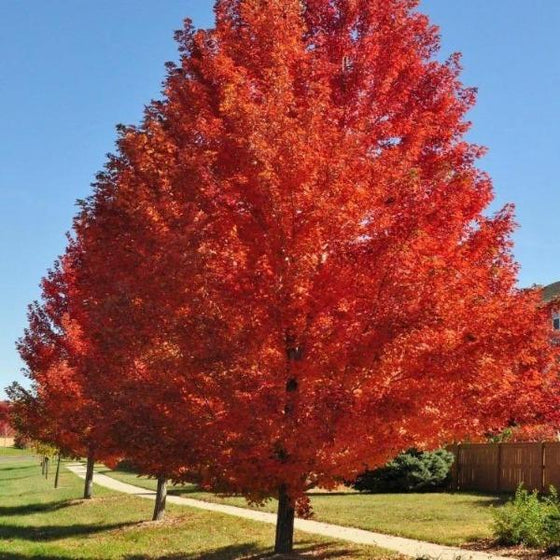
Autumn Blaze is a cross between red maple and silver maple. It's hardy to Zone 3, grows fast enough to give you real shade in a short-season climate, and turns a dependable orange-red every fall. It needs room: give it space well away from the house, the driveway, and overhead lines.
Miss Kim Lilac

Miss Kim blooms a little later than common lilac, which in the North often means it misses the last spring frost. It's compact, very fragrant, resists powdery mildew better than most lilacs, and turns burgundy in fall. It's a lilac that fits a foundation bed.
Bobo Hydrangea
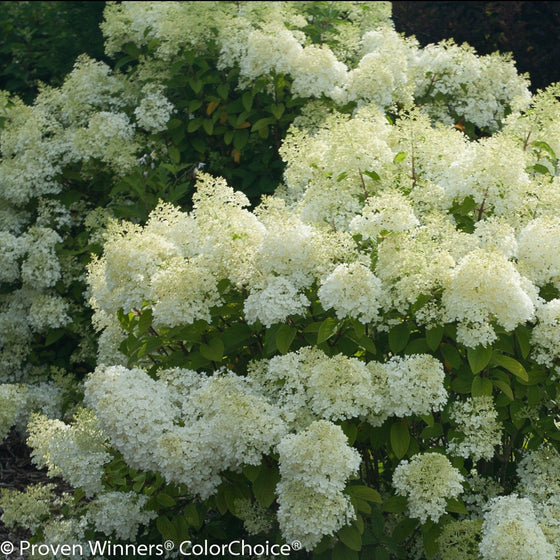
Bobo is a dwarf panicle hydrangea, about three feet tall, rated hardy to Zone 3. Because it blooms on new wood, a brutal winter can't take its flowers. It covers itself in white blooms in summer that age to pink in fall. This is the hydrangea I'd point a Zone 3 gardener to first.
Arctic Fire Red Twig Dogwood

Red twig dogwood is native across the North and hardy to Zone 2. Arctic Fire is a compact selection with especially bright red stems. In a place where the garden spends months under snow, a shrub that looks its best in January is worth a lot. It also handles wet soil that most shrubs won't.
Standing Ovation Little Bluestem
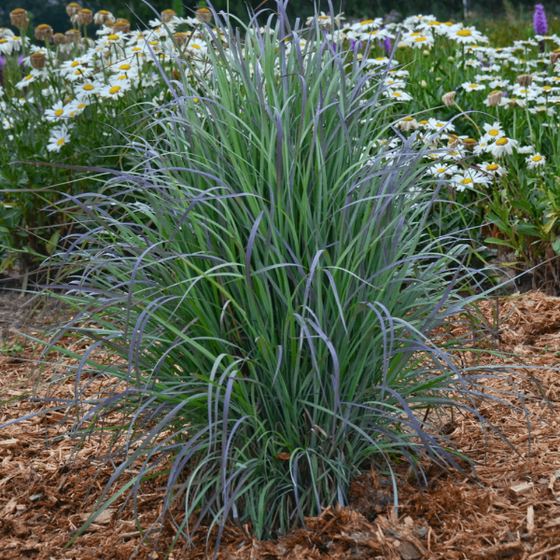
Little bluestem is a native prairie grass that evolved with northern winters. Standing Ovation stays upright instead of flopping. It's blue-green in summer and turns copper, orange, and red in fall, then holds that color through the snow. It's drought-tolerant once established and needs almost nothing from you.
Winter, Wind, and Snow in Zone 3
The best winter protection starts with choosing hardy plants. After that, placement, watering, and mulch do most of the work.
Site Selection and Microclimates
In Zone 3, where you plant can matter as much as what you plant. A plant in a protected spot may survive better than the same plant exposed to winter wind. Pay attention to the microclimates around your property:
- South-facing beds warm earlier in spring.
- North-facing beds stay colder longer.
- Low spots collect frost and water.
- Windy areas dry out evergreens.
- Areas near buildings may be slightly warmer.
- Raised beds drain faster but freeze harder.
- Beds that hold snow protect roots better.
Use these differences to your advantage. Put the toughest plants in exposed areas and the slightly more sensitive ones in protected locations.
Snow Cover Is Insulation
A steady blanket of snow is one of the best things that can happen to a Zone 3 garden. It insulates roots and crowns from the deepest cold. Beds that get blown bare, like slopes, corners, and spots beside driveways that get cleared, are the places where marginal plants fail. Don't pile salty plow snow on garden beds, but clean snow shoveled onto perennial beds is a gift.
Winter Wind and Evergreens
Cold, dry wind and bright late-winter sun pull moisture out of evergreen foliage while the roots sit in frozen soil and can't replace it. The result is winter burn, browning that often doesn't show up until spring.

The most important defense is a deep watering in fall before the ground freezes. After that, a burlap screen set on stakes on the windward side helps young or exposed evergreens. Leave the top open so heavy snow can't sag onto the branches. An anti-desiccant spray like Wilt-Pruf can be an optional extra for exposed evergreens, but extension results on these products are mixed, so don't count on a spray to replace fall watering.
Tree Guards and Animal Damage
Rabbits and voles do a lot of their damage in winter, often right at snow level. Tree guards help protect young trunks from rabbits, rodents, and sunscald. Avoid wrapping plants too tightly. Plants still need air movement, and the goal is protection, not suffocation.
Winter Mulch for Perennials
For perennials, wait until the ground begins to freeze before adding winter mulch. Mulching too early keeps the soil warm and invites rodents to nest. A light layer added after the soil cools helps reduce frost heaving.
Planting, Watering, and Mulch in Zone 3
Soil Preparation
Cold-hardy plants still need good soil. In Zone 3 the growing season is short, so plants benefit from soil that supports strong root growth right away.
Before planting, check drainage. Many plants struggle in soil that stays wet too long, especially going into winter. Wet roots and freezing soil are a hard combination.
Improve garden beds with compost when needed, but don't create a rich little pocket inside a single planting hole. Tree and shrub roots need to move out into the surrounding native soil. If your soil is heavy clay, either choose plants that tolerate clay or improve the whole planting area, not just the hole.
Planting Container-Grown Plants
Water the plant before planting. Dig a hole about twice as wide as the root ball and no deeper. Set the plant so the top of the root ball sits level with, or slightly above, the surrounding soil. For trees and shrubs, make sure the root flare is not buried. Planting too deep is one of the most common reasons woody plants struggle.
Loosen circling roots if the plant is root-bound. Backfill with soil, firm gently, and water deeply. If you use a planting starter like Woodie's Root Booster, apply it at planting time according to the label. For perennials, plant at the same depth they were growing in the container. Our full guide on how to plant trees, shrubs, and perennials the right way walks through each step.
Watering New Plants
New plants need water, even in cool climates. The first growing season matters most, because the roots are still limited to the original root ball and the soil right around it.
Water deeply rather than sprinkling lightly. Deep watering encourages roots to grow down and out. Check soil moisture a few inches below the surface. If it's dry, water. If it's soggy, wait. Roots need both moisture and oxygen. A plant that wilts or yellows in its first weeks may simply be adjusting; here's how to tell transplant shock from a real problem.
Evergreens need special attention in fall. Water them deeply before the ground freezes, especially during a dry autumn. Don't assume snow will solve everything. Snow insulates, but plants still need good moisture before the soil freezes.
Mulching
Mulch is one of the most useful tools a Zone 3 gardener has. It conserves moisture, reduces weeds, moderates soil temperature, and protects roots from freeze-thaw cycles.
Apply a 2- to 3-inch layer of organic mulch around trees, shrubs, and perennials. Keep it pulled back from trunks, stems, and crowns. Don't pile mulch like a volcano around trees. It should be wide and shallow, not stacked against the bark.
A Simple Zone 3 Landscape Design
A strong Zone 3 garden starts with structure. Flowers are wonderful, but in a place where the garden spends months under snow, it also needs bones. Build it in this order:
- Start with trees and evergreens. Place spruces, pines, and shade trees first. They give the landscape height, shade, privacy, wind protection, and winter form.
- Add shrubs for color and wildlife. Use flowering shrubs like lilacs and panicle hydrangeas for spring and summer color, berrying shrubs like winterberry and viburnum for birds, and evergreen shrubs for year-round structure.
- Layer in perennials and grasses. Fill the beds with hardy perennials and native prairie grasses for bloom, texture, movement, and seasonal change.
- Plan for winter interest. Include red twig dogwood, winterberry, standing grasses, and conifers so the garden still has color and form against the snow.
- Finish with bulbs, annuals, and containers. Add spring bulbs and seasonal containers for extra color during the short growing season.
If you build the garden in layers, it will look good in every season.
The Biggest Zone 3 Planting Mistakes to Avoid
- Planting too late in the season. Zone 3 plants need time to root before winter.
- Choosing plants that aren't hardy enough. A Zone 5 plant may look tempting, but it isn't a reliable choice for Zone 3.
- Planting too deep. Root flares, crowns, and stems should not be buried.
- Forgetting to water before winter. Evergreens and new plantings need moisture going into cold weather.
- Skipping mulch. In cold climates, mulch helps stabilize soil and protect roots.
- Planting only for spring. A good Zone 3 garden needs summer color and winter interest too.
Shop the Zone 3 Shrub Collection
Zone 3 Questions, Answered
What does Grow Zone 3 mean?
Grow Zone 3 is a USDA hardiness zone where the average coldest winter temperature falls between -40 and -30 degrees Fahrenheit. It tells gardeners which perennials, trees, and shrubs are likely to survive winter there. Sun, soil, wind, drainage, and snow cover also affect whether a plant survives.
What can I plant in Grow Zone 3?
Many cold-hardy trees, shrubs, evergreens, perennials, and grasses thrive in Zone 3, including spruce, pine, sugar maple, lilacs, panicle hydrangeas, ninebark, red twig dogwood, peonies, coneflowers, daylilies, hostas, and native prairie grasses like little bluestem. Choose plants rated for Zone 3 or colder whenever possible.
When is the best time to plant in Zone 3?
Spring is the safest planting season in Zone 3, typically from mid-May into June once the ground has thawed and dried. It gives plants a full growing season to establish before winter. Early fall can also work for hardy plants, but evergreens should be in the ground by late August and most other plants by early to mid-September.
Can I plant perennials in the fall in Zone 3?
Yes, if they go in early enough to root before the ground freezes. Choose perennials that are reliably hardy to Zone 3, water them well after planting, and mulch lightly once the soil has cooled. If a perennial is only marginally hardy, spring planting is safer.
Can hydrangeas grow in Zone 3?
Yes, if you choose the right type. Panicle hydrangeas like Limelight and Bobo and smooth hydrangeas like Incrediball are hardy to Zone 3 and bloom on new wood, so a hard winter won't take their flowers. Bigleaf hydrangeas are generally hardy only to Zone 6 and aren't a dependable choice in Zone 3.
How do I protect Zone 3 plants in winter?
Start with plants that are truly hardy to Zone 3. Water new plantings and evergreens deeply before the ground freezes, mulch the root zone, and protect young trees from wind and animal damage with burlap screens and tree guards. For perennials, wait until the soil cools before adding winter mulch. An anti-desiccant like Wilt-Pruf can be an optional extra for exposed evergreens, but it doesn't replace fall watering.
Woodie's Take
Zone 3 gardening teaches patience, but it also teaches confidence. When a plant survives a real northern winter and comes back strong in spring, you know you picked the right plant.
That's the kind of gardening I like. Not flashy for one weekend and gone the next, but steady, rooted, and dependable.
If you garden in Zone 3, don't spend your energy wishing for plants that belong two zones warmer. Build around the tough ones. Choose trees, shrubs, perennials, evergreens, and grasses that are made for cold. Give them good soil, water them well, mulch them properly, and let them prove themselves.
A cold-climate garden can be beautiful. Cold winters don't mean a boring garden. They just mean you need plants that can handle them, and a gardener who understands the season.