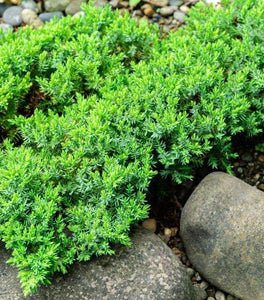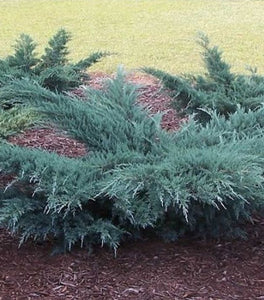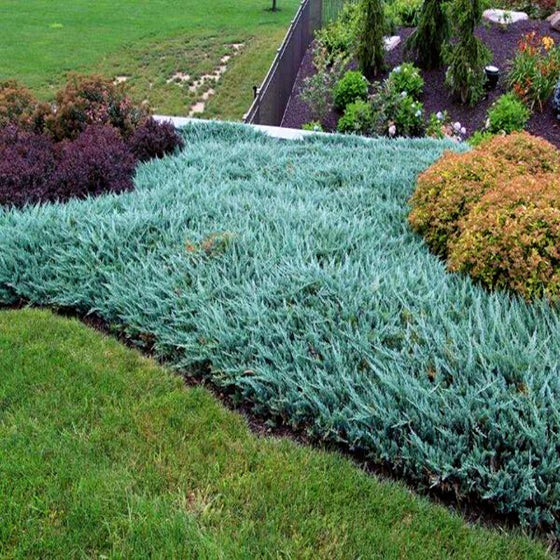
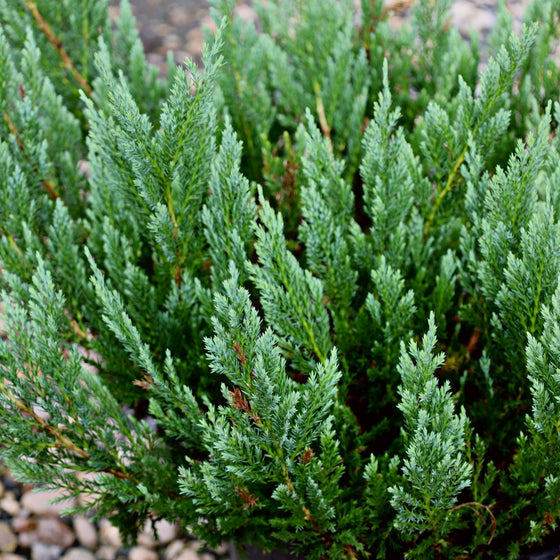
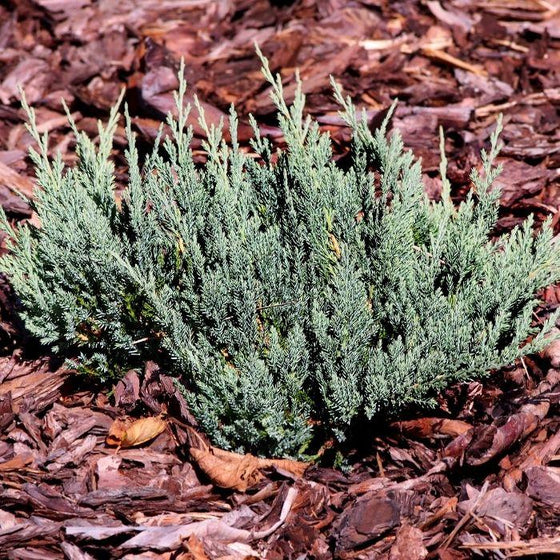
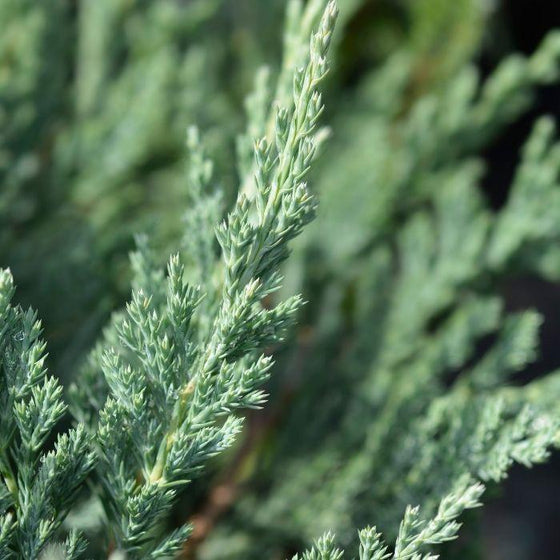


Images Depict Mature Plants
Blue Chip Juniper
Juniperus horizontalis 'Blue Chip'
Blue Chip Juniper is one of those plants that solves a lot of landscape issues without making a fuss. It gives you that cool blue evergreen color, spreads well, handles tough sunny spots, and helps cover ground in places that can otherwise be hard to keep looking good.

20% OFF SITEWIDE SALE
Use Code 'OCTOBER20' At Checkout
📦 Free shipping on orders over $99.
Delay shipping by leaving us a message at Checkout.
Share:


Silver-Blue Evergreen Coverage for Slopes, Borders, and Rock Gardens
A low evergreen that solves practical landscape problems
Blue Chip Juniper is an excellent choice for homeowners who want an evergreen groundcover that does real work in the landscape. Its low, spreading habit helps cover open soil, soften hard edges, and create a finished look in places where turf or larger shrubs are not the best fit. This is the kind of plant that combines utility and beauty in a very easy way.
Silver-blue foliage gives the landscape year-round color
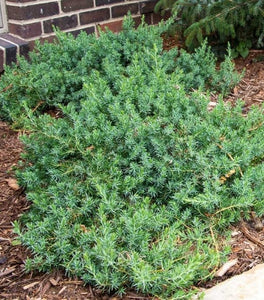
One of the biggest reasons Blue Chip Juniper stands out is its foliage color. The dense evergreen growth forms a cool-toned mat of silver-blue foliage that brightens sunny beds and contrasts beautifully with stone, mulch, and darker green shrubs. In colder weather, the foliage may take on a slightly purplish cast, which adds another layer of seasonal interest.
Its spreading habit makes it ideal for erosion control
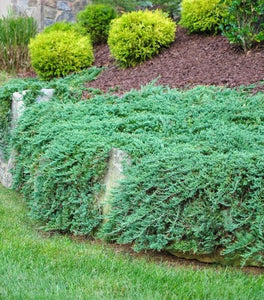
Blue Chip Juniper stays very low but spreads broadly over time, which makes it especially useful on banks, slopes, and other hard-to-maintain areas. It helps stabilize soil, suppress weeds, and create a long-lasting evergreen carpet where more demanding plants might struggle. It also looks especially good spilling over retaining walls or trailing along the front of planting beds.
Excellent for rock gardens, border edges, and large sunny spaces
This juniper is especially effective in rock gardens, gravel gardens, sunny slopes, border fronts, and large mass plantings where the goal is broad evergreen coverage without much height. It also fits well into coastal and waterwise landscapes, where its salt tolerance and drought tolerance add even more practical value.
Tough, drought tolerant, and easy to maintain
Blue Chip Juniper performs best in full sun and sharply drained soil. Once established, it is notably drought tolerant and generally needs very little pruning beyond light cleanup or shaping. Deer resistance is widely associated with this plant, though it is still best treated as relative rather than absolute in areas with heavy browsing pressure.
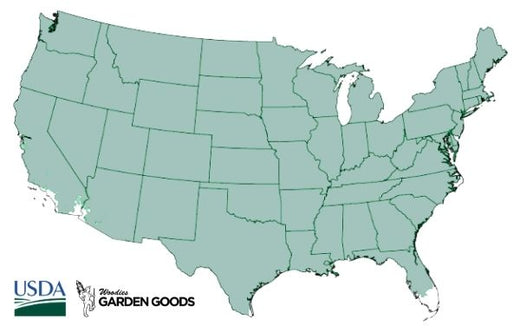
| Hardiness Zone: | 3-9 |
|---|---|
| Mature Height: | Under 12 Inches |
| Mature Width: | 4 to 6 Feet |
| Sunlight: | Full sun |
| Soil: | Well-drained soil; adaptable to sandy, lean, and slightly alkaline soils |
| Water: | Moderate during establishment; drought tolerant once established |
| Bloom Time / Color: | Conifer; grown for foliage, not flowers |
| Foliage: | Silver-blue foliage, often with purplish winter tones |
| Ornamental Features: | Dense spreading habit, cool-toned evergreen color, trailing groundcover form |
| Wildlife Value: | Evergreen cover value; occasional berry-like cones may benefit birds |
| Resistance (deer/disease/drought/etc.): | Relatively deer resistant, drought tolerant, salt tolerant, low maintenance |
| Landscape Uses: | Ground cover, slopes, erosion control, rock gardens, border edging, cascading over walls, mass plantings |
How to Care for Blue Chip Juniper
Before you buy a Blue Chip Juniper Shrub, make sure to read about the care instructions that we recommended to keep this plant healthy and thriving.

How should I plant Blue Chip Juniper?
Plant Blue Chip Juniper in full sun and sharply drained soil. Dig a hole about twice as wide as the root ball and no deeper than the root ball itself, then set the plant so the top of the root ball sits level with or slightly above the surrounding soil. Backfill with the native soil, water deeply, and mulch lightly around the base while keeping mulch off the stems. If you are planting Blue Chip Juniper in a mass groundcover area or on a slope, spacing the plants with future spread in mind will help them grow together into a dense evergreen carpet.
-v1604680092581.png?89x84)
How often should I water Blue Chip Juniper after planting?
Water Blue Chip Juniper deeply right after planting, then keep the soil evenly moist during the first growing season while the roots establish. In most landscapes, that means watering about once per week, with extra attention during hot or dry spells. Once established, Blue Chip Juniper becomes quite drought tolerant and generally needs much less supplemental water. Overwatering is much more likely to create problems than slightly dry soil, so drainage and moderation are the keys to success.
-v1604680064639.png?90x89)
When should I fertilize Blue Chip Juniper?
Blue Chip Juniper usually needs very little fertilizer. If needed, a light feeding in early spring with a balanced slow-release fertilizer for evergreens is enough to support healthy new growth. Avoid heavy fertilizing, since this plant naturally performs well in leaner soils and does not need aggressive feeding to look good. In most cases, full sun and proper drainage matter more than fertilizer.

When and how should I prune Blue Chip Juniper?
Prune Blue Chip Juniper only lightly and only when needed, usually in late winter or early spring. Remove any dead or damaged growth first, then make small shaping cuts if the plant needs tidying or if branches have spread beyond the desired edge. Avoid cutting deeply into old interior wood, since junipers do not reliably push new growth from bare older stems. In most cases, Blue Chip Juniper looks best when pruning is limited to cleanup and gentle control rather than heavy shaping.