
Plants on Sale for Exceptional Garden & Indoor Value
Fresh deals on favorites—perfect timing, limited quantities.
If you love a great plant project, this is the page to bookmark. “Plants On Sale” is where you’ll find discounted picks across multiple categories—everything from landscape-ready trees and shrubs to easy indoor houseplants—so you can stretch your budget without lowering your standards. The lineup can include featured items at a set percent off and “as low as” pricing, which means you can often grab the same variety in the size that best fits your space and timeline. The smart move is to shop with intent: start with the role you need to fill (privacy, curb appeal, container color, indoor greenery), then choose the best match while it’s still available.
Because sale inventory rotates, treat this collection like a living shortlist rather than a fixed catalog. You’ll see a mix of plant types with very different needs—sun lovers and shade-tolerant options, indoor plants that want bright indirect light, and outdoor plants where spacing, pruning, and mature size vary by variety. That’s why the We Grow Together Promise matters here: you can shop a deal and still feel confident you’re choosing the right plant for the right spot, at the right time.

Lion's Head Japanese Maple
As Low As $139.95


Dunstan Chestnut Tree
As Low As $79.95

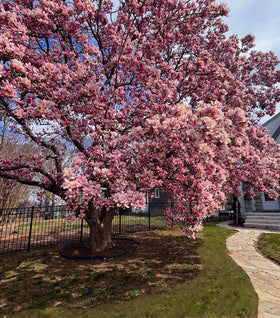
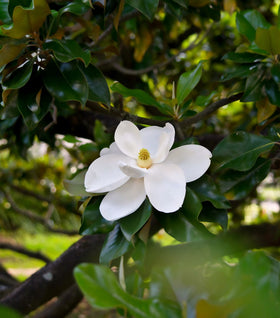
D.D. Blanchard Magnolia
As Low As $59.97
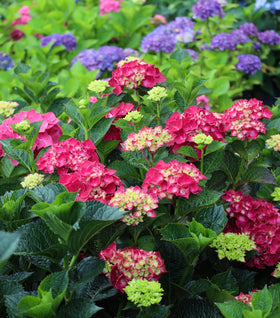

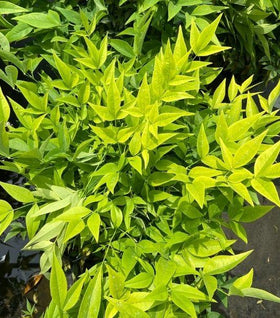
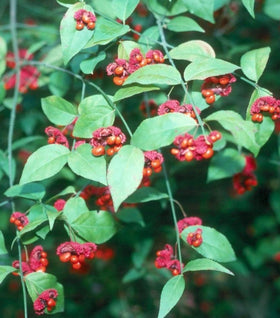
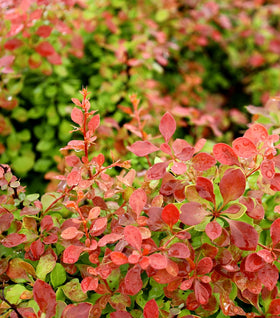
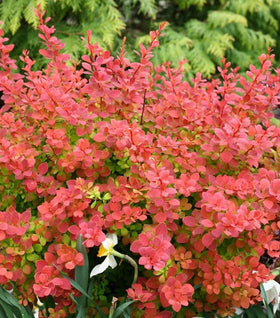
Admiration Barberry
As Low As $44.95
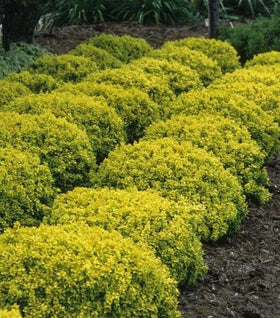
Bonanza Gold Barberry
As Low As $39.95
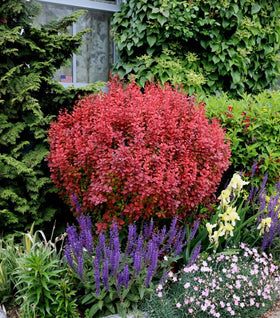
Orange Rocket Barberry
As Low As $34.95
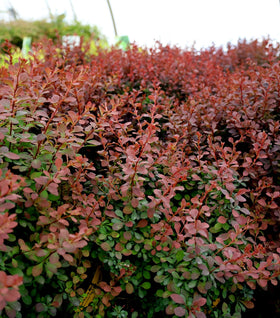
Royal Burgundy® Barberry
As Low As $27.95
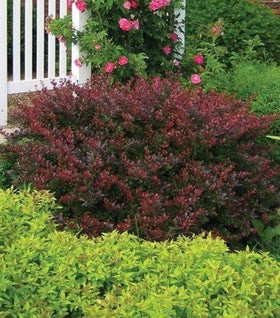
Crimson Pygmy Barberry
As Low As $26.95
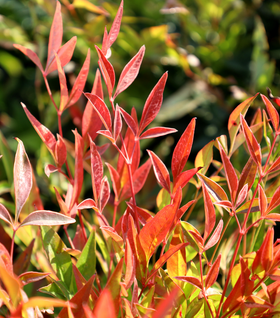
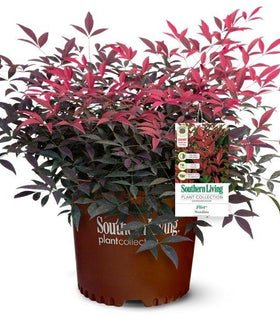
Gulf Stream Nandina
As Low As $26.95
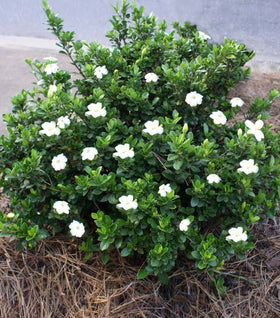
Dwarf Gardenia Radicans
As Low As $26.05

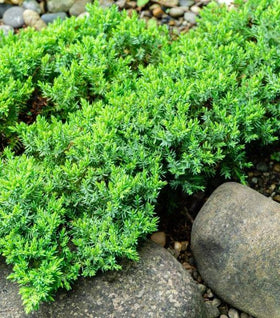
Green Mound Juniper
As Low As $22.95


Fire Power Nandina
As Low As $19.95

Golden Euonymus
As Low As $19.95
Save on standout plants while inventory lasts.
This collection is designed for shoppers who want value and results. The items featured here are explicitly marked down (often shown as a percent off), and the selection can include multiple categories at once—outdoor trees and shrubs, flowering favorites, and indoor plants that make an immediate impact. That variety is the advantage: you can score a focal-point plant for the landscape and pick up a low-effort houseplant in the same browsing session, all while staying deal-focused.
The key is moving from “deal” to “decision” quickly. Sale inventory tends to change, and popular items can disappear as quantities tighten—so it helps to decide what success looks like first: do you need a specimen-style statement, a foundation evergreen, a flowering accent, or a simple indoor refresh? Once you know the job, it’s easier to choose the right plant size and avoid impulse buys that don’t fit the site.
Value also comes from picking plants that naturally perform with less fuss. Many of the most reliable landscape plants are tough once established, and many indoor plants reward consistent routines more than constant “perfect” care. When you shop sales with a performance mindset—light match, spacing plan, and basic care readiness—you save money and avoid expensive do-overs later.
Know what changes from week to week.
Think of “Plants On Sale” as a rotating set of opportunities. The page can show a range of discounted items at once—some outdoor, some indoor—so the right way to shop it is to expect variety and read each listing carefully. When you see “as low as” pricing, that typically signals multiple size options within the same product, which can be a big advantage when you’re balancing budget, immediate impact, and long-term growth.
Because the collection spans plant types, the horticultural details are not one-size-fits-all. Bloom window, mature size, and growth rate vary dramatically between a flowering shrub, a columnar evergreen, and a tropical houseplant—so treat this page as the “deal finder,” then confirm specifics at the plant level before you commit. That’s also where you’ll verify pruning timing, sun/shade needs, and spacing for the exact variety and size you’re ordering.
A final “week to week” reality: different plant categories come with different cautions. Indoor plants are more likely to have pet-toxicity concerns, while outdoor ornamentals are more likely to have regional restrictions or invasiveness cautions in certain areas. Federal and extension guidance consistently recommends avoiding invasive ornamental plants and preventing accidental spread—especially when you’re planting near natural areas—so it’s always worth a quick check if you’re unsure about a specific species.
Match the right plant to the right spot.
For outdoor deals, the biggest “win” is matching light and space. A plant that wants full sun will struggle in shade, and a plant that matures wide will quickly outgrow a tight foundation bed—so plan for the grown-up size, not the nursery pot. If you’re mixing categories (trees, shrubs, perennials), create a simple map: tall anchors in back or as focal points, medium structure in the middle, and lower color up front where you’ll see it daily.
For indoor deals, match the plant to the room. Many popular houseplants prefer bright, indirect light and steady watering habits rather than extremes, and indoor conditions (heat vents, dry winter air, low-light corners) can matter as much as the plant itself. If pets roam, make “pet check” part of the purchase decision: peace lily (Spathiphyllum) is listed as toxic to cats and dogs, aloe vera is listed as toxic to cats and dogs, and spider plant (Chlorophytum comosum) is listed as non-toxic—so your placement choice can be just as important as your style choice.
When you’re shopping in sales, it’s tempting to grab “one of everything.” A smarter approach is to build small, repeatable groupings: three of the same perennial for a drift, two matching shrubs for balance, or a pair of indoor plants that like the same light level. Repetition makes beds look designed, and matching needs makes care easier—especially when you’re juggling multiple sale finds at once.
Keep care simple and protect your investment.
For outdoor plants, success usually comes down to three basics: correct planting depth, consistent watering during establishment, and spacing that allows airflow. When plants are crowded and humid, common diseases like powdery mildew can appear more aggressively, and extension guidance emphasizes cultural prevention steps such as improving air movement and avoiding excess nitrogen, which can promote lush, susceptible growth. In other words: give plants room, don’t overfeed, and you’ll keep them looking better longer.
For indoor plants, the most common preventable problems are pests and watering mistakes. Extension resources and university guidance highlight common houseplant pests such as aphids, whiteflies, mealybugs, scales, thrips, and spider mites—often living on the undersides of leaves—so a quick weekly check (especially under leaves) can prevent a minor issue from becoming a full collection problem. If you’re bringing new plants into the home, it’s also smart to keep them slightly separated at first while you watch for hitchhikers.
Finally, remember that “sale” should never mean “risky.” If you’re unsure about toxicity (especially with pets), confirm first—ASPCA’s plant database is a reliable reference for common houseplants. If you’re unsure about regional restrictions or invasiveness, lean on local extension guidance before planting near natural areas. That extra minute of checking protects your household, your landscape, and your time—so the deal stays a deal long after checkout.