
Ornamental Pepper Plants for Bold, Long-Lasting Seasonal Color
Pack patios, pots, and garden beds with bold late-season color.
Ornamental peppers are one of the easiest ways to make summer and fall containers look sharper, brighter, and more exciting. They bring glossy foliage, an upright habit, and clusters of colorful fruit that shift through shades of purple, cream, yellow, orange, and red as the season progresses. That changing color is a big part of their appeal. Instead of giving you just one burst of bloom, these plants keep developing and intensifying, which makes pots, porch planters, and front-of-bed plantings feel more dynamic over time. For homeowners who want bold curb appeal, for landscapers building seasonal displays, and for gardeners who love compact plants with a lot of personality, ornamental peppers are a smart collection to shop. They look clean, intentional, and a little unexpected in the best possible way.
What really makes ornamental peppers so useful is how well they handle heat and how easily they fit into different designs. They can anchor mixed containers, edge sunny flower beds, add contrast to mums and grasses, or stand on their own when you want a crisp block of color and texture. Many stay compact enough for smaller spaces, but they still make a strong visual statement because the fruit stands upright and shows off so well against the foliage. They are also refreshingly straightforward to grow when given sun, drainage, and regular water. This collection is ideal for gardeners who want hardworking seasonal color with less fuss and more payoff, backed by expert guidance and the We Grow Together Promise
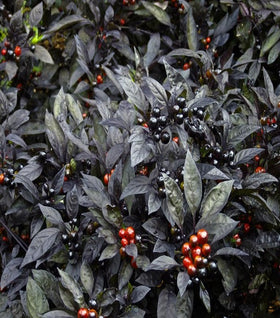
Black Pearl Ornamental Pepper
$18.95

Chilly Chili Ornamental Pepper
$18.95
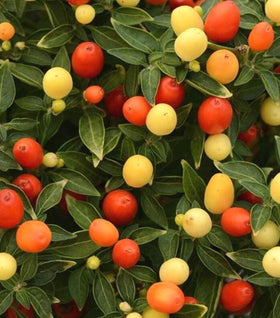

Sangria Ornamental Pepper
$18.95


Onyx Red Ornamental Pepper
$18.95
Pick more colors for every sunny pot and border.
Ornamental peppers are grown for impact. They are the kind of plants that wake up a container, sharpen the edge of a flower bed, and make late-season displays feel more polished. Instead of relying solely on bloom, they layer color through foliage and fruit, giving them a longer-lasting decorative effect. Many varieties start with green or purple foliage, then pile on fruit that matures through multiple shades. That means a single plant can show more than one color at once, creating the kind of texture and depth that makes planters look professionally styled. If you want a collection that reads bold and intentional from a distance but still has plenty of close-up detail, ornamental peppers are a strong choice.
They also fit the way many gardeners actually plant. These are practical seasonal plants for porch pots, mailbox beds, mixed annual borders, patio planters, and front entry displays. Compact selections work beautifully in smaller containers, while slightly larger forms can fill in garden beds or add structure to mixed plantings with grasses, coleus, or flowering annuals. Because they are tidy and upright, they are especially useful when you want a clean shape rather than something loose or trailing. That makes them a valuable design tool as much as a seasonal color choice.
Some ornamental peppers feel playful and bright, while others read darker and more dramatic with purple-black foliage or intense red fruit. Either way, they help bridge summer into fall with strong color that stays present through warm weather and into the cooler end of the season. For gardeners shopping with visual impact in mind, ornamental peppers are among the most efficient ways to achieve it.
See the foliage, fruit, and compact form you are planting for.
The biggest draw here is the fruit display. Ornamental peppers are known for their upright, highly visible peppers, which often stand above the foliage like little candles of color. Depending on the variety, fruit may begin purple, cream, or green, then ripen to yellow, orange, and red. Because peppers often color in stages, plants can carry several shades at once. That layered look is what makes them so effective in seasonal design. Even before they reach full color, the plants already feel busy and decorative, and once the fruit matures, the display becomes even stronger.
Foliage matters too. Some ornamental peppers keep a clean green leaf, while others bring striking dark purple foliage that adds contrast before the fruit even becomes the main event. Flowers are usually small and not the headline feature, but they give way to the colorful peppers that drive the long ornamental season. In warm weather, growth is generally moderate to fast, especially once the plants settle into consistently warm conditions. Many ornamental peppers stay compact, often around 8 to 18 inches tall and roughly 8 to 14 inches wide, though some selections can stretch a bit larger depending on variety and growing conditions.
That compact habit is one of their biggest strengths. These plants do not need a huge footprint to make a strong impression. They are excellent for the front of sunny beds, for edging, and for containers where every inch matters. Because they tend to stay neat and upright, they keep displays looking crisp instead of overgrown. The result is a collection that offers strong color, manageable size, and a long window of good looks from the heat of summer into fall.
Plant them where heat and sun bring out their best.
Ornamental peppers perform best in full sun, where strong light helps build dense growth, good branching, and the richest fruit color. In practical terms, that means they are best used in open patio containers, sunny porch planters, exposed annual beds, and hot landscape spots where other plants may start to fade. Most need at least six hours of direct sun, and they often look their best with even more. In especially hot areas, a little late-afternoon protection can help reduce stress, but these are still plants that want warmth and bright light to perform.
Spacing should stay tight enough for fullness but open enough for airflow. In beds, many ornamental peppers work well at roughly 12 to 18 inches apart, depending on the mature size of the selection. More compact forms can be grouped a bit closer for a fuller look, while broader types should be given extra breathing room so the foliage dries quickly and the plant keeps a clean shape. In containers, one plant may be enough for a small pot, while larger planters can combine ornamental peppers with grasses, trailing vines, or other sun-loving annuals. The goal is to let the peppers show without crowding them so tightly that color and form get lost.
These plants are especially effective in places where people see them up close. Front steps, patio groupings, walkway planters, poolside containers, and entry gardens are all strong fits. They can also be used in mixed seasonal beds to bring punctuation and contrast between softer annuals. Ornamental peppers are not screening plants or long-term woody structure, but for concentrated seasonal color and strong visual rhythm, they do an excellent job.
Grow with simple care and strong seasonal payoff.
Ornamental peppers are straightforward plants when the basics are right. Give them warm conditions, well-drained soil, and steady moisture, and they usually settle in quickly. Like other peppers, they dislike cold soil and should be planted after frost danger has passed, and the weather has turned reliably warm. In containers, use a quality potting mix and make sure drainage holes are open and working well. In beds, avoid low spots where water stands after rain. These plants can handle heat, but roots that stay soggy for too long can lead to rapid decline.
Watering should be regular, especially in containers during summer heat, but the goal is even moisture rather than constantly wet soil. A light feeding program throughout the growing season helps support foliage and fruit production, particularly in pots where nutrients wash out more quickly. Ornamental peppers are generally low-maintenance and usually do not need major pruning. If needed, a light pinch when plants are young can encourage fuller branching, and removing tired fruit late in the season can tidy the look. In most landscapes, though, the main job is simply to keep them watered, fed, and in enough sun.
There are a few cautions worth knowing. Ornamental peppers are typically grown as annuals or tender perennials, depending on the climate, and they are very sensitive to frost. The fruit is technically edible in many cases because these are forms of Capsicum annuum, but ornamental types are usually grown for looks rather than flavor and can be very hot or unpleasant to eat. They should also be treated with care around pets and children, since foliage and fruit can cause irritation or digestive upset if chewed. Aphids, spider mites, and occasional fungal issues can appear, especially in poor airflow areas. With sun, warmth, and simple care, ornamental peppers deliver an unusually long run of bold, tidy color.