
Woodland Garden Plants for Shady, Naturalistic Landscapes
Shade-loving plants that turn under-trees spaces into your favorite garden rooms
A woodland garden is where a landscape starts to feel like a place, with cooler air, softer light, and layers of texture that look naturally “meant to be.” The trick is choosing plants that actually enjoy life under trees: shade-tolerant perennials, groundcovers, and understory-style standouts that can handle root competition, filtered light, and soil that stays moister (and cooler) than sunny beds. When those conditions are matched well, shade gardens can be some of the lowest-maintenance, most rewarding areas on the property—because you’re working with the microclimate instead of fighting it.
I treat this collection like a confidence list for homeowners and landscapers: plants suited to dappled shade, part shade, and deeper shade, plus options that help you solve common woodland challenges like dry shade pockets, wet-to-moist low spots, and thin soil under mature roots. Woodland planting is also about smart “layering”: early-season interest, long-season foliage, and dependable structure that still looks good when blooms come and go. And if you ever need a steady hand from selection through establishment, you’ve got the We Grow Together Promise.


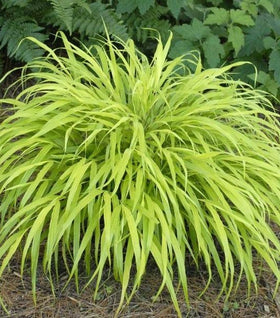
All-Gold Japanese Forest Grass
As Low As $56.95




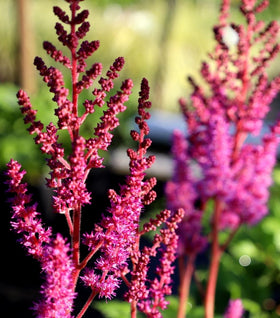

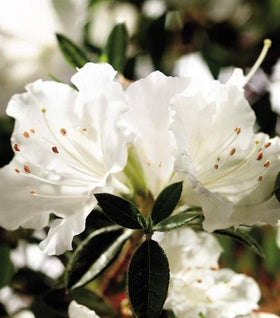


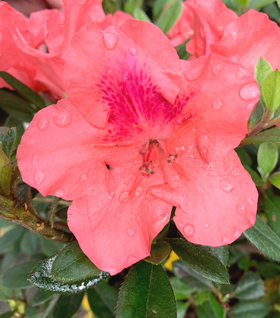

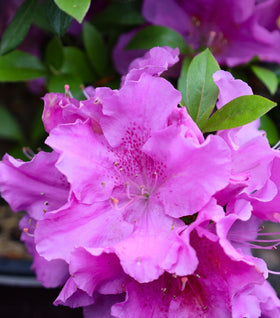


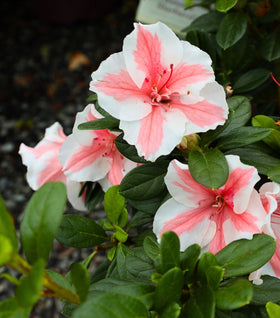
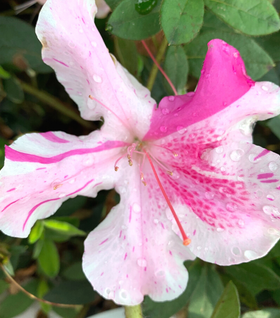
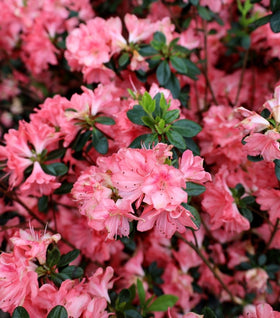


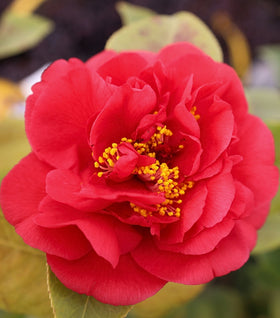
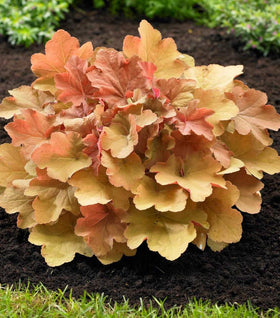
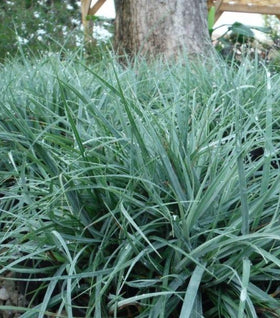

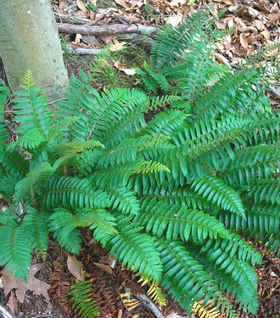
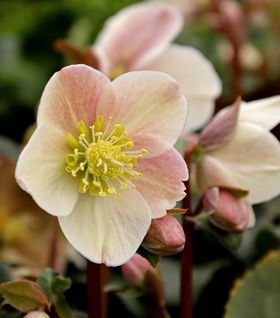


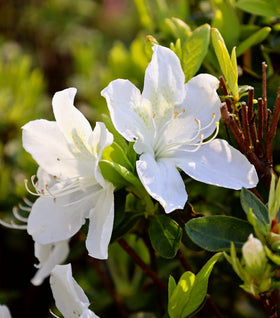

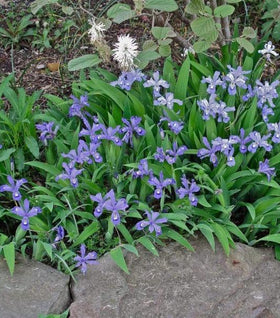


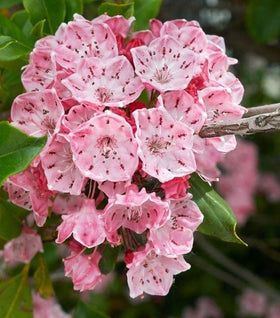


Build a woodland garden that looks designed, not accidental.
Woodland gardens work best in layers: low groundcovers, mid-height mounds, and a few taller accents that draw the eye. Repeat plants and overlap textures to create a “calm fullness” rather than a scattered mix.
Shade varies. Identify your conditions—dappled, part, or deep shade—and select plants suited to each. Matching plants to light ensures blooms and growth thrive.
Soil matters. Under trees, moisture and nutrients can be limited. Choose plants that tolerate root competition and cooler, steady moisture. Adding organic matter, gentle feeding, and consistent watering helps plantings settle and thrive.
Learn Before You Plant 🌿
Layer the right plants in the right spots. Our step-by-step woodland series shows how to design with confidence.


Plan for texture, bloom, and mature size.
Woodland gardens thrive on “moments.” Early spring blooms take the spotlight, then foliage carries the season. Choose plants by mature size to avoid crowding, and use different growth rates intentionally—fast for groundcover, slow for stability, and controlled spreaders where space allows.
Place plants by shade, moisture, and layering.
Map light and moisture: bright edges allow more options; deep shade needs true shade performers. Spacing is key—12–24 inches works for most perennials and groundcovers, adjusted for mature width. Place taller accents at the back, mid-height mounds in the middle, and groundcovers along paths and edges to frame your garden naturally.
Keep care simple: soil, mulch, pruning.
Woodland success is about moisture management, not constant maintenance. Organic matter and mulch help retain steady moisture; keep mulch off crowns. Prune lightly—remove winter-damaged foliage, cut back spent stems, and thin only when airflow suffers. A light touch keeps beds tidy and natural.