
Barberry Shrubs for Colorful Foliage & Deer-Resistant Structure
Bold Foliage Color And A Tough Hedge Look For Borders, Beds, And Barriers
Barberry is the “instant contrast” shrub. If your beds feel flat, barberry fixes that fast with foliage that shows up—gold, burgundy, and fiery seasonal tones that make everything around it look more intentional. It’s also a practical shrub when you want a little extra protection in the landscape. Barberries are thorny, dense growers, which is exactly why so many people use them along property edges, under windows, and in places where you want a natural barrier without building something.
Buying barberry shrubs online is easiest when you shop with two simple decisions: pick the color you want, and give it sun for the best show. Many barberries color up best in full sun, and they’re generally low-maintenance once established in well-drained soil. One important planning note: some barberry cultivars (especially Japanese barberry, Berberis thunbergii) are listed as invasive or restricted in parts of the U.S., and regulations can vary by state—so it’s worth checking local guidance before planting. Order with confidence: fast shipping, clear guidance, and real horticultural support—backed by the We Grow Together Promise.
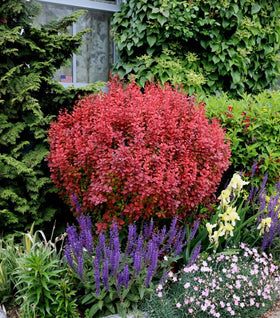

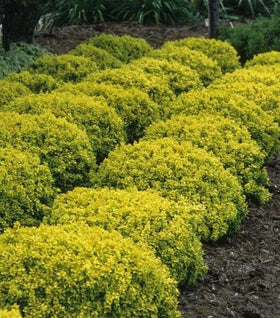

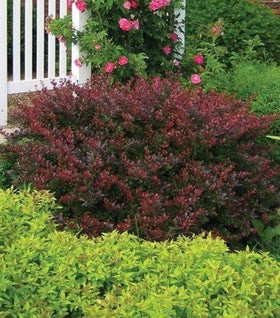
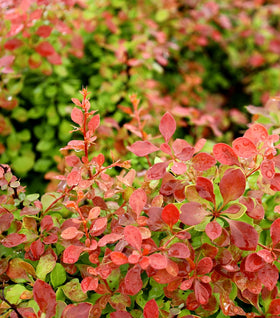
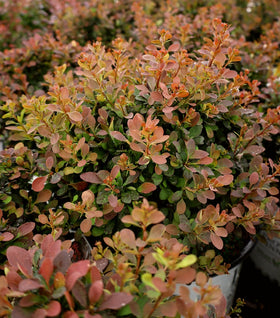
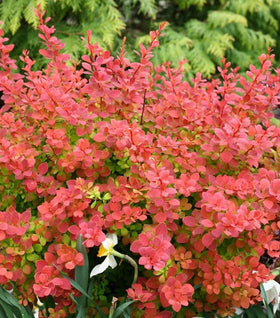
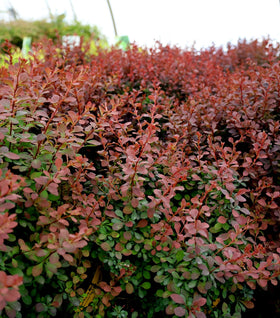
Get bold color and a tough hedge look fast.
Barberry shrubs are a smart buy when you want big visual contrast without a high-maintenance routine. Their foliage is the feature—many selections are grown specifically for rich purple tones, bright gold leaves, or strong seasonal color—so you get impact long after flowers would normally fade. If your purchase intent is “make this bed pop,” barberry is one of the quickest ways to add color that reads from the street.
They’re also a practical choice for structure. Barberries are known for their thorns and dense branching, which is why they’re often planted as a living barrier or informal hedge. In other words: you’re not just adding color—you’re adding a shrub that can define a line, guide foot traffic, and create a little separation in the landscape.
And because many barberries are hardy and tolerant once established, they’re a good fit for homeowners who want plants that perform without constant babying.
Enjoy fiery foliage and thorny texture all season.
Barberry’s appeal is mostly about foliage. Golden barberry types are commonly described as vivid yellow in full sun, while purple-leaf types hold deep color that pairs beautifully with evergreens and flowering shrubs. That color contrast is especially valuable in mixed foundation beds—barberry can make a simple planting look “designed” just by repeating it in a rhythm.
Texture matters too. The thorny branching gives barberry a crisp, slightly rugged character that works well in both modern landscapes and more traditional borders. It’s the kind of shrub that looks intentional even when it’s not being sheared every few weeks.
If you’re planning for long-term value, note that barberry can live for many years and usually doesn’t demand frequent fertilizing or constant watering once roots are established—making it a good “plant it and enjoy it” option in the right spot.
Plant it for borders, barriers, and easy massing.
For best color, place barberry where it gets plenty of sun—many guides note foliage color is strongest in full sun, while shadier sites may reduce intensity. Choose well-drained soil and avoid persistently soggy areas, which helps keep shrubs healthier and reduces stress.
Spacing depends on your goal. For a clean border or specimen look, give plants room to reach their natural width. For hedges, plant closer to knit together faster—but still plan for airflow so the planting stays dense instead of disease-prone. General hedge guidance commonly supports pruning once or twice per year to keep hedges thick and attractive.
Important regional note (especially for Mid-Atlantic shoppers): Japanese barberry (Berberis thunbergii) is listed on invasive-species maps and is restricted in some states; Maryland’s prohibited invasive plant rules list Japanese barberry as effective January 15, 2026, with phase-outs noted thereafter. If you’re unsure what applies in your area, check local guidance so you can plant confidently.
Keep it crisp with simple pruning and low water.
Barberry maintenance stays straightforward: water regularly during the first season, then shift toward deep, occasional watering as plants establish. Many barberries are described as drought-tolerant once rooted and generally don’t need frequent fertilization in average soils.
For pruning, aim for spring cleanup and shaping, and avoid late-summer cuts that can push tender growth heading into cold weather—general pruning guidance cautions against late-summer/early-autumn pruning for that reason. If you’re renewing an older shrub, a gradual approach works well: reduce size over time rather than hacking it back all at once (a common best practice for shrub health).
Finally, a practical safety note: barberries are thorny, and some sources also note mild toxicity concerns for certain types—so place them thoughtfully away from narrow walkways and areas where kids or pets brush past constantly. Do the basics—sun for color, drainage for health, and a simple spring prune—and barberry delivers the bold hedge-and-border look you’re shopping for, backed by the We Grow Together Promise.