
Trendy Houseplants for Bold Foliage & Modern Indoor Style
Style-forward indoor plants that thrive in real-life homes.
Trendy houseplants aren’t just “plants that look good on the internet”—they’re plants that make your everyday spaces feel calmer, brighter, and more alive. This collection focuses on popular indoor plants that deliver big visual payoff with practical, home-friendly habits: trailing vines that soften shelves, bold foliage that anchors a room, and easy growers that reward you even if your schedule is packed. You’ll see modern classics and “collector look” favorites like pothos, ZZ types, monstera-style foliage, hoya forms, and compact growers that fit desks and countertops without taking over the whole room.
Here’s the confidence piece: most indoor plant problems come down to light, drainage, and timing. Give these plants the right window (often bright, indirect light), a pot with drainage, and a watering rhythm that lets the soil dry appropriately, and you’re already ahead of the curve. Keep new additions in a short quarantine, space pots so air can circulate around them, and you’ll prevent a lot of pest headaches before they start. And if you’re ever unsure, you’re backed by the We Grow Together Promise—because a “trendy” plant should still be a plant you can actually keep.
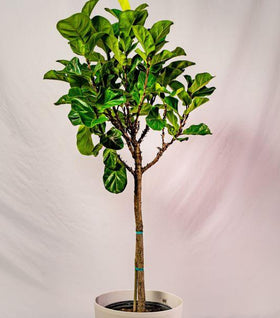
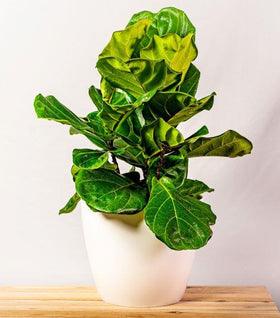
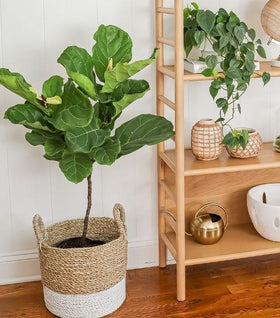
Bambino Fiddle Leaf Fig Tree
As Low As $39.95

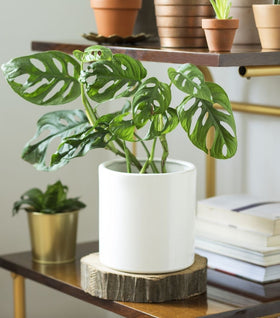
Monstera adansonii (Swiss Cheese Vine)
As Low As $32.95

Monstera deliciosa (Swiss Cheese Plant)
As Low As $32.95

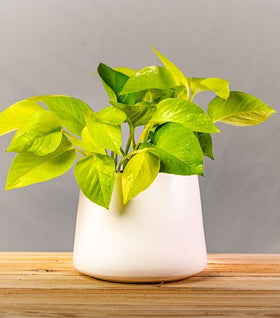
Neon Pothos (Epipremnum aureum ‘Neon’)
As Low As $36.95






Turn your rooms into living decor.
Trendy indoor plants work because they solve two goals at once: they elevate the look of a space, and they’re genuinely enjoyable to grow. Vining plants can trail from shelves or climb a moss pole, while upright, architectural plants give you that “styled corner” feel without needing constant attention. This collection highlights popular houseplants chosen for modern homes—plants that handle typical indoor humidity, recover well from minor mistakes, and still look like you know what you’re doing.
You’ll find a mix of growth habits to build a layered look: cascading options (great for hanging baskets), compact tabletop plants, and structural statement plants that hold their shape. Many of these “trendy” picks are also famously forgiving—some tolerate lower light, and several prefer drying a bit between waterings, which is exactly what busy households need. The result is a collection that feels curated, not fussy.
If you’re styling multiple plants together, think in “levels”: one tall anchor, one medium plant with texture, and one trailing plant to soften edges. Just don’t pack pots too tightly—spacing containers so air circulates helps reduce moisture-related issues and keeps plants healthier over time. That small design detail is also a practical care win.
Get bold foliage, cool forms, and instant personality.
What you’re really shopping for here is foliage impact—unique leaf shapes, dramatic color, and growth habits that make a plant feel like a centerpiece. Some plants in this category grow quickly into that “lush” look (like pothos vines), while others stay slow and sculptural (like ZZ types). And many have leaves built for indoor life—thicker, waxier foliage that holds up well in normal home conditions.
Expect a range of mature sizes, because “trendy” doesn’t mean “one size fits all.” Indoors, some favorites stay compact and trailing, while others can reach a few feet tall and wide over time with good light and patience. The key is matching the plant’s growth rate to your space: slow growers are perfect for desks and low-maintenance corners, while vining climbers shine when you want a plant to visually “move” through a room.
Bloom is a bonus in the trendy houseplant world, but it’s absolutely possible—especially with hoya types, which can produce fragrant, waxy flower clusters when they’re mature and happy (often during warmer, brighter months). Consider flowers the reward for consistent light and smart watering, not the main event. The everyday beauty here is leaf texture, silhouette, and color.
Place them right and watch them take off.
Most “trendy” houseplants look their best in bright, indirect light—near a sunny window where the rays are filtered, not blasting directly onto leaves. This is especially important for plants like pothos and monstera-style foliage, which can scorch in harsh sun but stretch and thin out if light is too low. If you’re working with low light, lean into naturally tolerant plants and rotate them occasionally so growth stays even.
Use placement to get real functional benefits: trailing plants soften shelves and bookcases, climbers add vertical interest, and upright plants make strong “green architecture” near sofas, entryways, and open corners. For containers, prioritize drainage and stability—pots with drainage holes are the difference between thriving roots and chronic sogginess. As a spacing rule indoors, leave at least a few inches between containers (more for larger plants) so air can move around the leaves and soil surfaces dry at a healthy pace.
If you’re mixing plants in one room, group by needs: high-light plants right up in your brightest windows, and low-light tolerant plants a bit deeper into the space. And when you bring home new plants, isolate them away from your existing collection for a few weeks—this simple step helps prevent pests from spreading and protects everything you already love.
Easy care that keeps your plants looking expensive.
Start with the basics that matter most: well-draining potting mix, a container with drainage, and watering that matches the plant. Many trendy houseplants prefer a dry-down cycle—water thoroughly, let excess drain, then wait until the mix is partly dry before watering again. Overwatering is the most common cause of indoor plant decline because it sets the stage for root problems, leaf yellowing, and “mystery” collapse.
Pruning is simple and mostly optional, but it’s a powerful tool for shaping. Clip pothos and other vines to encourage branching and a fuller look, and trim leggy growth to keep plants compact. For woody indoor trees (like potted olives), pruning is typically done during the cooler/dormant season or before the main growth push, especially if you’re managing size for indoor living. Think “light shaping,” not heavy cutting.
Plan for pest prevention like a pro: check leaves (especially undersides) when you water, keep plants clean, and isolate any plant that shows suspicious spotting, sticky residue, cottony clusters, or fine webbing. Common indoor pests include mealybugs, scale, thrips, whiteflies, and spider mites—most outbreaks start when new plants bring hitchhiking pests into your home, which is exactly why spacing and quarantine are worth it.
Finally, a quick safety note for households with pets or curious kids: some popular trendy plants (including pothos and Swiss-cheese-type plants in the aroid family) can cause irritation if chewed, while many peperomia and hoya types are generally considered non-toxic. When in doubt, place plants up high, choose safer options for floor-level styling, and treat “no nibbling” as part of your plant care plan