
Coneflower Plants for Sale Online
Vibrant, Pollinator-Magnet Perennials You Can Count On
If I could recommend one perennial that works hard for every gardener, it’s Echinacea. You get reliable bloom power, real drought tolerance, and wildlife benefits without the need for constant deadheading. In design, I like to cluster three to five of a single variety to create a strong color statement, then echo that color elsewhere in the bed with daylilies, salvia, or ornamental grasses. Coneflowers shine in full sun and well-drained soil, and they don’t flinch at heat or humidity once established. Leave autumn seedheads standing—birds adore them, and the silhouettes add off-season texture.
We trial the standouts: varieties with sturdy, non-flopping stems, extended bloom windows, and clean foliage that withstands summer stress. Our product pages include honest, accurate sizes, spacing, and care information so you can place them correctly the first time. Every plant is nursery-grown and ships ready to thrive—supported by detailed planting guides, real horticultural help, and our We Grow Together Promise.

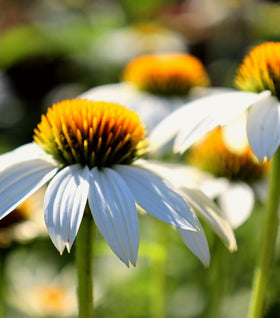
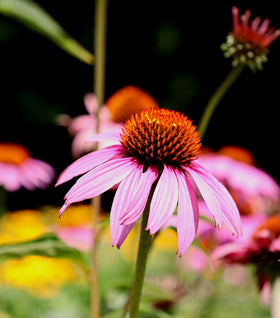
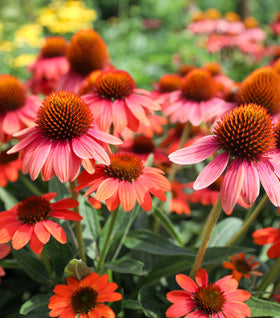
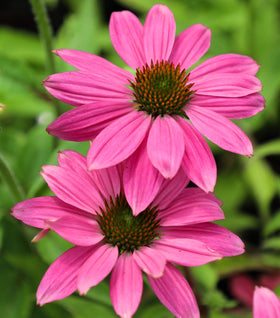
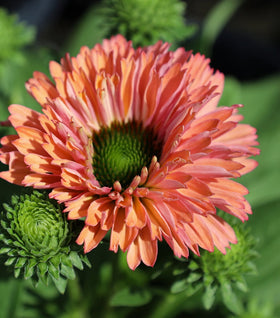
PowWow Wild Berry Coneflower
As Low As $19.95
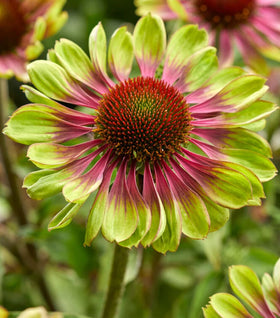
SunSeekers Rainbow Coneflower
$42.95

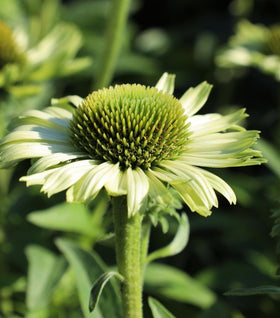
Raspberry Truffle Coneflower
$34.95
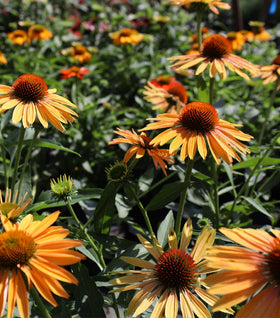

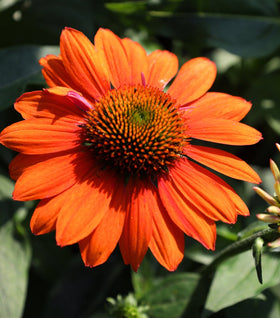
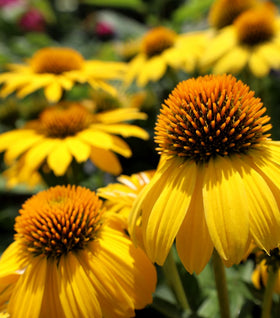
Sombrero Lemon Yellow Coneflower
As Low As $42.95
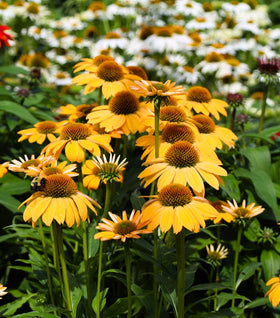

Cheyenne Spirit Coneflower
As Low As $18.95

Add long-blooming color, drought tolerance, and wildlife value to any sunny bed or border. These low-maintenance, deer-resistant perennials deliver daisy-like petals in bold hues from midsummer into fall, thriving in heat and poor soils where fussier flowers fade. Order coneflowers online with fast shipping, grown and hand-packed by our horticulture team and backed by our We Grow Together Promise.
Whether you’re after classic purples or new designer shades—apricot, tomato red, lemon, or near-white—our curated cultivars offer strong stems, heavy blooming, and compact habits ideal for modern landscapes and pollinator gardens. Plant once, enjoy for years, and watch butterflies, bees, and goldfinches turn your garden into a summer hotspot.
Why Gardeners Love Echinacea — Color, Staying Power & Wildlife Value
Echinacea brings months of color from midsummer through frost with minimal inputs. Strong, upright stems hold flowers above the foliage for high visibility from the curb, and their nectar-rich cones fuel bees and butterflies all season. When blooms fade, the seedheads feed goldfinches and add sculptural winter interest.
These perennials are built for tough sites: prairie genetics mean they’re drought-tolerant once established, tolerant of lean soils, and generally ignored by deer and rabbits. Use them for long, repeating drifts in borders, naturalistic meadows, and pollinator strips along fences or drives.
Forms, Colors & Bloom Performance (Pick Your Palette)
Today’s Echinacea comes in compact mounds (16–24") perfect for fronts of beds, mid-border workhorses (24–30"), and robust statements (30–36"+) for backdrop color. Petal forms range from classic single daisies to fully double “pom-pom” styles; colors span magenta-purple, watermelon, coral, mango, lemon, white, and bicolors with vibrant cones.
Look for cultivars bred for branching and repeat flowering, allowing you to enjoy waves of blooms with minimal deadheading. In hot markets or tight footprints, choose compact series to keep pathways clear and containers showy all summer.
Smart Landscape Uses — Borders, Meadows & Cut Flowers
Plant drifts of 3–7 for impact, mixing heights for a layered look with ornamental grasses (Panicum, Pennisetum) and sun-loving perennials (Salvia, Rudbeckia, Agastache). Echinacea is a staple in pollinator gardens and xeric designs, and the sturdy stems make excellent cut flowers with long vase life. Mass near patios where butterflies put on a daily show.
For season-long rhythm, pair early bloomers (catmint) and late color (asters) so your border never blinks. In containers, use compact Echinacea as the thriller, surround it with filler herbs (such as thyme and oregano), and add spiller sedums.
Easy Maintenance & Long-Term Vigor
Give coneflowers 6–8 hours of sun and well-drained soil; amend heavy clay with compost and a raised grade for first-year success. Water deeply for the first 6–8 weeks, then reduce watering—these are low-water plants once their roots are established. Deadhead for tidiness, or leave late-season cones for birds and winter silhouette.
Divide clumps every 3–4 years if bloom slows, and feed lightly in spring with a balanced, slow-release fertilizer. Space most varieties 18–24 inches apart for airflow and full flowering without overcrowding.
For a more in-depth explanation of how to care for Echinacea Plants, check out our Echinacea Planting Guide.