
Astilbe Plants for Colorful Plumes & Shaded Garden Beds
Feathery summer blooms that bring color to shade and moisture-loving beds
Astilbe is the plant you reach for when you want real flower power in shade—soft, plume-like blooms that rise above lush foliage and make darker garden corners feel bright and layered. Depending on the variety, astilbe can bloom from late spring through late summer (with some varieties blooming later), so you can build a season-long display by mixing early, mid, and late selections.
Here’s the honest secret: astilbe isn’t “hard,” but it is particular about moisture. Give it part shade (or sun with extra attention), consistently moist, well-drained soil, and enough spacing for airflow, and it rewards you with dependable color and a clean, mounded look year after year. Leave foliage working through the season, tidy spent plumes when you feel like it, and save the true cutback for late fall—then you’re gardening on easy mode, backed by the We Grow Together Promise.
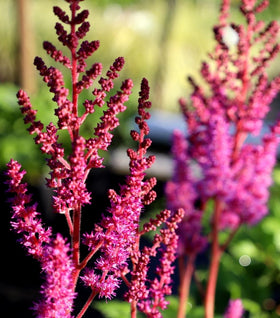

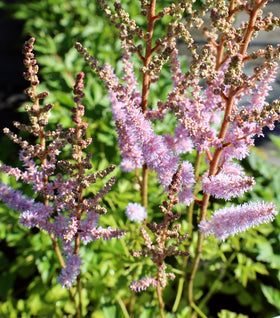
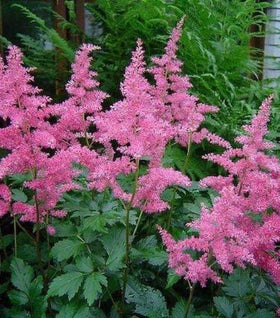


Purple Candles Astilbe
$28.95


Light up shade gardens with fluffy, long-lasting blooms.
Astilbe is a top-tier shade perennial because it adds both color and texture—those feathery plumes read like “instant garden design,” especially when paired with bold-leaf plants like hostas and ferns. Many astilbes are classed by bloom season (early to late), and combined planting can keep blooms coming from roughly May through September in many gardens.
It’s also a practical solution for tricky spots where the sun is limited, but you still want flowers, not just foliage. In part shade, astilbe typically flowers more generously than in full shade, while still keeping that woodland-garden feel that makes shady beds look intentional and layered.
Design-wise, astilbe shines in groups. Plant it in drifts to create a soft “river” of bloom through shade borders, or repeat it along a shaded walkway for a consistent rhythm that looks planned from the first season and gets fuller over time.
See the colors, height, and bloom timing you’re planting for.
Bloom timing varies widely by variety, which is a feature. Early bloomers can start as spring fades, and later types can carry color into midsummer (and sometimes later), letting you extend the display when other shade plants are mostly foliage. A common planning approach is to mix early, mid, and late bloomers to extend the plume season.
Mature size is flexible too: astilbes range from compact edging plants to taller statement clumps, roughly 8 inches up to about 4 feet, depending on the cultivar. That range makes it easy to use astilbe as a front-of-bed color pop, a mid-border filler, or a taller background layer behind shorter shade perennials.
In good conditions, astilbe spreads into a fuller clump and may need dividing every few years to keep vigor high and plantings in bounds. Spacing the first time sets you up for success—many guides recommend roughly 18–24 inches between plants so clumps can expand without crowding and airflow stays healthy.
Plant in part shade with moisture you can count on.
Astilbe grows best in part shade, but it can take more sun if soil moisture remains reliable, especially in hotter climates, where afternoon shade can reduce leaf scorch. In full shade, plants may still grow, but flowering is often reduced, so “bright shade” is the sweet spot for bloom and foliage.
Soil should be moist and well-drained, with organic matter helping it retain moisture even during summer heat. If soils dry out, astilbe can show stress quickly (curling or scorching), so it’s an ideal pick for beds you can water consistently or naturally moisture-retentive garden areas.
Use spacing as a performance tool: 18–24 inches apart is a strong baseline for many plantings, with wider spacing for taller varieties. This gives each clump room to fill, keeps leaves drying faster after rain or irrigation, and helps reduce common foliage problems.
Keep blooms tidy with simple, seasonal care.
Water is the main care lever: keep plants consistently moist while they establish, then maintain steady moisture through summer for best foliage and flowering. A deep drink during hot, dry stretches prevents that “crispy edge” look and keeps the plant’s habit full and attractive.
Deadheading is optional but useful: you can snip spent plumes for a cleaner look, or leave them for texture. What matters more is not cutting the plant to the ground in summer; foliage is still collecting energy, so save the real cutback for late fall if you want a tidy winter bed.