
Pansies for Cheerful Spring & Fall Garden Color
Fast, cheerful cool-season color for beds, borders, and containers
Pansies are the “do something big fast” flower for the seasons when most gardens are winding down—or just waking up. When temperatures are cool, these plants look freshest and flower hardest, which is why they’re a go-to for fall displays and early spring curb appeal. In milder climates, they can keep blooming through winter and then roll right into spring again, giving you months of color from one planting. They stay compact (often around 6–9 inches tall) so they don’t swallow a bed, and they’re equally at home in the ground or tucked into window boxes, hanging baskets, and mixed containers where you want an instant lift.
Here’s what makes pansies so satisfying: the care is straightforward, and the payoff is immediate. Give them bright light (full sun to part shade) with relief from harsh afternoon heat, keep soil evenly moist but well-drained, and they’ll keep pushing blooms until heat arrives and they fade back. Deadheading helps extend flowering, and a light trim can refresh plants that get leggy later in the season. They’re also considered non-toxic to pets (though any plant material can still cause mild tummy upset if a curious chewer goes to town), which makes them easier to use near patios and entries where life happens. We back that confidence with the We Grow Together Promise so you feel supported from planting day to peak bloom. “Explore more Shade-Loving Plants, Deer-Resistant Perennials, and Evergreen Shrubs.


Burgundy Pansies
As Low As $5.95
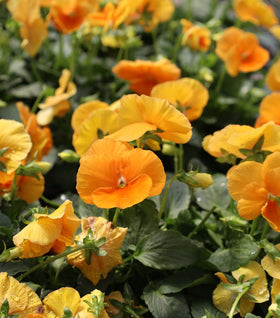
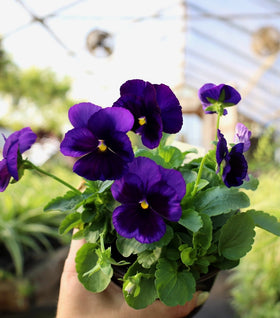
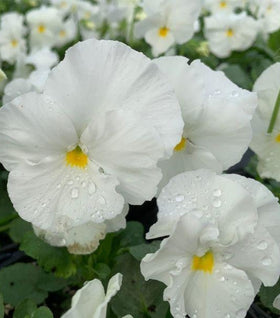

Yellow Pansies
As Low As $5.95
Fill beds with cool-season color, fast.
Pansies are made for the moment when you want your landscape to look alive again—right when summer annuals are tired or when spring beds still feel bare. They’re especially popular for fall planting because cool weather keeps plants tight, colorful, and energetic; in regions with fewer hard freezes, the same planting can keep flowering through winter and then continue in spring. That “one planting, long runway” effect is why pansies show up everywhere from home entry beds to commercial landscapes—they deliver a lot of visual impact without a complicated plan.
They’re also incredibly easy to place in a design. Mass them in big drifts for a clean, professional look, edge a walkway for a bright welcome line, or use them to “patch” seasonal gaps where perennials and shrubs are between shows. Because they’re low-growing, pansies layer well in front of taller plants without hiding them, and they’re perfect for that crisp, tidy bed look that homeowners and installers both love. When spring bulbs emerge, pansies can act like living mulch—color at the soil level while the bulbs rise through.
Containers are where pansies really earn their keep. They’re an ideal mid-level filler in mixed pots because they stay compact, bring face-level color, and blend with almost any companion plant. Window boxes, porch pots, hanging baskets—pansies make all of them feel “finished” quickly, and you can swap colors seasonally without rebuilding the whole container. Just remember: containers dry faster than beds, so consistent moisture matters even more in pots.
Pick your colors and compact size.
The look is the fun part: pansies come in a wide range of colors (solids and bicolors) with that classic “painted face” effect, so you can go bold, pastel, or perfectly matched to your home’s exterior. Because they’re a consistent, low-growing annual, you can design with repetition—one color for a clean sweep, or two to three colors for a patterned pop that still feels intentional. This collection is built around that flexibility, letting you choose the vibe without changing the growth habit.
In terms of size, most pansies stay compact—often under a foot tall and wide —and many listings and guides place them roughly in the 6–12-inch range, depending on variety and conditions. That makes spacing simple and predictable, and it’s why pansies can be used both as a carpet in beds and as “gap fillers” in mixed plantings. Growth is fast in cool weather, so plants tend to fill in quickly after planting, especially when temperatures are in that comfortable spring/fall band.
Bloom timing is one of the biggest reasons people fall for pansies. They’re cool-season bloomers—best in fall, winter (in mild climates), and spring—then they usually stall or decline once hot weather settles in. That isn’t a failure; it’s their nature. Plan them as your shoulder-season color heroes: they shine when the forecast is crisp, and they hand off the stage when summer heat takes over.
Plant for cool-season performance.
Light is the lever that controls performance. Pansies grow best in full sun to part shade, but they stay nicer longer when they’re protected from intense afternoon heat—especially as spring warms up. A great real-world placement is morning sun with afternoon shade, or a bright spot that isn’t baking against reflective walls. That positioning helps keep plants compact, reduces stress, and supports better flower production across the season.
Soil should be fertile, well-drained, and consistently moist—think “even moisture” rather than soggy. Pansies don’t like waterlogged conditions, which is why good drainage is important in beds and containers. If you’re planting into heavier soil, loosening and improving the planting area helps roots move and can reduce the risk of root and crown rot, which is more common in warm, wet conditions.
Spacing is refreshingly straightforward: plan on roughly 6–10 inches apart for most bed plantings, slightly tighter for fast carpet coverage, and a little wider for distinct mounds. That spacing also improves airflow, which helps reduce fungal issues. In containers, use the same spacing logic—room for each plant to branch, but close enough to look lush quickly.
Keep blooms coming with simple care.
Watering is the main habit that separates “okay” from “wow.” Keep soil evenly moist, especially right after planting and during windy or sunny stretches when pots dry fast. Avoid extremes—letting plants wilt hard can reduce flowering, while keeping soil constantly soggy can invite root problems. If you water at the soil level (instead of splashing foliage), you’ll also reduce disease pressure in cool, damp weather.
Deadheading and trimming are your simple “pruning plan.” Pinch or snip off fading blooms to encourage continued flowering, and if plants get leggy later in the season, a light cutback can push fresh growth and a new flush of buds (as long as temperatures are still cool enough for pansies to perform). This is quick, satisfying maintenance—five minutes here and there that keeps displays looking crisp.