

Images Depict Mature Plants
White Pansies
Viola x wittrockiana
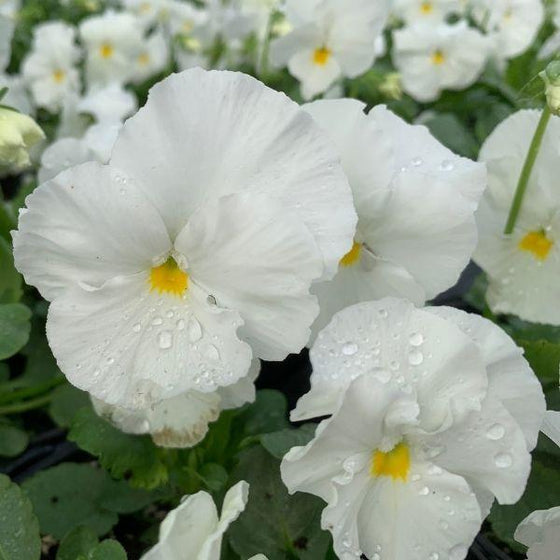
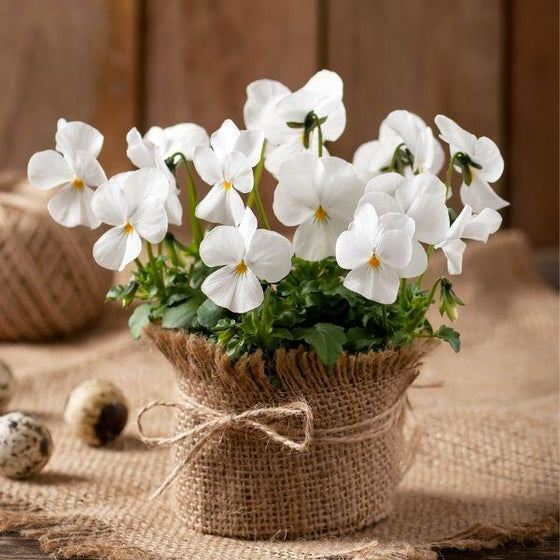
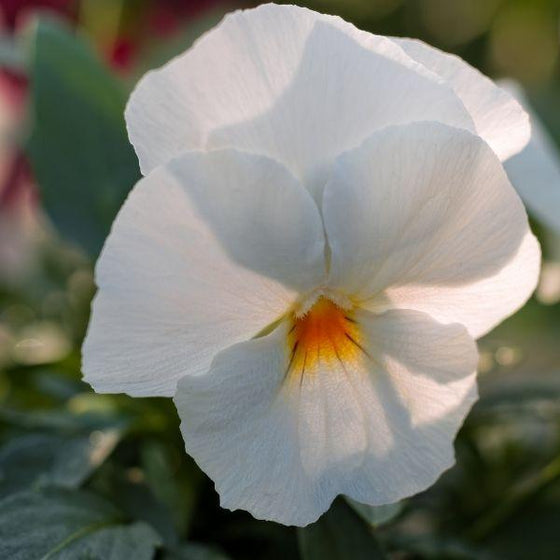
I love White Pansies because they make just about any seasonal planting look cleaner, brighter, and more finished. White is one of those colors that works with everything, so whether you are dressing up porch pots, refreshing a front border, or layering color into a fall or spring container, these slip right in and elevate the whole look. For easy cool-season color that feels crisp and timeless, they are always a smart pick.

Save Up to 25% On Your Order! Limited Time Only!
Discount Applied Automatically At Checkout
📦 Free shipping on orders over $99.
Share:


Crisp White Pansies for Cool-Season Beds and Containers
Bright White Color That Freshens Every Seasonal Planting
White Pansies are among the cleanest, most versatile ways to refresh the landscape as the seasons turn cooler. Their bright white blooms bring a crisp, polished look to porch pots, borders, entry beds, and mixed seasonal displays. Because pansies thrive in cool weather, White Pansies are especially valuable in fall and winter in milder climates, and in early spring, when homeowners still want strong flower color but many warm-season annuals are no longer performing well. Use White Pansies for fall planters and landscapes; fall-planted pansies can survive winter and bloom again in early spring.
That long cool-season window makes White Pansies an easy sell for shoppers who want immediate impact and a longer return from a seasonal purchase. White flowers also play especially well with almost everything else in the garden. They sharpen darker foliage, brighten evergreen pairings, soften holiday-style porch décor, and create a clean contrast against brick, stone, and mulch. For shoppers who want a flower color that feels timeless, flexible, and easy to design with, White Pansies are an especially strong choice.
A High-Impact Annual for Containers, Borders, and Entry Beds
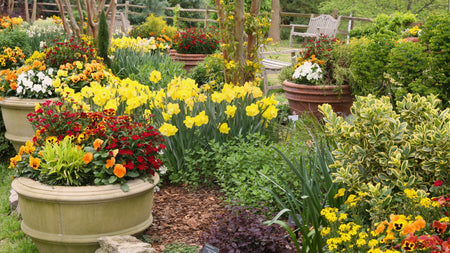
White Pansies are incredibly useful because they can function as both a focal flower and a blending flower. Plant them on their own for a crisp, monochromatic display, or weave them through mixed containers and beds to brighten neighboring colors. Their compact habit makes them ideal for front-of-bed planting, porch containers, mailbox beds, and walkways where blooms can be appreciated up close. They also work beautifully in combination with ornamental cabbage, purple pansies, silver foliage, evergreen accents, and spring bulbs.
That versatility widens the buying appeal. A single flat of White Pansies can upgrade a front entry, fill empty pockets in seasonal beds, or make tired containers look fresh again with very little effort. In smaller spaces, they offer high flower impact without crowding nearby plants. In larger plantings, they can be massed for a clean drift of color that feels bright, finished, and professionally arranged. Their compact size and cool-season bloom habit make them one of the easiest annuals to use effectively in both formal and casual designs.
Easy-Care Performance That Fits Real Life
White Pansies are easy to love because they deliver strong color without demanding expert-level care. They perform best in full sun to part sun, especially in cool weather, and they prefer moist, well-drained soil that stays evenly damp but not soggy. Deadheading spent blooms helps extend flowering, and a light feeding supports continued performance, especially in containers where nutrients wash through more quickly. Extension guidance consistently supports these basics for pansy success.
That simple care profile makes them especially attractive to everyday gardeners who want visible results fast. Plant them in the fall for the longest display window, keep them watered consistently, and clean up spent flowers as needed. In warmer periods, a bit of afternoon shade can help blooms hold longer, while in cool, bright weather, they stay compact and productive. For shoppers looking for a low-stress seasonal annual that still looks polished and abundant, White Pansies check all the right boxes.
A Smart Seasonal Purchase for Fall, Winter, and Early Spring
White Pansies are more than just another bedding annual. They are one of the easiest ways to decorate outdoor spaces for the cooler seasons. When homeowners want to refresh a porch, brighten an entry planting, or carry landscape color through fall and into spring, pansies offer fast payoff at a manageable size and price point. White is especially valuable because it works across styles, from classic and formal to cozy and festive, and it never competes too hard with surrounding colors or décor.
They are also ideal for the exact moments when gardeners are most likely to be reworking visible planting areas. Fall porch containers, winter entry pots in milder regions, and early spring beds all benefit from a flower that stays compact, blooms hard, and pairs with almost anything.
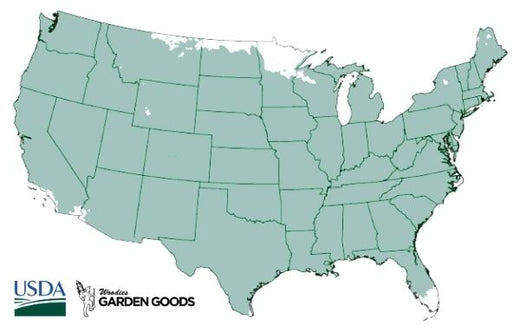
| Hardiness Zone: | 4-9 |
|---|---|
| Mature Height: | 6 to 8 Inches |
| Mature Width: | 6 to 8 Inches |
| Bloom Time / Color | Fall, winter in mild regions, and spring; white flowers |
| Soil Condition: | Rich, moist, well-drained soil |
| Sunlight | Full sun to part sun |
| Water Requirements: | Moderate; keep evenly moist, especially after planting |
| Wildlife Value | Flowers can attract butterflies and other pollinators |
| Resistance (deer/disease/drought/etc.) | Cool-weather performer; not suited for summer heat; best with good airflow and drainage |
| Landscape Uses | Containers, borders, mass plantings, porch pots, entry beds, seasonal color displays |
How to Care for White Pansies
Be sure to read about the recommended care instructions to keep White Pansies healthy and thriving!
-v1773329936040.png?92x91)
How should I plant White Pansies?
Plant White Pansies in full sun to part sun in loose, well-drained soil that stays evenly moist but not waterlogged. Set each plant at the same depth it was growing in the pot, firm the soil gently around the root ball, and water thoroughly after planting to settle everything in place. Fall planting is generally the best way to get the longest performance window from pansies. Use White Pansies where the bright flower color can be seen and appreciated, such as along walkways, near front entries, in porch pots, or at the front of mixed beds. In containers, combine them with trailing accents, evergreens, or other cool-season flowers for a fuller display. Good drainage matters because pansies bloom best when roots stay healthy and cool rather than sitting soggy.
-v1773329959006.png?89x84)
How often should I water White Pansies after planting?
Water White Pansies thoroughly right after planting, then keep the soil evenly moist while the plants establish and begin blooming. They are not drought-tolerant annuals, so the goal is to avoid letting the root zone dry out completely, especially in containers and raised planters where soil dries faster. After the first week or two, adjust watering based on weather, sun exposure, and soil feel. Cool, rainy conditions may require very little extra water, while sunny fall or spring stretches can dry out pots quickly. Watering earlier in the day is helpful, and keeping moisture consistent supports better flowering, healthier foliage, and a fuller overall look.
-v1773329983606.png?90x89)
When should I fertilize White Pansies?
Fertilize White Pansies at planting time with a balanced slow-release fertilizer or begin light feeding soon after planting, especially in containers. Because pansies bloom heavily in cool weather, steady nutrition helps support healthy foliage and continued flowering over a longer period. A light fertilization is especially useful in containers. Continue with light, regular feeding rather than heavy doses all at once. Container-grown plants usually need more attention because nutrients wash through faster with watering. In garden beds with improved soil, a lighter approach is often enough to keep the planting looking fresh without pushing overly lush growth.

When and how should I prune White Pansies?
White Pansies do not need pruning like shrubs do, but they benefit greatly from regular deadheading and light cleanup. Remove faded flowers as they finish to encourage new buds and keep the planting looking crisp. If stems become stretched or leggy, trim them back lightly to refresh the shape and encourage fuller regrowth. Deadheading is specifically recommended to prolong bloom. Do this throughout the bloom season whenever spent flowers begin to pile up or the planting starts to look tired. A quick cleanup every week or so can make a noticeable difference in performance and appearance. In mixed containers, this also helps White Pansies stay visible and balanced with neighboring plants.