
Summer-Blooming Perennials for Lasting Color & Pollinator Appeal
Big color, long bloom, and pollinator power for the hottest months.
Summer-blooming perennials are how you keep the garden looking “just planted” long after spring has passed—without redoing beds every week. The magic is in the variety: you can mix airy bloomers, bold foliage plants, and textural grasses, so something is always carrying the scene. This collection leans into proven summer performers like lavender, liriope, fountain grass, milkweed, cardinal flower, and black-eyed Susan, giving you options for full-sun borders, pollinator pockets, and low-maintenance foundation color. When you plant perennials with staggered bloom times and different habits, you get a landscape that stays lively through heat, vacations, and the everyday hustle—plus plants that come back stronger each year.
If you want “blooms all summer,” the care strategy is refreshingly simple: deadhead what you can, cut back the right plants at the right time, and keep watering consistently while roots establish. Extension guidance notes that many perennials naturally bloom for a few weeks, and deadheading can encourage longer bloom or repeat flowering depending on the species. Some perennials (like garden phlox and autumn joy sedum) can also be pruned back once or twice in early summer before mid-July to adjust height and bloom timing—an easy trick for fuller plants and a longer show. Pair that with decent airflow, a little mulch, and basic pest scouting, and summer color becomes dependable rather than demanding.

Airbrush Effect Hardy Hibiscus
$32.95







Berry Awesome Hardy Hibiscus
As Low As $39.95
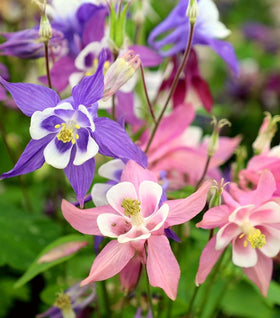


Blackberry Merlot Hardy Hibiscus
As Low As $32.95

Bleeding Hearts Heliopsis
$29.95


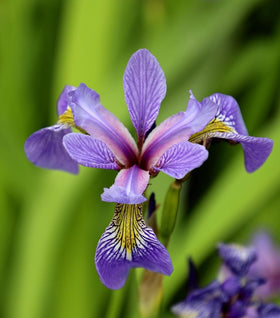
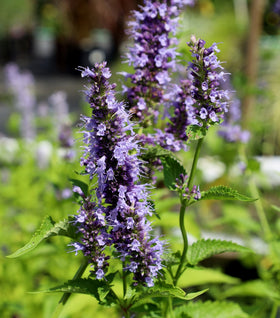

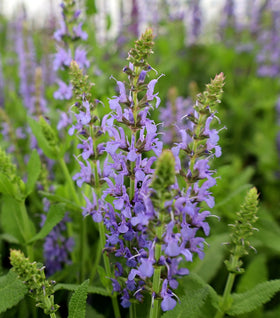
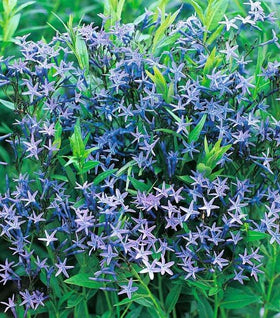


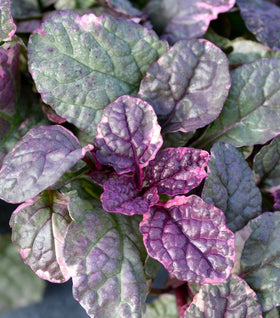

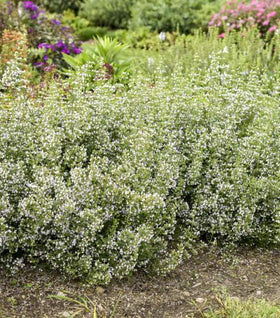
Calamintha Nepeta Calamint
As Low As $27.95

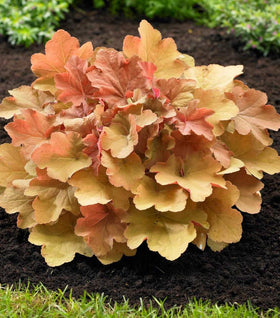


Cheyenne Spirit Coneflower
As Low As $18.95


Lock in summer color with perennials that keep flowering.
Summer-blooming perennials are built for the moment when gardens can fade—hot days, strong sun, and weeks when you’d rather enjoy the patio than constantly replant. The best picks don’t just flower once; they either bloom for a long window or respond well to deadheading and light trimming that encourages more buds. That’s why long-season favorites are so valuable in mixed borders: they hold color between “big events” like spring bulbs and fall asters, so the landscape never looks like it’s between seasons. Deadheading is a key tool here, because it redirects energy away from seed production and (for many species) toward continued flowering.
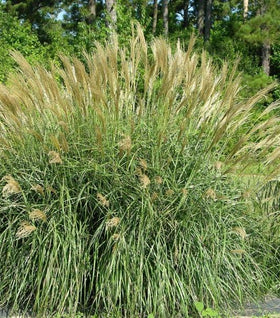
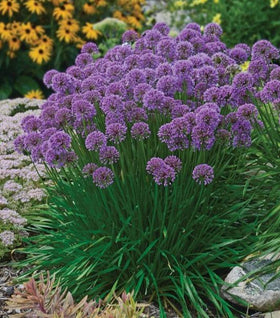
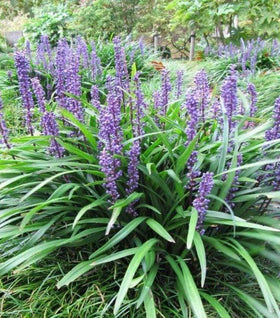
This collection also makes it easy to design with intention. You can combine classic color-makers with structural plants so the bed looks full even when a flush of blooms pauses. Grasses add movement and texture, while bloomers provide that “stop-and-stare” color pop—together they read richer and more finished than flowers alone. On the page you’ll see a mix that supports this approach, including lavender, liriope, fountain grass, and milkweed—great building blocks for borders, mass plantings, and modern meadow-style edges.
For containers, summer perennials are the upgrade that keeps pots from peaking in June and then coasting through the summer. Choose compact, sun-loving perennials for the “main actors,” then layer in textural foliage and grasses for spill and shape. The payoff is less replanting, fewer mid-season gaps, and a look that stays intentional from early summer through late summer—especially when you keep up with quick snips of spent blooms and a steady watering rhythm.
Choose the look you want, from soft texture to bold bloom.
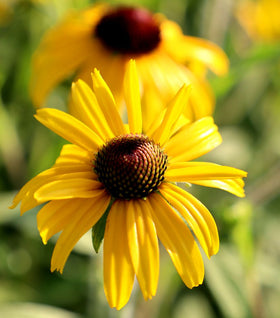
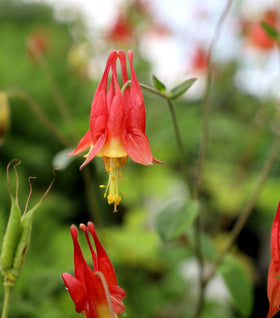
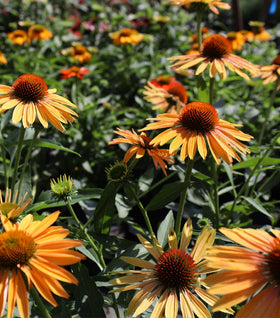
Summer interest isn’t one style—it’s a menu. If you love clean, calming color, lavender brings soft purple tones and fragrant bloom while still reading “neat” in the landscape. If you want bold, high-saturation color, choices like black-eyed Susan and cardinal flower create immediate impact and photograph beautifully in mass. If texture is your thing, liriope and ornamental grasses add fine-to-medium blades that contrast perfectly with big flowers and broad leaves, giving beds that layered, designer feel.
Mature size and growth rate vary widely across summer perennials, which is a benefit when planning placements. Use taller bloomers and grasses toward the back of beds or as repeating anchors, then fill the front edge with compact, tidy plants that soften borders and paths. When you plan for height at maturity (not just what’s in the pot), you reduce shading and increase airflow—two details that influence performance and reduce the odds of common issues like powdery mildew showing up when weather conditions favor it.
Seasonal interest also isn’t limited to flowers. Many summer perennials carry the show with foliage shape, texture, and seed heads that hold up after bloom—especially when you pair flowers with grasses. This “flowers + structure” strategy is what keeps beds looking full and intentional from July through September, even when individual plants cycle in and out of peak bloom. And when you deadhead selectively, you often get cleaner foliage and better repeat flowering in the same season.
Plant them where they thrive and bloom hardest.
Most summer bloomers do their best work in full sun, especially varieties selected for heat tolerance. Aim for the brightest part of the yard (often 6+ hours of sun), then match plant choices to the site—full sun borders, hot driveway edges, or part-sun beds that get morning light and afternoon shade. For pollinator value, sunny placements are a double win: you get better flowering, and pollinators tend to be more active in warm, bright conditions.
Spacing is one of the easiest ways to set up success—especially for long-blooming summer beds. A practical spacing range for many perennials is about 12–24 inches on center, but it should always be adjusted to the plant's mature spread and whether you want a quick fill-in look or more breathing room. More airflow helps foliage dry faster after rain or watering, which can reduce the severity of foliar issues like powdery mildew and leaf spots that commonly show up across many perennials.
Functionally, summer perennials can do a lot of jobs beyond “pretty.” Milkweed supports pollinators; grasses can help visually soften slopes and edges; and sturdy, repeat-blooming perennials can keep foundation beds looking fresh when shrubs are between bloom cycles. For containers, choose compact plants and keep them where you can water consistently—because pots dry faster than in-ground beds during peak summer heat.
Keep blooms coming with easy care and smart trimming.
Deadheading is the simplest “high impact, low effort” habit for summer perennials. Extension guidance explains that many perennials bloom for a relatively short stretch, and removing spent flowers can extend bloom or encourage repeat flowering for certain plants. The technique matters (some need cuts to the next bud/leaf; others need the entire flower stalk removed), but the concept is consistent: don’t let the plant spend the rest of the season making seed if your goal is more flowers.
A second tool is strategic summer pruning for specific perennials. Guidance from the University of Maryland Extension notes that plants like garden phlox and autumn joy sedum can be pruned once or twice in the summer before mid-July to stagger height or bloom time, while some types (like lilies with one leafy stalk, and iris with leafless flowering stalks) should not be pinched back before bloom. That’s a great rule of thumb for “summer bloomers”: cut back the right plants early to reset the show, but don’t shear everything indiscriminately.