
Quart-Size Perennials for Easy Planting & Lasting Garden Color
Smart starter plants that fill gardens beautifully—one season at a time
Quart-size perennials are the quiet “smart buy” in gardening: big enough to be landscape-ready, small enough to plant easily, and priced in a way that lets you design with confidence—more plants, more variety, more coverage. A quart is a standard container size widely used for perennials (and commonly offered alongside 1-gallon options), so you’re not buying a tiny plug—you’re buying a rooted perennial that’s ready to go in the ground or into a larger pot. The real win is momentum: quart plants help you build drifts, edge a walkway, or fill that “what do I do here?” bed without turning a shopping list into a budget negotiation.
This collection is designed to educate—because “best” depends on your goal. Quart-size perennials are ideal when you want to plant in multiples, experiment with color, or cover ground efficiently; 1-gallon perennials are fantastic when you want more immediate impact, slightly more drought buffer early on, or you’re filling a focal spot where size matters right away. Either way, the success rules stay the same: plant at the same depth as the pot, water well at planting time, and stay consistent through establishment—especially in the first few weeks. We back your decisions with the We Grow Together Promise.


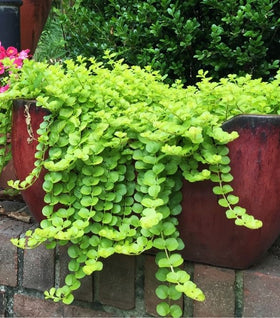
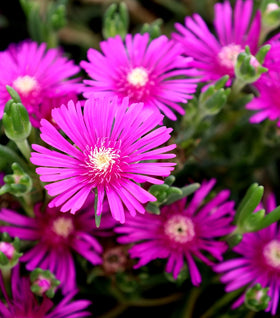
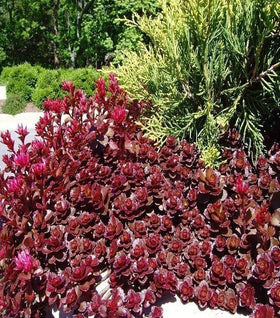
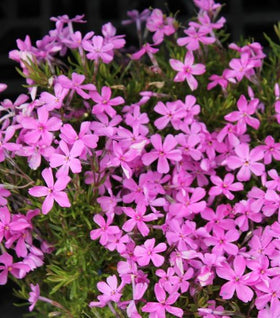
Emerald Pink Creeping Phlox
As Low As $18.95


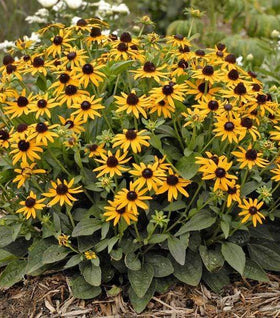
Goldsturm Black Eyed Susan
As Low As $18.95

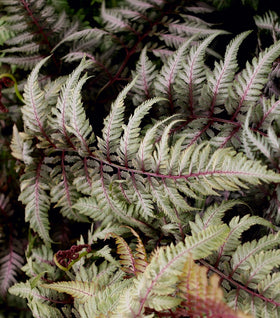


Lily of the Valley
As Low As $19.95
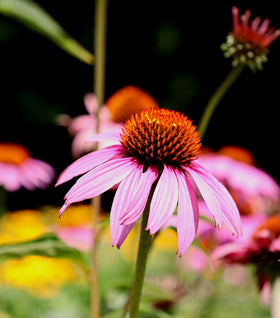

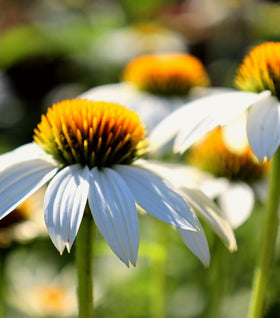


Start a bigger garden for less.
Quart-size perennials make it easier to plant the way designers and pros plant: in groups. Instead of one plant here and one plant there, you can create repeats and drifts that look intentional, along borders, around patios, or as a clean, low-maintenance “fill” between shrubs. That mass-planting effect is often what turns a yard from “newly planted” into “pulled together,” and quart sizes help you get there without needing a massive planting budget.
They’re also the easiest size for DIY planting days. The holes are smaller, the plants are lighter, and you can move through a project faster, especially when you’re doing a new bed edge, refreshing tired foundation plantings, or adding color in sunny and part-shade zones. That convenience matters because most successful gardens are built in phases, and quart perennials make “phase one” feel achievable.
And importantly: choosing quart-size doesn’t mean you’re “downgrading” from 1-gallon, it’s simply choosing a different strategy. Quart plants shine when you want coverage, variety, and flexibility; 1-gallon plants shine when you want immediate presence. Many gardeners mix both sizes in the same bed using 1-gallon plants as anchors and quart-size plants to fill, connect, and finish the composition.
Know what quart size means and what to expect.
A quart perennial is typically grown in a 1-quart container, a standard offering for perennials sold online and in nurseries. In practical terms, this means you’re getting a plant with a solid, functional root system, often described as “landscape-ready”, that’s prepared to transition into your garden soil and grow on quickly once established.
Because this is a mixed perennial collection, bloom window, mature size, and growth rate will vary by plant; some bloom in spring, others in summer or fall, and many die back in winter and return from the crown each year. The consistent advantage of quart size is how efficiently it lets you plant the perennials you want in the quantities you need, then enjoy the natural “year-over-year” expansion they're known for.
When customers compare quart to 1-gallon, the fairest expectation is “time vs. impact.” A 1-gallon plant often shows bigger immediately, while a quart plant often catches up faster than people expect, especially when planted at the right depth and watered consistently through establishment. The win is picking the right tool for the job: instant focal-point presence, or efficient bed-filling coverage.
Plant them where they establish fastest.
Most perennials perform best when their light needs match the site (full sun, part shade, or shade), and quart-size plants benefit from that match even more because early establishment is everything. When the plant is in the right light, it builds roots and top growth smoothly, setting you up for better flowering and a sturdier clump in the seasons ahead.
Spacing should be planned based on the perennial’s mature width, not the pot size, because the pot is just the starting point. Quart perennials are perfect for tighter initial spacing when you want a “filled-in” look sooner, but long-term success still depends on giving plants room to mature, breathe, and avoid crowded, disease-friendly humidity—especially in thicker borders.
Quart size also opens the door for containers and small-space gardening. You can start quart perennials in patio pots for seasonal impact, then transplant into the landscape later, or you can up-pot into larger containers as they grow. Just remember that containers dry out faster than in-ground plantings, so water checks need to be more frequent when plants live in pots.
Keep care simple and watch them take off.
Planting technique matters more than pot size: water the plant before planting, set it at the same depth it grew in the container, firm the soil gently, and water thoroughly to settle roots. Those fundamentals reduce stress, improve early root-to-soil contact, and help quart perennials transition quickly from “nursery plant” to “garden plant.”
After planting, your biggest job is to maintain consistent moisture during establishment. Quart-size perennials can dry faster than larger pots because they have less soil volume around the root ball at planting time, so a steady watering cadence in the first few weeks is what prevents setbacks. Mulch helps moderate moisture swings and keeps the root zone more stable as plants settle in.
For pruning and cleanup, treat perennials as perennial plants, not as “pot sizes.” Many die back seasonally and re-sprout from the crown; others benefit from deadheading to extend bloom; and most appreciate a seasonal tidy-up based on their growth habit. The right timing varies by plant, but the guiding principle is consistent: support healthy regrowth and reduce disease pressure by removing declining foliage when appropriate.