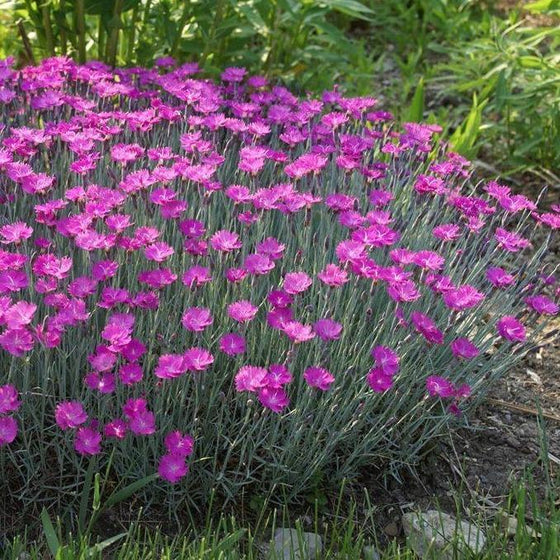

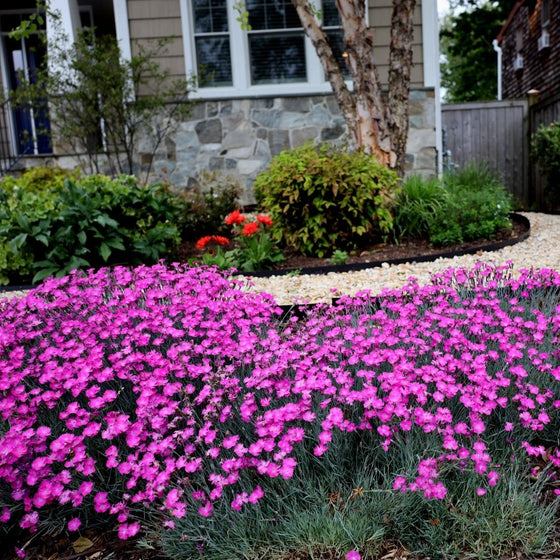
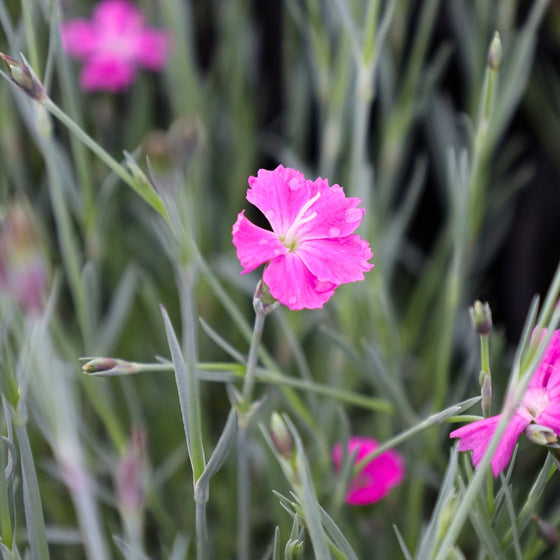


Images Depict Mature Plants
Firewitch Dianthus
Dianthus 'Firewitch'
Firewitch is one of those perennials that gives you a lot without asking for much space. I like it because the flower color is bright and easy to notice, the blue-gray foliage keeps the plant useful even when it is not blooming, and the fragrance is a real bonus. It is also nice knowing it brings deer resistance and easy-care performance to the landscape at the same time.

15% OFF SITEWIDE SUMMER SALE
Use Code HELLOSUMMER15 at Checkout!
📦 Free shipping on orders over $99.
Delay shipping by leaving us a message at Checkout.
Share:Recommended Add-Ons



Fragrant Pink Blooms and Evergreen Blue Foliage
A Dianthus With Electric Pink Color and Lasting Appeal
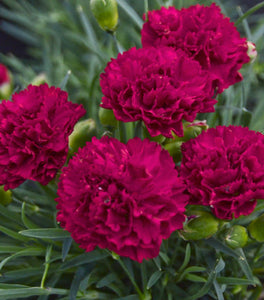
Firewitch Dianthus is one of the most popular dianthus varieties for homeowners who want bright flower color in a compact, easy-to-use perennial. Its vivid magenta-pink blooms seem to glow above the foliage in spring and early summer, giving the garden a burst of color that feels crisp, cheerful, and highly visible. The flowers may be small, but the color impact is strong enough to make this plant stand out in borders, edging, and rock gardens.
That bloom color is one of the biggest reasons people choose it. It gives a planting a bold accent without taking up much space, which makes it especially useful in smaller landscapes where every plant needs to contribute something memorable.
Blue-Gray Evergreen Foliage Keeps the Plant Attractive Beyond Bloom
One of the strongest reasons to plant Firewitch Dianthus is that it still looks good when it is not flowering. The foliage forms a neat mound of blue-gray evergreen leaves, adding texture and cool-toned color to the garden throughout much of the year. That means the plant continues to contribute structure and contrast long after peak bloom has passed.
This evergreen character makes Firewitch especially useful for edging, gravel gardens, and mixed perennial borders, where its clean, low-growing foliage helps tie the planting together. The foliage color also pairs beautifully with stone, darker mulch, silver plants, and other sun-loving perennials.
A Fragrant Perennial for Walkways, Patios, and Close-Up Planting
Firewitch is also valued for its fragrance. The flowers carry the classic spicy clove scent that makes dianthus so rewarding near patios, walkways, and entry beds. It is the kind of plant that adds a little more personality to the garden, offering scent as well as color.
That makes it especially effective where people will pass by or spend time nearby. In those settings, Firewitch feels like more than just a low border plant. It becomes part of the overall garden experience.
A Great Fit for Edging, Rock Gardens, and Dry Sunny Beds
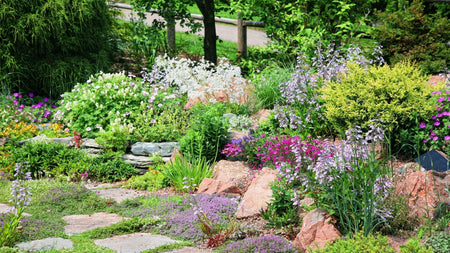
Firewitch Dianthus works especially well in places where a low, tidy perennial is needed. It is ideal for front-of-border planting, path edging, rock gardens, alpine-style spaces, and decorative containers where a compact mound of color and texture can really shine. It also looks excellent when planted in small drifts, where the flowers and blue foliage can create a more unified effect.
Because it stays relatively low and tidy, it is easy to work into both more formal designs and relaxed cottage-style plantings. Homeowners who want a perennial that feels polished without being stiff often find Firewitch to be a very reliable choice.
Deer Resistance and Easy-Care Performance Add Practical Value
Firewitch Dianthus performs best in full sun and well-drained soil, especially in areas that do not stay overly wet. Once established, it is relatively drought-tolerant and low-maintenance, which makes it a practical choice for sunny landscapes. It is also generally considered deer-resistant, which adds real value in gardens where browsing can be a concern.
For homeowners who want a fragrant evergreen dianthus with brilliant pink flowers, blue-gray foliage, deer resistance, and dependable garden performance, Firewitch Dianthus is one of the best choices available.
2005 Perennial Plant of the Year

| Hardiness Zone: | 3-9 |
|---|---|
| Mature Height: | 6 to 8 Inches |
| Mature Width: | 12 to 18 inches |
| Sunlight: | Full |
| Water Requirements: | Regular moisture during establishment; drought tolerant once established |
| Soil | Well-drained soil |
| Bloom Time / Color | Spring to early summer; vivid magenta-pink flowers |
| Ornamental Features | Blue-gray evergreen foliage, fragrant blooms, compact mounding habit |
| Wildlife Value | Pollinator-friendly blooms |
| Resistance (deer/disease/drought/etc.) | Deer resistant, drought tolerant, low maintenance |
| Landscape Uses | Edging, rock garden, front of border, container planting, gravel garden, groundcover accent |
How to Care for Firewitch Dianthus
Be sure to read our planting instructions to ensure a healthy and happy Firewitch Dianthus plant for years to come!
-v1745247610180.png?92x91)
How should I plant Firewitch Dianthus?
Plant Firewitch Dianthus in full sun in well-drained soil where it has room to develop its low mounding shape. Dig a hole about twice as wide as the root ball but no deeper than the root ball itself, then set the plant so the crown sits at soil level. Water thoroughly after planting and keep mulch pulled slightly back from the crown so the base does not stay too wet. This dianthus works especially well in edging, rock gardens, border fronts, and decorative containers. It looks best where the blue-gray foliage and fragrant flowers can be appreciated up close.
-v1745247639587.png?89x84)
How often should I water Firewitch Dianthus after planting?
Water deeply right after planting and keep the soil evenly moist during the first growing season. Deep watering is more helpful than frequent shallow watering because it encourages stronger root development and helps the plant establish itself more successfully. Once established, Firewitch Dianthus is fairly drought-tolerant and usually needs only occasional watering during extended dry periods. It performs best when the soil drains well and does not stay soggy.
-v1745247656000.png?90x89)
When should I fertilize Firewitch Dianthus?
Firewitch Dianthus usually does not need heavy feeding. A light application of balanced slow-release fertilizer in early spring is usually enough if the plant appears to need support. In many gardens, good drainage and full sun are more important than frequent fertilization. Too much fertilizer can encourage softer growth and reduce the compact, tidy habit that makes this plant so useful. A moderate approach is generally best.

When and how should I prune Firewitch Dianthus?
Firewitch Dianthus usually needs only light grooming. Deadheading spent flowers can help keep the plant tidier and may encourage additional bloom. If the foliage starts to look tired after flowering, a light trim can help freshen the mound. In late winter or early spring, you can clean away any brown or winter-damaged foliage. In most cases, a simple seasonal cleanup is enough to keep the plant healthy and attractive.