
Thyme Plants
Small plants. Big fragrance. Reliable flavor and groundcover charm.
Thyme is one of those “plant it once, use it forever” staples—equally at home in a kitchen garden, tucked into a sunny border, or spilling over the edge of a pot. It thrives in bright light and well-drained soil, staying compact while offering aromatic foliage you can brush past and instantly smell. Depending on the type, you’ll see either a tidy mound for culinary harvest or a low, spreading mat that weaves between stepping stones and softens hard edges. And when it blooms (typically in summer), those tiny flowers bring a surprising burst of color and pollinator activity for such a small plant.
The secret to great thyme is keeping it simple: sun, drainage, and restraint with watering. Overly rich or constantly wet soil is where thyme starts to struggle, so a leaner, fast-draining spot often outperforms “perfect” garden loam. Snip lightly to keep plants from getting woody, harvest just before flowering for peak aroma, and give spreading types a little breathing room so they can knit into the space without crowding neighbors. You’ll also have extra confidence knowing true thyme (Thymus vulgaris) is listed as non-toxic to dogs and cats—and you’re backed by the We Grow Together Promise.
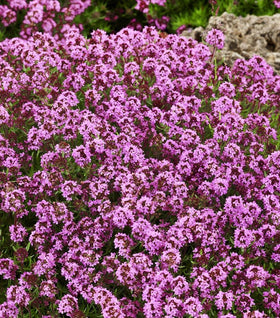
Red Creeping Thyme
As Low As $16.95
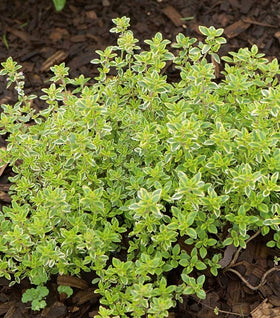
Variegated Lemon Thyme
As Low As $12.95
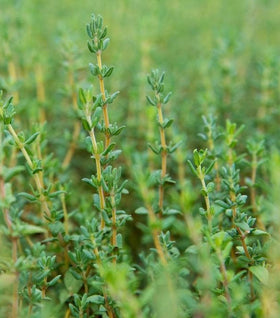
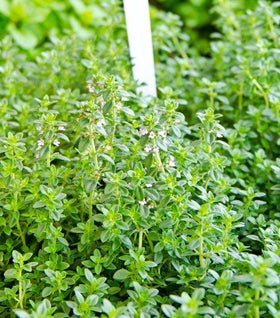
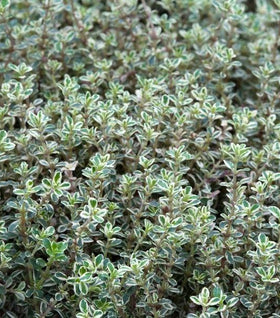

Elfin Thyme
As Low As $15.95
Turn sunny spots into fragrant, usable planting.
Thyme is a high-value plant for everyday landscapes because it earns its keep in multiple ways: it’s decorative, aromatic, and genuinely useful. In beds and borders, it reads as a neat, fine-textured evergreen-ish accent in mild winters, and it pairs beautifully with other Mediterranean-style plants that like sun and lean soil. In herb gardens, it’s a dependable cut-and-come-again performer when you harvest thoughtfully, and the fragrance alone makes it a joy to plant near paths and patios.
This collection commonly includes options like English thyme, lemon thyme, and variegated lemon thyme—giving you choices for classic culinary flavor, citrusy fragrance, and foliage interest that brightens containers and edging. If you’re shopping for groundcover performance, creeping thyme types are the go-to for tucking into sunny cracks and along hardscapes, where they can soften stone and release fragrance under light foot traffic.
Thyme also fits the way real gardens are used: it’s great for homeowners who want low-maintenance plantings, landscapers who need reliable edging texture, and avid gardeners who like “pretty + practical” plants that do more than just sit there. Once established, thyme is often described as drought-tolerant and generally prefers a bit of drying between waterings—making it a strong pick for sunny, fast-draining areas that punish thirstier plants.
Get the flavor, foliage, and flowers you’re after.
Common (culinary) thyme, Thymus vulgaris, typically forms a compact mound around 6–12 inches tall, with a spread often described in the 6–16 inch range—an easy size to tuck into raised beds, border fronts, and containers. The foliage is small, aromatic, and concentrated, and many gardeners find it naturally less appealing to browsing because of the strong oils.
Creeping thyme (often sold as Thymus serpyllum or related species/cultivars) stays much lower—commonly just a few inches tall—while spreading to create a mat. It’s ideal when you want coverage, not height: between pavers, along a sunny slope, or as a low border that looks intentional without constant trimming. In good conditions, it can spread widely by rooting along stems, so it’s best used where you want that gentle roaming effect (or where edging can keep it tidy).
Bloom is part of the charm: thyme typically flowers in summer, and creeping types often put on a surprisingly showy display of small pink-to-purple blooms that draw bees and other pollinators. If your goal is maximum flower impact, groundcover thyme is usually the better visual choice; if your goal is maximum kitchen harvest, mound-forming culinary thyme is the classic workhorse.
Plant it right once, then let it cruise.
Thyme performs best with full sun—commonly recommended at 6–8 hours of direct light—and soil that drains quickly. If you’re planting in a hot microclimate (reflective walls, gravel courtyards), thyme often appreciates the same thing many sun herbs do: bright mornings and enough airflow, so foliage dries fast after rain or irrigation. Containers work extremely well as long as the pot drains freely and the mix isn’t kept constantly damp.
For spacing, plan wider than you think if you want long-term health. Many guides recommend spacing thyme roughly 12–24 inches apart, which gives plants room to branch, improves airflow, and reduces the “woody middle” problem that can happen when thyme is crowded and shaded by neighbors. For creeping thyme used as a groundcover, you can tighten spacing for faster knit-in, but expect plants to fill and spread over time.
Placement ideas that actually work: use culinary thyme near a grill or kitchen door for quick snips, ring a sunny patio pot with variegated lemon thyme for bright foliage, and reserve creeping thyme for sunny hardscape edges, paver joints, or dry banks where it can drape and roam. If you’re using it between stepping stones, keep expectations realistic—thyme tolerates light foot traffic, but it’s happiest when it’s brushed by passersby, not stomped like a lawn.
Keep thyme lush, not woody, with easy upkeep.
Watering is where most thyme trouble starts: it’s far more likely to suffer from overwatering than underwatering once established, and soggy conditions can invite root rot. Let the soil dry between waterings, avoid overhead irrigation when possible, and prioritize drainage—especially in containers and heavier native soils. If you want a simple success rule: thyme likes “bright, warm, and dry-ish,” not constantly moist.
Pruning and harvesting overlap nicely. For culinary thyme, harvesting just before flowering is commonly recommended for peak essential oils, and routine snipping helps keep plants dense. When you prune, avoid cutting hard into old woody stems; instead, trim the softer green growth to encourage branching and reduce the bare, woody center that can develop with age.
Cautions to know (so you’re never surprised): Thyme is generally low-maintenance, but spider mites and aphids can show up during hot, dry stress, and fungal problems like root rot are most associated with excess moisture and poor drainage. On pet safety, true thyme (Thymus vulgaris) is listed as non-toxic to dogs and cats—just be careful with name confusion, since “Spanish thyme” is often used for an unrelated plant (Coleus amboinicus) that appears on toxic plant lists for cats.