
Abelia Shrubs for Long-Lasting Blooms & Pollinator Appeal
Long-Blooming Color And Glossy Foliage For Borders, Foundations, And Hedges
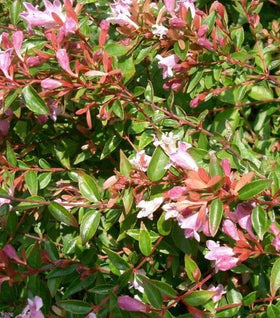
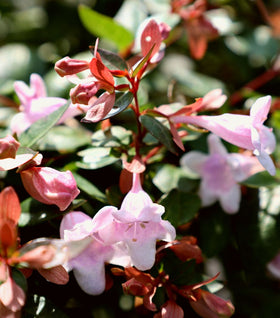
If you want a shrub that keeps showing up—month after month—abelia is one of the easiest wins you can plant. It’s known for a long season of soft, tubular blooms (often white to pink), plus foliage that stays attractive even when nothing else is flowering. In mild climates, many abelias hold leaves well into winter, giving you that semi-evergreen structure that keeps beds looking finished. Whether you’re building a foundation planting, filling a mixed shrub border, or softening a fence line with an informal hedge, abelia brings the kind of steady “always looks good” presence that homeowners and landscapers both appreciate.
Ordering abelia shrubs online is simple when you shop with the right goal: more sun means more flowers, and good drainage keeps plants happier long-term. Most care references note abelia thrives in full sun to part shade in well-draining soil, with regular watering during establishment and drought tolerance once rooted. And here’s the best practical detail—many abelias bloom on new growth, so a late-winter pruning sets you up for a strong flowering season instead of cutting off buds. Order with confidence: fast shipping, expert support, and the We Grow Together Promise.
Add long-blooming color that stays easy.
Abelia is a high-value shrub choice when you want a landscape that looks lively for more than a few weeks. Many guides highlight its long bloom season and low-maintenance habit, making it ideal for busy homeowners who still want consistent color in summer and into fall. It’s also an excellent “connector” plant in design—soft blooms, neat foliage, and a mounded/arching form that blends beautifully between evergreens and perennials.
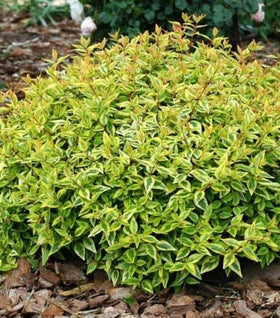
This collection makes it easy to shop by outcome. Want compact foliage color for the front of beds or containers? Dwarf types like ‘Kaleidoscope’ are widely used for bright, multi-season leaf color in a smaller footprint. Want a fuller, classic flowering shrub for borders and informal hedges? Glossy abelia types (Abelia × grandiflora and cultivars) are frequently recommended for foundation plantings, slopes, and mixed borders.
And if browsing pressure is part of the equation, abelia is often described as deer-resistant in many landscapes (local conditions vary), which can be a helpful edge when you’re trying to reduce repeat damage.
Enjoy glossy foliage and a steady stream of blooms.
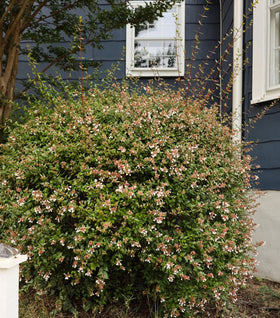
Abelia’s look is all about polish with movement: small leaves, arching branches, and clusters of tubular flowers that keep coming. In warmer areas, it can be semi-evergreen to evergreen, so you keep structure and color beyond the growing season. That’s a big reason abelia works so well near entries and along foundations—these are places you see every day, and abelia tends to keep them looking “put together.”
For shoppers who love foliage color, certain cultivars are selected specifically for changing leaf tones through the seasons—golden, chartreuse, and warm autumn hues—so the plant stays interesting even between bloom flushes. And for those who want a reliable size range, popular cultivars like ‘Edward Goucher’ are commonly listed around 3–5 feet tall and wide in many references, with a rounded, arching habit.
The key visual planning move is repetition. Abelia looks especially premium when planted in a rhythm—two, three, or five shrubs repeated—because the form is naturally tidy and the bloom habit reads soft and abundant instead of spotty.
Place it for performance in sun or part shade.
Abelia is flexible, but placement still matters. Most guidance notes it performs best in full sun to part shade, with heavier flowering in brighter conditions. Aim for well-drained soil (improve heavy clay with organic matter), and avoid sites that stay soggy after rain.
Spacing depends on mature size and your goal. For medium abelias like ‘Edward Goucher,’ references commonly recommend spacing of about 60 inches (about 5 feet) to allow full shape and airflow. For compact color cultivars, you can plant closer for faster “mass” impact, but still plan around the mature spread so you don’t force constant pruning.
Abelia also works well on slopes and in mixed borders because it’s often described as drought-tolerant once established and supported by a strong root system—useful where irrigation is inconsistent.
Prune once, water smart, and let it bloom.
Care stays simple when you follow a reliable routine: water regularly during the first season, then shift to deep watering during extended dry spells as plants establish. Many sources describe abelia as relatively drought-tolerant once rooted, which keeps maintenance manageable. A spring mulch refresh helps conserve moisture and supports steady growth.
Pruning is the real “secret weapon” for maximum flowering and a tidy shape. Multiple references note glossy abelia blooms on new wood and recommend pruning in late winter to early spring before new growth begins—so you don’t sacrifice the flower season. Keep it light: remove dead/damaged branches, thin for airflow, and trim to maintain the natural mounded form rather than shearing into a box.
Fertilizing is typically modest—compost or a light spring feed is often enough—because abelia’s best look comes from good siting, drainage, and consistent establishment watering. Do those basics, and you’ll get the payoff you’re shopping for: a long-blooming, low-maintenance shrub that keeps your landscape looking fresh—backed by the We Grow Together Promise.