
Phlox Plants for Fragrant Blooms, Lasting Color & Pollinators
Carpets of spring color and towers of summer fragrance—easy, classic, and pollinator-loved.
Phlox is one of those “plant it once, enjoy it for years” classics—because it covers more than one job in the landscape. Low-growing creeping/moss phlox (Phlox subulata) knits into a dense mat that spills over walls, brightens rock gardens, and helps stabilize slopes with spring blooms. Taller garden phlox (Phlox paniculata) takes over in summer with big, fragrant flower clusters that pull in butterflies and hummingbirds, making it a natural fit for borders, foundation beds, and cutting gardens. And if you garden in shadier spots, woodland phlox (Phlox divaricata) brings soft spring color where many sun-lovers won’t cooperate. In other words: one collection, multiple seasons, and options for everything from sunny curb-appeal drifts to shade-garden edges.
Here’s how you make phlox look “professionally planted” with very little fuss: give it the right light, leave breathing room for airflow, and use small, well-timed trims instead of constant maintenance. Tall garden phlox performs best with plenty of sun and good air circulation (crowding and shade invite disease), while creeping phlox flowers best in full sun and can be cut back after bloom to keep it dense and tidy. Deadheading tall phlox also keeps plants looking clean and can extend the show, and dividing every few years refreshes vigor. That’s the We Grow Together Promise—simple guidance that gets you to thick coverage, cleaner foliage, and a longer season of color.

Candy Stripe Creeping Phlox
As Low As $16.95
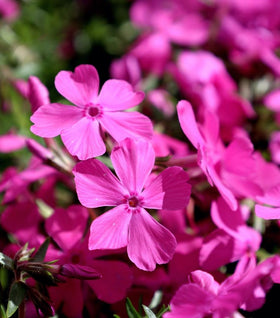
Drummond’s Pink Creeping Phlox
As Low As $16.95
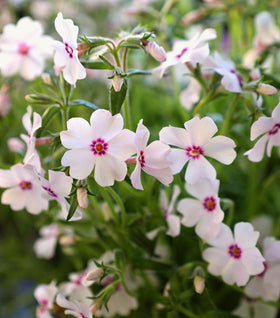
Amazing Grace Creeping Phlox
As Low As $16.95
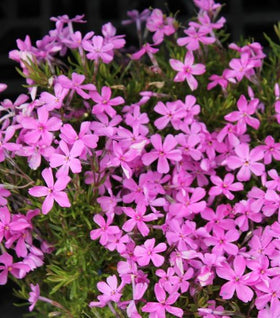
Emerald Pink Creeping Phlox
As Low As $18.95

Purple Beauty Creeping Phlox
As Low As $18.95

Emerald Blue Creeping Phlox
As Low As $18.95

Phlox Scarlet Flame
As Low As $16.95

Jeana Garden Phlox
As Low As $32.95


Sherwood Purple Woodland Phlox
$29.95

Turn bare spots into color fast.
Phlox is one of the quickest ways to make a bed look finished, because it comes in multiple “roles.” Creeping/moss phlox forms a low, spreading mat (often just a few inches tall) that fills gaps, softens hard edges, and creates that springtime carpet effect along walkways and sunny slopes. It’s a favorite for rock gardens and walls because it naturally drapes and stitches planting pockets together without looking fussy.
Garden (tall) phlox does the opposite job—vertical color and fragrance—right when many spring perennials are resting. Bloom timing is typically mid-summer into early fall, depending on cultivar and climate, with large, showy flower clusters held above foliage. In borders, it reads as “backbone bloom,” especially when planted in repeating groups that guide the eye and keep the garden colorful during peak outdoor season.
Woodland phlox is the quiet hero for part shade to shade, blooming in spring when shade gardens crave fresh color. It’s an easy way to brighten the edge of a woodland bed, tuck fragrance near a bench, or naturalize a softer, native look under a high canopy. When you mix creeping, woodland, and tall types across the yard, you can bridge bloom windows from spring through summer with one familiar genus.
See the forms, fragrance, and season you’re getting.
Mature size depends on the type you choose—so you can dial phlox to your space instead of forcing the space to fit the plant. Tall garden phlox commonly grows in clumps 2–4 feet tall with a 2–3 foot spread, producing dense, fragrant flower clusters throughout summer. That makes it ideal for the middle-to-back of borders, with enough height to mingle with ornamental grasses and shrubs without disappearing.
Creeping/moss phlox stays low (often up to ~6 inches tall) but can spread 2–3 feet wide, creating a fine-textured, evergreen-to-semi-evergreen look in many climates. Its spring bloom can be intense—those “all at once” waves of pinks, purples, blues, and whites that stop you on the walkway—and then it settles into tidy greenery that still looks intentional the rest of the season.
On performance and growth rate, think “steady and rewarding” rather than high-maintenance. Tall phlox is hardy and vigorous when sited well (sun + moisture + airflow), and modern selections are often chosen for improved disease resistance and stronger stems. For creeping phlox, a simple post-bloom trim helps maintain dense growth, especially as older mats can thin in the center over time.
Plant with confidence in sun or shade.
Start by matching the type to the light. Tall garden phlox wants sun to bloom well; light shade is tolerated, but too much shade reduces bloom quality and increases disease pressure. Woodland phlox prefers part shade to shade, making it a natural companion to hostas, ferns, and other shade perennials, especially in moisture-retentive woodland soils.
Spacing is your secret weapon for healthier foliage and better flowering. Tall garden phlox is commonly spaced about 18 inches apart to keep air moving through the planting and reduce powdery mildew risk, while still filling in to a lush clump. Creeping phlox is typically given room to spread (think 12–24 inches depending on how quickly you want coverage), and woodland phlox is often happy around a foot apart for a soft, naturalized patch.
Use phlox where it earns its keep: creeping phlox on sunny slopes and edges for groundcover and erosion help; tall phlox in borders for summer color and fragrance; woodland phlox in shade-garden transitions for spring bloom. All three can work in containers when drainage is good—but tall phlox needs a larger pot and more consistent moisture to avoid stress that invites pests and leaf issues.
Grow it easily with smart pruning and clean leaves.
Watering and airflow do most of the heavy lifting. Tall garden phlox prefers well-drained soil that holds moisture (not soggy), and it’s best watered at the soil line—overhead watering and poor air circulation can worsen foliar disease. A light mulch and consistent moisture during dry spells help plants stay vigorous, thereby improving tolerance to summer stress.
Pruning is simple when you follow the plant’s habit. For tall garden phlox, pinch or cut stems back early in the season for bushier growth and more flower heads, then deadhead spent blooms to keep plants tidy and reduce unwanted reseeding. Divide clumps every few years (often in spring before new growth) to restore vigor and keep bloom strong.