
Viburnum Shrubs for Fragrant Flowers, Berries & Four-Season Beauty
Privacy, fragrance, and four-season interest in one easy shrub category.
Viburnum shrubs are the “set the backbone” move for a landscape because they solve multiple goals at once. Depending on the type, you can get spring flowers (often white and sometimes fragrant), dense branching for hedges and privacy, and multi-season interest with foliage and fruit that can carry the look well beyond bloom time. They’re widely described as adaptable landscape shrubs, used as foundation plants, screens, and specimen shrubs, and many are considered moderate to fast growers, often putting on 1 to 2+ feet per year once established (selection and site dependent).
The “smart shopping” detail is choosing the right viburnum for your space and your region. Some viburnum species are flagged as invasive in parts of the U.S., so it’s worth choosing non-invasive or native-friendly options where that applies, especially near natural areas. And for pet households, many viburnums are listed as non-toxic (for example, black haw viburnum is listed as non-toxic to dogs and cats), but it’s still best practice to discourage chewing and keep pruning debris picked up. You’re backed by the We Grow Together Promise.


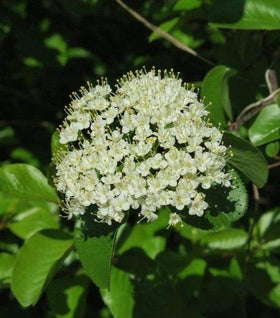
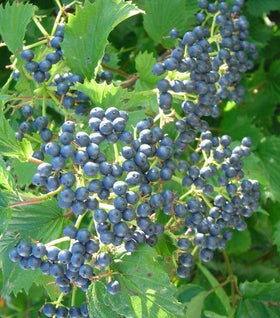
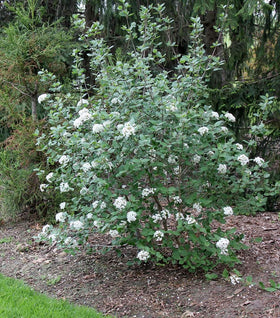
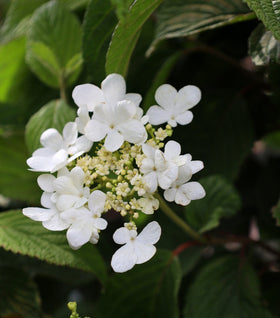


Privacy hedges that feel instant.
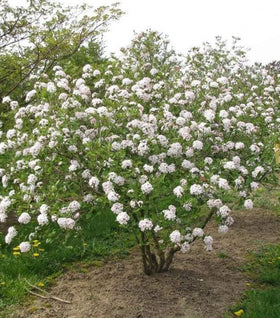
Viburnums are classic hedge and screen shrubs because many types establish quickly and build dense growth that reads as a living wall, great for backyard privacy, softening fences, and defining property lines without a hard, boxed-in feel. They’re also flexible: the genus includes both evergreen and deciduous options, and a wide spread of mature sizes, so you can build anything from a low boundary hedge to a taller privacy buffer depending on the selection.
If you’re planting for privacy, spacing controls the timeline. For hedge-style planting, choose a viburnum with the mature height you want, then space based on the mature width and how fast you want plants to knit together: tighter spacing for a faster screen, wider spacing for better airflow, or a more individual shrub look. Many planting guides emphasize that hedge performance varies by species, so “right plant, right spacing” beats forcing any viburnum into a hedge job it wasn’t meant to do.
Viburnum is also a strong option for homeowners who want a hedge that isn’t fussy. Many are described as low-maintenance once established, and they’re widely used in foundation plantings, borders, and screens, especially when you want a dependable structure that doesn’t disappear after bloom. If deer pressure is part of your reality, note that viburnums are often marketed as deer resistant, but browsing is local and never guaranteed, so young plants may still need protection in high-pressure areas.
Flowers, fragrance, and berry-season interest.
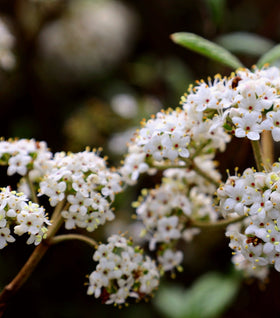
Viburnum blooms are typically a spring highlight, with many types producing white flower clusters (some notably fragrant), making them perfect for walks, patios, and entry beds where the seasonal payoff matters. After bloom, many viburnums shift into “supporting actor” mode, with clean foliage texture, and some set colorful fruits that support birds and add late-season interest (selection-dependent).
Mature size is one of viburnum’s biggest advantages, because it gives you options. Viburnums range from compact shrubs to large shrubs/small trees, and that range lets you choose something that fits a tight foundation bed or a big perimeter planting without relying on constant pruning. Growth rate is commonly described as moderate to fast, often 1 to 2+ feet per year across many landscape types (with compact cultivars slower), helping hedges and screens look established sooner.
One important “know before you plant” note: not all viburnums are equal from an ecological standpoint. Some non-native viburnums are identified as invasive in certain regions, including the Mid-Atlantic, so it’s worth choosing species and cultivars thoughtfully, especially if you live near natural areas or where local guidance flags specific viburnums as concerns.
Planting spots that set viburnums up to win.
Most viburnums are happy in full sun to part shade, and you’ll usually get denser growth and stronger flowering with more sun (especially for hedge goals). Soil preferences vary by species, but many viburnums are described as adaptable, performing well in average garden soils when drainage is reasonable, making them a strong fit for “real yards,” not just perfect beds.
For practical spacing, use the mature width as your guide and adjust as needed. As a rule of thumb, hedge plantings typically go closer than specimen plantings; if you want a seamless screen, plant closer, and if you want each shrub to keep a distinct mound with better airflow, plant wider. For any approach, leave room for maintenance access and airflow—crowded hedges can look great early on, but become harder to manage as plants mature.
Viburnums shine in functional placements: property-edge screens, foundation beds that need evergreen/deciduous structure (depending on type), and mixed borders where you want a dependable shrub layer behind perennials. They can also be excellent “transition shrubs” between sunny and lightly shaded parts of a yard, helping the whole landscape feel cohesive instead of stitched together.
Easy care that keeps shrubs healthy and blooming.
Pruning timing depends on the viburnum, but many popular flowering viburnums set buds on older wood, so pruning right after flowering is the safest way to shape without sacrificing next year’s blooms. If you need major size reduction or rejuvenation, many guides point to late winter or very early spring as a window for more extensive pruning (accepting that you may reduce flowers on spring-bloomers when you do heavy cuts).
Water regularly during establishment, then shift to deep, less frequent watering as roots expand (site-dependent). Most long-term issues trace back to stress: too little light for the desired density, inconsistent moisture while establishing, or crowding that reduces airflow. Keep the basics steady, light, well-drained, and spaced, and viburnums tend to be low-drama shrubs that reward you with structure and seasonal highlights.