
Low-Light Houseplants for Easy-Care Greenery in Shaded Rooms
Confidence-building greenery for dim rooms, offices, and north-facing windows.
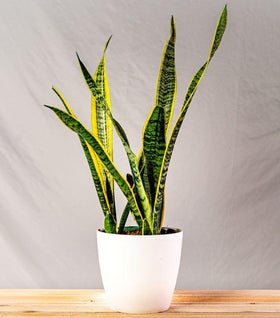
Low light doesn’t have to mean “no plants.” It just means choosing the right personalities—plants that evolved under tree canopies and learned how to coast in softer indoor light. This collection is packed with the kinds of plants that make people feel instantly successful: ZZ plants, snake plants, pothos, dracaena, spider plants, philodendrons, palms, and more. You’ll see upright, architectural options for corners, trailing vines for shelves, and lush foliage plants that make a room look finished without demanding a sunny window. Expect slower growth in dimmer spots (that’s normal), but also fewer watering needs and less daily fuss—perfect for offices, bedrooms, and those “pretty but not bright” rooms.
The biggest low-light mistake is loving a plant to death with water. In low light, plants use water more slowly, so soil stays wet longer—setting up root rot and fungus gnats if you keep watering on a schedule. Extensions specifically call out letting soils dry appropriately for tough low-light staples (snake plants like drier conditions, and ZZ plants should be allowed to dry between waterings and never sit in water). Keep drainage non-negotiable, match watering to the soil’s dryness (not the calendar), and you’ll feel that “I’ve got this” momentum fast. We Grow Together Promise still applies: pick the right plant for the light you actually have, and you’ll grow your indoor jungle with way less stress.
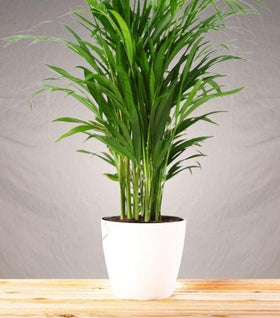
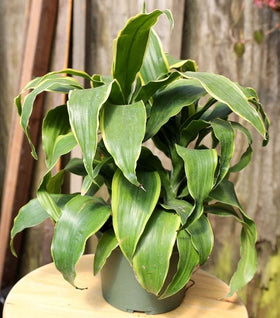

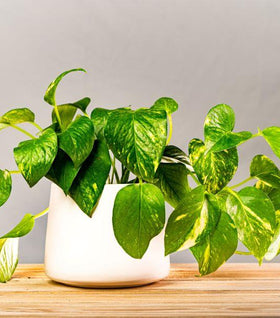
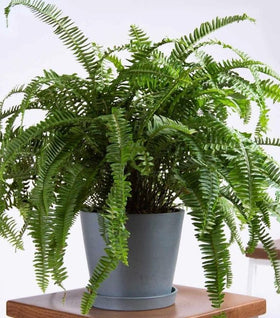
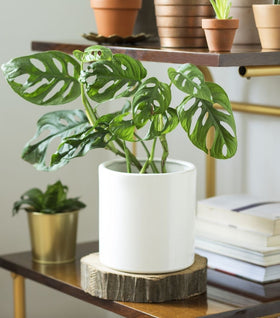
Monstera adansonii (Swiss Cheese Vine)
As Low As $32.95

Monstera deliciosa (Swiss Cheese Plant)
As Low As $32.95

Peace Lily (Spathiphyllum)
As Low As $29.95


Philodendron hederaceum ‘Lemon Lime’
$49.95
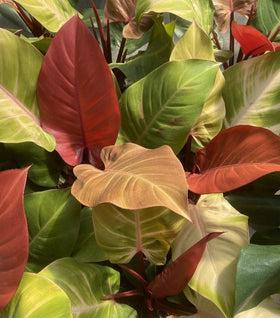
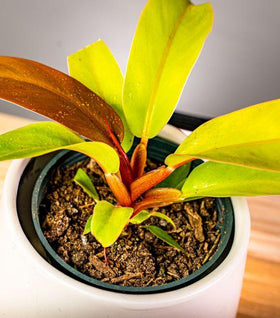

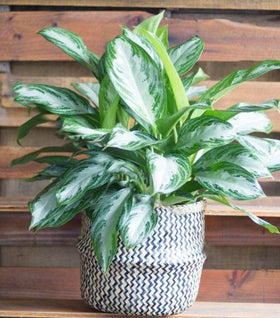
Silver Bay Chinese Evergreen
As Low As $43.95

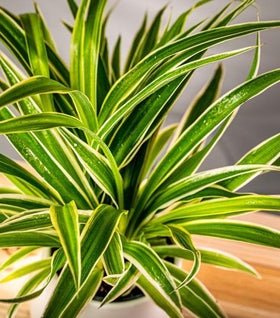
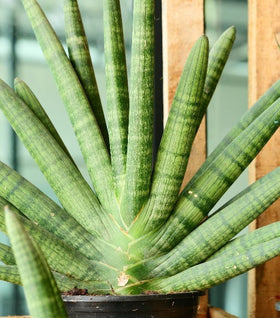
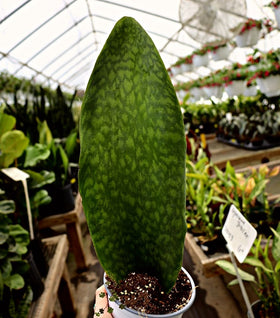
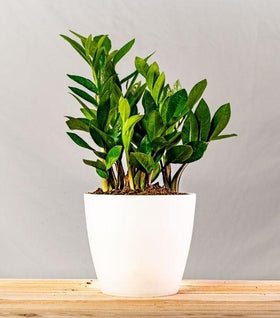
Make low-light rooms feel alive with plants that actually thrive there.
Low-light houseplants are the fastest way to turn a “fine” room into a finished, lived-in space—especially where direct sun is limited. Think north-facing windows, interior offices, shaded apartments, and bedrooms where you want calm, not blazing light. The key is choosing plants that tolerate lower light levels without thinning out immediately, and this collection is built around exactly that: canopy-adapted tropicals and famously forgiving staples that stay attractive even when the light is less than ideal.
It also helps to define “low light” honestly. Low light is not “no light”—it’s typically bright shade or indirect light indoors, where you can comfortably read but the sun isn’t hitting leaves. Many of these plants tolerate low light, but they still grow best with brighter indirect light when available; in dim spots, they’ll simply grow more slowly and need less water. If you treat that slower pace as a feature (not a flaw), low light becomes one of the easiest indoor plant categories to manage.
Design-wise, low-light plants let you add greenery where people usually give up. Use a tall, upright plant to anchor a corner (snake plant, dracaena, palm), then layer in one trailing option (pothos/philodendron) and one textural plant (fern/calathea) for depth. That “upright + trailing + texture” recipe makes even dim rooms look styled and intentional—without relying on flowers or seasonal color.
Get the right plant shape, size, and growth pace for your space.
This collection includes a wide mix of forms—because success indoors is as much about shape as it is about light tolerance. You’ve got ZZ plants that are famously tough and content in low light, snake plants that stay tidy and architectural, pothos that trail, dracaena that adds height and color-striping, and palms that soften a room with feathery texture. Many of these appear directly in the collection’s featured product mix and “best low-light” guidance on the page, making it easy to shop by the look you want.
Mature size indoors depends on the plant and the pot, but the big rule holds: lower light usually means slower growth. That’s a good thing if you want a plant that stays proportional in a small room or office. If you want faster growth and bigger leaves, place the plant closer to brighter indirect light; if you want “stable and steady,” let it live a little deeper in the room and enjoy the low-maintenance pace.
Bloom windows for low-light houseplants are usually “occasional and bonus,” because most are grown for foliage. A few exceptions can bloom indoors (peace lily is the classic example), but the real year-round value here is evergreen foliage that makes spaces feel calmer and more complete every single day. If you want predictable flowers indoors, choose plants specifically known for blooming under indoor conditions—otherwise, treat blooms as a pleasant surprise.
Place them where the light is steady and the routine is easy.
Low-light houseplants do best when you give them consistent conditions—steady temps, no harsh direct sun blasts, and a spot where you’ll notice when they need water. Many favorites are happiest in bright, indirect light, but several tolerate lower levels well—especially ZZ plants and snake plants, which extensions describe as thriving in low-light interiors and tolerating less frequent watering. That’s why they’re top picks for offices and bedrooms: they don’t punish you for imperfect light.
Spacing indoors is less about inches and more about airflow and access. Don’t press foliage tight against walls or curtains, rotate pots occasionally for even growth, and leave room to water without splashing everything nearby. Better airflow also reduces the “always damp” microclimate that can invite nuisance problems in low light—especially if you tend to overwater.
One important caution: some common houseplants can become invasive outdoors in warm climates. UF/IFAS assessments list Monstera deliciosa and Epipremnum aureum (pothos) as High Invasion Risk in Florida, and UF/IFAS guidance explicitly notes these are not recommended outdoors there. Indoors they’re great; outdoors, keep them contained (or keep them inside) if you live where they can escape into natural areas.
Keep care simple with smart watering, light pruning, and safety know-how.
Watering is the whole game in low light. Extensions emphasize that snake plants prefer drier conditions with soil drying between waterings, and UF/IFAS notes ZZ plants should be allowed to dry between waterings and never sit in water. In practice: use a pot with drainage, a well-draining mix, and water only when the soil has dried appropriately for the plant—because low light slows water use and makes overwatering the #1 cause of decline.
Pests and “plant problems” in low light are usually care-related, not mysterious. Fungus gnats are a common indoor nuisance when soil stays too wet, and extension guidance recommends changing watering habits—letting the top of the soil dry more and reducing constantly moist surfaces—to break their life cycle. If you see gnats, treat it as a friendly warning sign: back off the watering, improve drainage, and your plants typically rebound.
Safety caution for pet households: Many popular low-light plants (including pothos, peace lilies, ZZ plants, philodendrons, and related aroids) are listed by the ASPCA as potentially troublesome for pets if chewed. If pets are curious, choose safer placements (high shelves, hanging baskets) or prioritize pet-safe alternatives so “easy-care” doesn’t turn into an “emergency vet visit.”