
Achillea Plants for Long-Lasting Color & Pollinator Gardens
Heat-proof summer color that thrives in sun and low-water landscapes
Achillea, better known as yarrow, is one of those “plant it once, enjoy it forever” perennials for sunny, dry-leaning gardens. It’s loved for flat-topped flower clusters that hover above ferny foliage, blooming through summer and pulling in pollinators while shrugging off heat. Most common yarrow forms grow in tidy clumps and typically mature to 1–3 feet, making them easy to weave into borders, hot curbside strips, and cut-flower gardens where you want steady color without constant watering. Put simply: if you’re shopping for low-maintenance perennials for sale that can handle full sun, Achillea is a smart, reliable pick.
The best part is how forgiving it is—yarrow prefers full sun and well-drained soil, tolerates poorer soils, and can rebloom if you deadhead or cut it back after the first flush. Give it room and airflow, and it’ll reward you with stronger stems and cleaner foliage; crowd it or overwater it, and you can invite flopping and cosmetic leaf issues. The We Grow Together Promise means you get clear guidance so you can plant with confidence and get the performance you’re expecting.
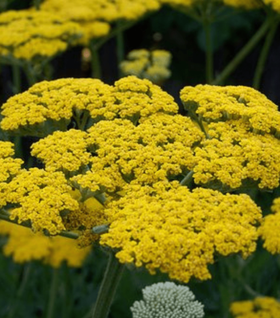
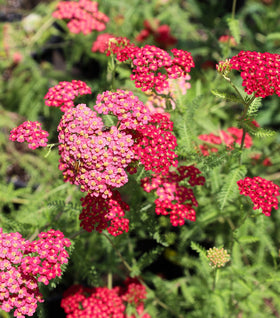
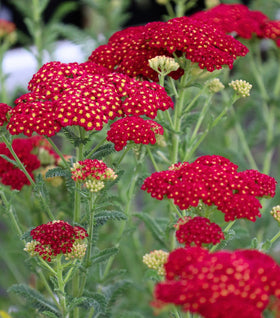
Strawberry Seduction Yarrow
As Low As $18.95



Get drought-tough summer color that keeps going.
Achillea is a go-to perennial for gardeners who want long-blooming color without babying the bed. The flowers open in broad, flat clusters that read boldly from a distance, and the plant is widely noted for thriving in full sun with well-drained soil and strong drought tolerance once established. Perfect for hot driveways, sunny foundations, and “I forgot to water” corners that still need to look intentional.
It also earns its keep in mixed borders because it plays well with other sun lovers: ornamental grasses, salvias, coneflowers, lavender, and other heat-tolerant perennials. The flower platforms add a different shape than spikes or daisies, and the foliage brings a fine texture that keeps the planting from feeling heavy. Bonus: yarrow is often chosen specifically for mass plantings, where repetition creates that clean designer look—without turning maintenance into a weekly chore.
Achillea is especially satisfying when planted in groups. Clumps knit into a soft, colorful drift, and because yarrow is known for tolerating poor soils, you don’t have to “perfect” the bed to get strong performance, just prioritize drainage and sun. That makes it a high-value pick for new beds, renovation projects, and large sunny areas where you want reliable bloom and pollinator activity without high inputs.
Love the look, then plan for mature size.
Most common yarrow forms are practical at a landscape scale, often 1–3 feet tall and wide, with an upright, clump-forming habit. That size makes it easy to slot into the front-to-middle of borders, line walkways, or use as a repeated “bridge” plant between shrubs and lower edging perennials. If you want a tidy, intentional look, planning around mature width is the easiest way to avoid crowding and keep stems standing strong.
Bloom timing is part of the appeal: yarrow is typically treated as a summer bloomer, and many gardeners keep it flowering longer through deadheading. When the first wave fades, cutting plants back by about a third to half is commonly recommended to encourage fresh growth and a later-season rebloom, an easy routine that keeps beds colorful deeper into the season.
Spacing is where you set expectations for fullness and airflow. A common guideline is to space yarrow about 1–2 feet apart, which gives plants room to spread into a cohesive drift without becoming a congested mat. This spacing also helps foliage dry faster after rain or irrigation—useful when you’re trying to keep leaf issues from showing up later in the season.
Put it in full sun and let it thrive.
Achillea performs best with full sun—aim for at least 6 hours, and more is often better for sturdy growth and bloom. In lower light, plants can stretch and flop, and flowering may be reduced. If you’re choosing one spot to “set it up for success,” choose the sunniest bed with the quickest drainage.
Soil doesn’t need to be rich, but it does need to drain. Yarrow is widely described as tolerant of poor soils and drought, yet it dislikes staying wet—especially in heavier soils where crowns can sulk. If your bed holds water, amend for drainage, plant a touch high, and avoid heavy mulching right up against the crown.
Because yarrow can spread by rhizomes and seed, placement matters if you like crisp bed lines. Deadheading helps reduce self-seeding, and dividing clumps is an easy way to control size while refreshing vigor. If you want “carefree” without “everywhere,” give it a defined space, edge the bed, and treat deadheading as a simple seasonal habit.
Easy care that keeps blooms tidy and strong.
Water smart, not often: keep new plants consistently moist while roots establish, then shift toward less frequent, deeper watering as they settle in. Overwatering and overly rich feeding can push soft growth that flops, while leaner, sunnier conditions tend to produce sturdier stems and a cleaner habit, exactly what you want in a low-maintenance perennial.
Deadheading is your bloom extender. As flowers fade, removing spent blooms (or cutting the plant back after the first flush) can encourage a fresh round of growth and additional flowering later in the season. It’s also one of the simplest ways to keep the plant from reseeding freely if you want it to stay where you planted it.
Pests and diseases are usually manageable, but it’s smart to know what can show up. Powdery mildew is often mentioned as a common issue (often cosmetic), and good airflow and full sun help reduce pressure. If you see leaf problems, avoid overhead watering, thin nearby plants for airflow, and cut back tired growth to encourage a cleaner regrowth cycle.