
Privet Shrubs for Fast-Growing Hedges, Privacy & Structure
Fast privacy hedges and evergreen structure that stay easy to shape.
Ligustrum (privet) is one of the quickest ways to turn an open yard into a more private, more finished landscape. It’s used everywhere for a reason: rapid growth, dense evergreen (or semi-evergreen) foliage in many types, and a natural willingness to become a hedge—tight, tidy, and easy to keep in bounds. Plant it where you want, definition, along a fence, around a patio, or as a living backdrop, and you’ll get a clean green wall that looks intentional even when everything else is between seasons. In the right conditions, many privets grow fast (some references note 25 inches or more per year for Japanese privet), which is exactly what you want when privacy is the goal.
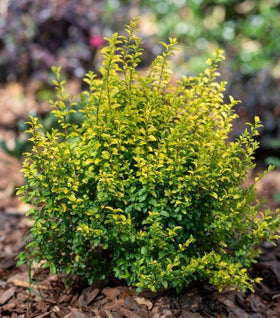

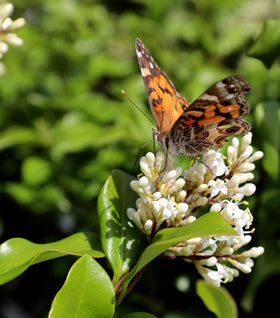
Fast privacy hedges that look polished.
Ligustrum is a classic hedge shrub because it does the two things hedges need most: it grows quickly, and it thickens up nicely with pruning. That means you can start with a simple planting line and, season by season, turn it into a dense green screen that softens fences, blocks views, and makes outdoor spaces feel more comfortable and contained.
This collection is especially useful because ligustrum isn’t “one look.” Some options are upright and evergreen for tall privacy, while others are more compact or foliage-forward for foundation beds and color accents. That variety lets you keep one consistent hedge/shrub theme across your property while still choosing the right size and silhouette for each spot.
When you’re planting for privacy, plan the timeline with spacing and pruning. Privet responds well to shaping, and a post-bloom prune (or routine trims during the growing season, depending on your hedge style) encourages branching and density—so the hedge fills in rather than stretching thin. For major size correction or rejuvenation, late winter to early spring is commonly recommended.
Bold evergreen foliage and seasonal bloom.
Many ligustrums bring glossy, deep-green leaves that read clean and “finished” year-round, which is exactly why they’re used for hedges and screens. Some types also produce small white flowers in spring that can be fragrant, while others (notably certain modern selections) are grown primarily for foliage color and may have reduced or no flowering.
Mature size varies widely by species and cultivar, but privets are often medium- to large shrubs that can be maintained as hedges or trained into small tree forms. Growth rate can be rapid, Clemson notes Japanese privet as a fast grower (25 inches or more per year)—so choosing the right size class up front is the easiest way to avoid constant corrective pruning later.
If your goal is evergreen privacy, focus on the density and behavior of the foliage in your climate (evergreen vs. semi-evergreen). If your goal is color impact, choose foliage-forward selections (like bright gold types) and plan placement so the sun keeps that color strong.
Planting spots that build thick screens.
Ligustrum is broadly adaptable and typically grows best in full sun to partial shade; brighter light generally supports denser growth and stronger color in golden-leaf selections. It’s also known for handling challenging landscape conditions (heat, drought after establishment, and many soil types), with the big exception being soils that stay permanently wet.
For spacing, use your goal as the guide: tighter spacing for a faster, seamless hedge; wider spacing for more individual shrub definition and airflow. Because privet grows quickly, it’s smart to avoid extreme crowding, airflow helps reduce pest and disease pressure, and it gives you room to prune without creating bare interiors.
If you’re planting in regions where invasive privets are a known issue, make variety choice part of the placement decision. Penn State notes privet concerns as invasive/noxious in some areas, and Ohio State resources note that European/common privet is banned from commercial sale in Ohio—so check your local recommendations and choose sterile or non-invasive options when appropriate.
Easy pruning and practical watch-outs.
Routine care is straightforward: water consistently during the first season, then transition to deeper, less frequent watering as plants establish (site dependent). Privet tolerates pruning well, and trimming after spring flowering is commonly recommended to encourage branching and a thicker, more hedge-like habit.
For heavier pruning, timing matters. Many guides recommend doing severe rejuvenation pruning in late winter to early spring so the plant rebounds with strong growth during the season. Avoid pushing tender new growth late in the fall in colder areas, as it can be more vulnerable to freeze damage.