
Assorted Trees for Shade, Privacy, Color & Landscape Structure
A rotating mix of standout trees to solve landscape gaps with style.
This collection is where you shop when you’re building a landscape with intention, but you don’t want to be boxed into one tree category. You’ll typically find a rotating mix of shade trees, flowering focal points, edible and wildlife-friendly picks, and “conversation starter” ornamentals that bring bark, foliage, or fall color into the spotlight. Because the lineup changes, it’s perfect for homeowners and landscapers who want to grab the right tree for the job, fast shade, spring bloom, or four-season character—without waiting for a specific tree type to come back in stock.
The best way to buy from a mixed tree collection is to shop by site fit first: light (full sun vs. part shade), drainage (wet vs. well-drained), and mature size (so you’re planting for year 10, not just year one). Then match pruning timing to the kind of tree you choose: many trees do best with most pruning in the late dormant season, while spring-flowering trees are often shaped after they bloom, so you don’t cut off flower buds. And because tree species vary widely in pet safety, invasiveness concerns, and pest/disease susceptibility, it’s smart to check those cautions per tree before planting near pets or natural areas, backed by the We Grow Together Promise.
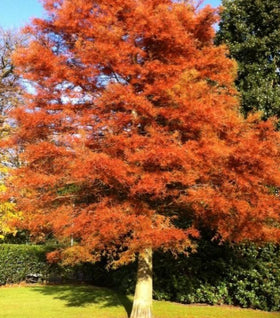
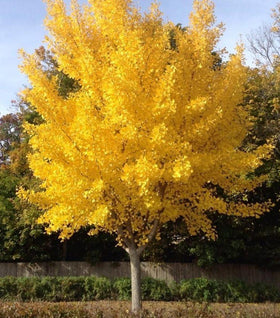


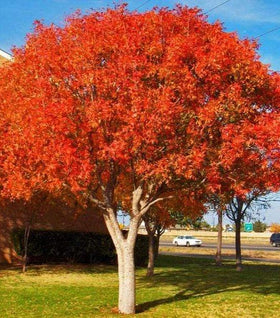
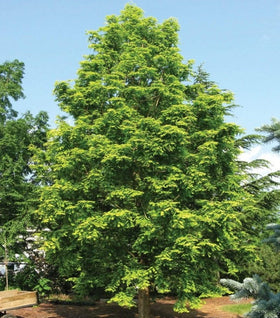
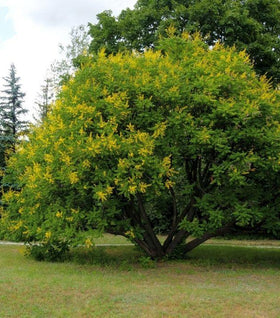

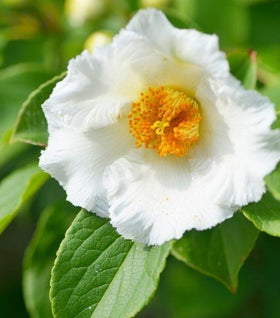


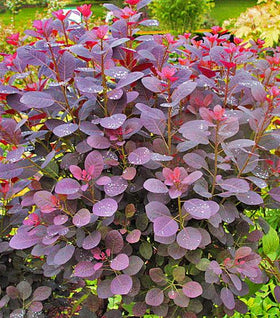


Solve landscape gaps with the perfect tree.
A great tree does one thing immediately: it gives your property structure at eye level and above. In a rotating “miscellaneous” collection, you can typically find trees that act as canopy makers (shade and cooling), trees that act as seasonal showpieces (spring flowers, fall color, striking bark), and trees that add function (edible fruit, pollinator support, wildlife value). The advantage is flexibility; you can choose the right role for the right spot without forcing one tree type to do every job.
Because the mix changes, this collection is also a smart way to shop for opportunity. When a tree fits your light, space, and soil, grab it and build around it with shrubs and perennials that complement its season of interest. One well-chosen tree can define an entry view, anchor a backyard bed, or create instant “finished” energy in a new landscape that still feels sparse.
If you’re planting multiple trees, think in layers and spacing. Give each tree room for its mature canopy and for airflow, so you’re not creating future conflicts with the home, driveway, or other trees. When trees are spaced correctly from the start, they typically stay healthier, need less corrective pruning, and develop better form over time.
Make the season count with bloom, bark, and color.
In a mixed tree lineup, bloom windows vary by species; some trees bloom in early spring, others later in spring or summer, and others don’t “bloom for show” at all but shine with foliage, bark, cones, or fruit. That’s a feature: it lets you create a landscape calendar where something is always happening, instead of betting everything on one flowering week.
Mature size is equally variable, which is why this collection can solve both small-yard and big-yard needs. Some selections stay in small ornamental-tree scale, while others mature into true canopy trees, so the right purchase is the one that fits your available height and spread without forcing constant pruning to “keep it small.”
Growth rate ranges from steady and strong to noticeably fast (species dependent), and establishment care is what determines whether you see that potential. Many trees focus on root development early, so consistent watering and weed-free, mulched root zones are practical moves that help trees settle in and grow more confidently above ground.
Planting spots that match each tree’s strengths.
Start with sunlight. Many landscape trees prefer full sun, while others handle part shade well—especially understory and flowering trees, so matching the tree to your light is the easiest way to reduce stress and improve flowering, canopy density, and long-term health.
Next, look at drainage and moisture. Some trees tolerate consistently moist sites better than others, but most do best in soil that drains well enough to keep roots oxygenated. If water lingers after rain, consider improving drainage (a raised planting area/berm) or choosing trees known to tolerate wetter ground. This prevents root stress that can snowball into decline.
Spacing should be planned around mature spread, not the pot size. A practical rule is to allow room for the canopy you want, plus airflow and access for maintenance (mulching, watering during establishment, and occasional pruning). Crowding early can look “full” fast, but it often creates weaker structure and higher pest/disease pressure later.
Easy care with smart, species-specific caution checks.
Most pruning is best done in the late dormant season for many trees, focusing on removing dead, damaged, or rubbing branches and developing good structure. For spring bloomers, pruning is often safest right after flowering, so you don’t remove flower buds that formed earlier. When you’re unsure, prune lightly and prioritize structural health over heavy shaping.
First-year care is the success lever: eliminate turf competition around the base, use an organic mulch ring (kept off the trunk/root flare), and water deeply enough to wet the soil several inches down. Trees can take more than a year to fully establish, so consistent watering “as needed” through dry spells is how you protect survival and accelerate long-term growth.