

Classic Rose Bushes for Fragrant Blooms & Timeless Garden Beauty
Timeless bloom forms, real fragrance, and that “rose garden” feeling—made practical.
Classic roses are the ones you picture first: elegant blooms, strong color, and a garden vibe that never goes out of style. In this collection, “classic” usually means the familiar rose groups gardeners have relied on for generations—hybrid teas for that iconic single-bloom look, floribundas for clustered color, and grandifloras that blend the best of both. The payoff is huge: these roses can anchor a foundation bed, headline a cutting garden, or bring instant polish to an entry planting. And if you’re shopping for fragrance, classic styles are where many gardeners start—because you can place scent right where you live outdoors: by the patio, along the front walk, or near the gate.
Here’s how you keep them feeling “classic” (not complicated): plant in strong sun, give them space for airflow, water at the base, and prune at the right season so you’re always pushing fresh, bloom-ready growth. Many rose guides use a simple benchmark of at least 6 hours of direct sun for best flowering, and spacing guidance commonly lands around 2.5–3 feet for hybrid teas/floribundas/grandifloras (with miniatures closer and larger shrubs wider). Then prune in late winter to early spring, when growth is just resuming—later in colder climates—so the plant rebounds with vigor. And because roses are still roses, it’s smart to recognize big cautions early: black spot can defoliate plants if conditions stay wet, and rose rosette disease is the one you don’t ignore. That’s the We Grow Together Promise—clear timing, simple steps, and roses that reward you year after year.
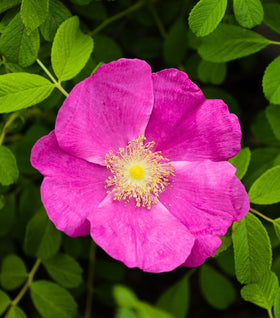
Create the classic rose garden look with less guesswork.
Classic roses shine when you treat them like centerpiece shrubs, not “extras.” Use them to frame an entrance, line a sunny fence, or build a dedicated rose bed that feels intentional from the street. If you’re designing for everyday enjoyment, place your most fragrant varieties where you’ll actually pass them—near steps, a porch, or the path to the mailbox—because scent is part of the classic experience. For landscapers, a repeating pattern of the same rose type creates instant rhythm, while homeowners can get a softer, cottage feel by mixing roses with low perennials that hide the base and keep beds attractive between flushes.
What makes this collection especially useful is that “classic” includes multiple growth habits and bloom styles. You can go formal with upright plants and crisp edging, or relaxed with cluster bloomers that read like a color drift. Many modern floribundas are prized for producing flowers in clusters and for more continuous blooming, while hybrid teas are known for a bloom cycle that comes in waves—so you can choose whether you want steady color or bigger “main event” blooms for cutting. Grandifloras bridge that gap by blending traits from both groups, which is why they’re often used when you want height and repeated flowering in one plant.
If you’re planting for a long season, you can design bloom in layers: early flush, repeat cycles through summer, and late-season color that carries into fall in many climates. The key is giving roses a consistent start—good drainage, good light, and enough space—so the plant stays leaf-happy and keeps setting buds instead of constantly recovering from stress. Think of the first growing season as “root-building season,” then enjoy the payoff as plants fill in and become more floriferous over time.
Know the bloom form and rose class you’re choosing.
Hybrid teas are the “classic florist rose” look: typically one striking bloom per stem, ideal for cutting and close-up appreciation. Floribundas are the “garden show” rose: lots of blooms in clusters that create a stronger color impact from a distance and can keep the display going with fewer gaps. Grandifloras sit in the middle—often taller and more shrub-like in presence, with the refined bloom influence of hybrid teas and the flowering abundance you want in landscape beds. If you’ve ever wondered why one rose looks incredible in a vase while another looks incredible across a whole bed, rose class is often the reason.
Mature size varies by variety, but classic rose classes commonly land in the “shrub range,” meaning a few feet tall and wide in many garden settings—enough to anchor a bed without swallowing the whole landscape. What matters most is planning for the mature width, not the pot size. When roses have room, they branch better, flower along more of the plant, and are easier to prune without turning maintenance into a thorny wrestling match. That space also supports airflow, a quiet yet powerful factor in leaf quality and long-term performance.
Growth rate is usually steady rather than instant, and that’s part of the charm: classic roses build structure over time. With strong sun, well-drained soil, and consistent watering during establishment, you’ll typically see a noticeable improvement in fullness and bloom count as the plant settles in. If you want quicker coverage, choose a rose class and variety suited to your bed size and plan a layout that fills in without crowding—because “fast and tight” can backfire if it increases disease pressure later.
Set them up with sun and spacing that keeps foliage cleaner.
Roses are sun-first plants. Many guides emphasize at least six hours of direct sunlight as a practical baseline for strong flowering, and morning sun is especially valuable because it dries leaves earlier in the day. That simple detail can make the difference between a rose that stays attractive and one that constantly looks tired or spotty. When you’re picking a site, prioritize light and airflow over “convenience,” and avoid tight corners where damp air lingers after rain.
Spacing is your built-in maintenance plan. A widely used guideline is to plant miniatures about 2–2.5 feet apart, and plant classic classes like hybrid teas, floribundas, and grandifloras about 2.5–3 feet apart (with larger shrub roses and climbers needing more). That space helps leaves dry faster, makes pruning easier, and reduces the “domino effect” where one stressed plant turns into a whole bed of problems. If you’re installing a row, stagger plants slightly instead of lining them up perfectly—same number of roses, often better airflow.
Place roses where they can do a job. Use them as a flowering hedge along a drive, as a focal point in a foundation bed, or as a cutting-garden row where harvesting blooms actually improves the plant’s appearance. In containers, classic roses can thrive in bright conditions, but they’ll dry faster—so you’ll want consistent watering and excellent drainage. Either way, aim irrigation at the base rather than the leaves; it’s one of the simplest habits for cleaner foliage over the season.
Prune in the right window and stay ahead of the big cautions.
Pruning timing is where rose confidence comes from. Many rose resources recommend pruning in late winter when growth is just resuming—often late winter into early spring—waiting longer in colder climates so tender new growth isn’t hit by late freezes. The goal is to remove dead or weak wood, shape the plant for an open center, and encourage strong new canes that flower well. Done at the right time, pruning isn’t scary—it’s the annual reset that makes classic roses look purposeful instead of overgrown.
Black spot is the most common “why do my roses look rough?” issue, and it’s strongly influenced by moisture and airflow. Extension guidance emphasizes bright sunlight, spacing for airflow, sanitation (removing infected leaves and leaf litter), pruning out diseased canes, and watering at the base instead of overhead to limit spore spread. The practical takeaway: you don’t need a complicated program to improve rose appearance—you need the right setup and a few consistent habits that keep foliage drier and cleaner.