
Rudbeckia Plants (Black-Eyed Susans) for Summer Color & Pollinators
Big golden blooms that keep your garden glowing from summer into fall.
Rudbeckia plants (black-eyed Susans) are the kind of “plant once, smile for months” perennials that make a bed look sunny and intentional without a lot of fuss. Many popular types bloom through the heart of summer and carry color right into early fall, and some selections can push bloom even longer depending on weather and care. You get that classic golden daisy look with a dark center, plus sturdy stems that mix easily with ornamental grasses, coneflowers, salvias, and shrubs. Set them in full sun for the strongest flowering, give them average soil that isn’t soggy, and you’ll see why they’re a staple in both homeowner landscapes and professional plantings.
What really earns trust is how predictable they are: moderate, steady growth; easy watering once established; and a bloom window that reliably shows up when the garden needs momentum. Deadheading can help extend flowering, while leaving some spent flowerheads later in the season can feed birds and add texture into winter. You’re backed by the We Grow Together Promise, so you can plant boldly, knowing you’ve got support if questions pop up along the way.
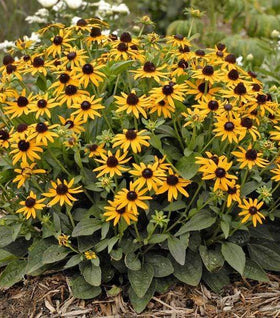
Goldsturm Black Eyed Susan
As Low As $18.95
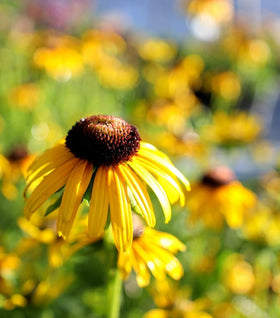
Viette’s Little Suzy Black Eyed Susan
$26.95


Summer color that holds the line.
Rudbeckia is a go-to choice when you want a border to look bright, full, and upbeat for a long stretch of the season. Many garden favorites bloom from roughly June into September (and some strains can run to frost), giving you the kind of staying power that makes the whole landscape feel more “together” without constant replanting. It’s an easy win for sunny foundation beds, mailbox plantings, mixed perennial borders, and curb-appeal hotspots where you want color that reads from a distance.
This collection is also versatile because “rudbeckia” covers both perennial and short-lived types, and different species handle different conditions. Many tolerate heat and humidity, perform in average soils (even poorer soils), and keep going when you’re not babying them, especially once their roots are established. That reliability makes them a practical staple for homeowners and a repeatable design tool for landscapers building large, cohesive plantings.
Rudbeckia isn’t just pretty, it’s useful. The flowers are well known for attracting pollinators during bloom, and many plantings also support birds later, when seedheads mature. If you like a garden that feels alive (bees working, butterflies floating, birds stopping by), this is one of the simplest ways to build that energy into the middle and late season.
What you’re getting in bloom and form.
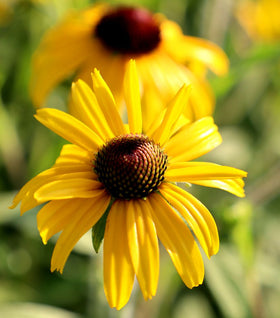
Expect classic daisy-like flowers, golden-yellow rays around a dark center cone, on upright plants that typically range from easy-to-design 2–3 feet tall to 1–2 feet wide for many common garden forms. Some varieties stay more compact, while others lean taller, but the overall look is consistent: strong, sunny color with a clean silhouette that layers well behind edging plants and in front of taller grasses or shrubs.
Bloom timing is a big part of the appeal. Many widely grown perennials like Rudbeckia fulgida types bloom from summer into fall, while Rudbeckia hirta selections often start earlier and can keep going late, especially with deadheading and favorable weather. That means you can build a planting that starts strong in summer and still looks “in season” when early perennials have faded.
Growth habit matters for planning. Some rudbeckias are clump-forming but can slowly spread by rhizomes into larger patches, and many will self-seed if flowerheads are left to mature. That’s usually a feature (free fill-in plants!), but if you prefer a crisp, controlled look, plan on deadheading and occasional division to keep your drift exactly where you want it.
Where they thrive in real landscapes.
Full sun is the sweet spot for strong stems and the biggest, most consistent bloom, though many rudbeckias tolerate partial shade (often with a little less flowering). Aim for a site that gets at least 6 hours of sun, with soil that drains “anything but soggy” is a good rule of thumb. If you’re working with heavier clay, these can still do well, but avoid low spots where water collects.
For spacing, plan roughly 12–24 inches apart, depending on mature size and how quickly you want the planting to knit together. Closer spacing creates a fuller mass sooner, while wider spacing improves airflow and helps reduce leaf disease pressure in humid weather or irrigated beds. If you’re planting a drift, repeat in groups and let the planting merge into a single “golden ribbon” over time.
Use rudbeckia where it can do double duty: sunny borders for long bloom, slopes and open areas for broad coverage, and mixed beds for pollinator value without fragile plants. Many types handle dry to medium moisture once established, so they’re a smart choice for landscapes that need to look great without daily watering. Just match the species to the site and keep drainage in mind.
Simple care that keeps them blooming.
Water consistently during establishment, then shift to a lighter hand. Many rudbeckias tolerate drought once established, but they’ll bloom best with reasonable moisture during extreme heat. Skip heavy feeding; these plants often perform well in average soils, and too much fertility can push leafy growth at the expense of flower power. The goal is steady, balanced growth that keeps stems sturdy and blooms coming.
Deadheading is your easy “upgrade.” Removing spent blooms can encourage continued flowering in many types, while leaving some flowers to set seed later in the season can support birds and give you natural reseeding for a fuller planting next year. For cleanup, many gardeners cut plants back after frost or leave stems for winter interest, then cut back in late winter/early spring before fresh growth takes off.
For cautions, think in terms of simple prevention: give plants breathing room, avoid frequent overhead watering, and remove tired foliage to reduce disease pressure. Common issues noted for Rudbeckia include powdery mildew and leaf spots, which are typically encouraged by excess moisture on leaves and tight spacing.