
Patio Plants for Colorful Containers & Inviting Outdoor Spaces
Instant color and tropical texture for patios, porches, and pool decks.
If you want your outdoor space to feel “finished” fast, patio plants are the shortcut—big leaves, bold color, and a ready-made resort vibe the moment you set the pot down. This collection leans into container stars like tropical hibiscus for flowers, majesty palm for height and movement, croton for high-voltage foliage, and cordyline for dramatic color and structure. These choices are built for real patios and porches: they love warm weather, look great in pots, and can be shifted around to catch the best light (or to make room when company shows up).
The confidence move is treating containers like a simple system: drainage, light, and a steady watering rhythm. Use pots with drainage holes, water thoroughly, and let the mix dry slightly between waterings so the roots stay healthy rather than soggy. Feed container plants regularly during active growth because frequent watering washes nutrients through the pot, and do your bigger shaping prunes at the right time—tropical hibiscus, for example, is commonly pruned in late winter or early spring to encourage bushier growth and heavy flowering. You’re backed by the We Grow Together Promise, so you can plant with confidence and get help if your patio plan needs a quick tune-up.

Emerald Petite Arborvitae
As Low As $34.95


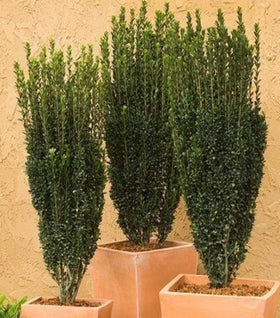



Ilex glabra ‘Strongbox®’ (Strongbox Inkberry Holly)
$109.95


Create a patio oasis in one weekend.
Patio planting is about impact where you live—not “someday” landscaping. Start with a few large containers and choose plants that pop right away: a flowering hibiscus as your color engine, a palm for height, and a couple of bold foliage plants (like croton and cordyline) to make everything feel lush. The best part is flexibility—containers let you redesign on the fly, move plants for better light, and refresh the look seasonally without touching a shovel.
This collection is especially strong for warm-weather styling, anchored by true tropical performers. Tropical hibiscus is highlighted for blooming from early summer into fall outdoors, giving you that “daily color” effect when the plant is happy and warm. Meanwhile, foliage stars keep the show going even when flowers pause—croton’s variegated leaves and cordyline’s colored blades look vibrant from day one and add the texture that makes patio spaces feel layered and intentional.
Containers also make it easier to grow plants you couldn’t keep outdoors year-round in cooler climates. Many tropical patio plants can be brought indoors before frost, then moved back outside once temperatures stabilize, which turns your patio into a seasonal “outdoor room” that evolves with the weather. If you want maximum payoff with minimal commitment, that indoor/outdoor flexibility is a major win.
See the color, form, and mature size upfront.
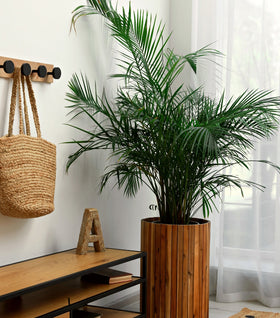
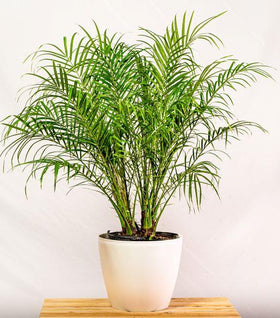
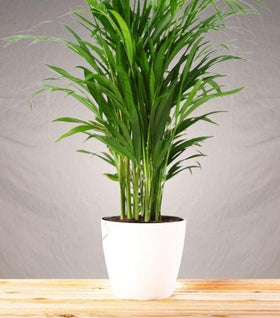
You’re getting a mix of flowering and foliage, and that’s exactly what makes patio pots look designer-level. Tropical hibiscus delivers big blooms through the warm season (often happiest in full to partial sun), while majesty palm provides arching fronds that read soft and elegant from across a patio. Croton and cordyline act like living color blocks—variegation, stripes, and saturated tones that pair beautifully with neutral pots and outdoor furniture.
Mature size depends on whether you grow these as in-ground tropical shrubs (in warm climates) or as container plants (most patios). Hibiscus can become a large shrub in ideal conditions, but in containers it’s typically managed smaller with pruning and repotting. Majesty palm is fast in its native habitat but usually slows down as a container/indoor plant, which is great if you want a long-lived “green anchor” that doesn’t outgrow the space overnight.
Growth rate and seasonal interest vary by plant, so use that to plan your look. Hibiscus gives you the fastest visual payoff with flowers during the warm months, while foliage plants keep the design looking full and intentional all season. If you’re building a “set it and enjoy it” patio, mixing one bloom-forward plant with two foliage-forward plants usually creates the best balance of color and consistency.
Place them in the sun or shade for maximum impact.
Most patio plants shine when you match them to the light you actually have. Tropical hibiscus is commonly grown in full to partial sun outdoors, while croton and cordyline prefer bright light (and can be acclimated to stronger sun depending on climate and moisture). Majesty palm typically prefers bright, indirect light indoors and dappled light outdoors, which makes it perfect for covered porches, filtered-light patios, and poolside spaces with a little afternoon relief.
For spacing, think “future canopy + airflow,” even in containers. Give upright plants room so fronds and leaves aren’t constantly pressed against walls or each other, and avoid packing pots so tightly that air can’t move—good airflow helps reduce stress and lowers the odds of pest and disease flare-ups. As a practical rule of thumb, small-to-medium patio plants often look best with about 12–24 inches of breathing room between pots, while larger statement containers may need 24–36 inches so you can access plants for watering and maintenance.
Use placement to make the patio feel bigger and more intentional. Put taller plants (palms, larger hibiscus) toward corners or behind seating to create a “green wall” effect, then layer medium foliage and flowering plants closer to traffic paths for color at eye level. And if your patio heats up hard in midsummer, shifting containers to a spot with brief afternoon shade can reduce stress and keep blooms and foliage looking fresher.
Simple care that keeps pots thriving all season.
Drainage is non-negotiable for patio containers. Use pots with drainage holes (or double-pot decor planters), water thoroughly, and never let roots sit in standing water—waterlogged mixes can lead to root stress, yellowing, and rot symptoms that mimic other problems. If something looks “thirsty” but the soil is wet, pause and check the moisture first; overwatering is one of the most common causes of container plant decline.
Feeding matters more in pots than in the ground because nutrients leach out with regular watering. A reliable approach is to begin regular fertilizing a few weeks after planting (depending on your potting mix and growth rate) and keep a steady schedule during active growth. If you want strong hibiscus blooms and rich foliage color, consistent nutrition paired with good light is the difference between “surviving” and truly thriving.
Pruning is your patio “reset button,” especially for plants that grow vigorously in warm weather. Tropical hibiscus is commonly pruned in late winter (or as you transition it back outdoors) to encourage a bushier plant and better flowering, and older container plants may benefit from pruning plus fresh soil as part of an annual refresh. For foliage plants, remove damaged leaves anytime, and do shaping trims during the growing season so plants rebound quickly.
Finally, keep an eye on the usual suspects: aphids, whiteflies, mealybugs, scale, thrips, and spider mites—many hide on leaf undersides, so quick weekly checks go a long way. If pests show up, isolate the plant when possible and address stress factors (light, watering, airflow) first, since stressed plants tend to be hit harder. And for pet households, note the safety differences: majesty palm and many hibiscus are listed as non-toxic, while cordyline (ti plant) is listed as toxic to cats and dogs, and croton can cause irritation if chewed—so choose placement accordingly.