

Citrus Trees for Fragrant Blooms & Fresh Homegrown Fruit
Fragrant, fruiting patio trees you can bring indoors for winter.
Citrus trees are the kind of plant that feels like a little luxury—fragrant blossoms, glossy green leaves, and real fruit you can pick at home. What makes them especially shopper-friendly is how naturally they fit into container growing: a dwarf citrus tree can produce standard-size fruit on a smaller tree, so you can enjoy lemons, limes, mandarins, and more even if your “yard” is a sunny patio or front stoop. In colder climates, the path is simple—grow outside in the warm months, then move your citrus indoors before frost so you keep flowers, fruit, and foliage in great shape.
Citrus success comes down to two things you can control: light and consistency. Give your tree strong direct sun (often at least 6 hours, and more is even better) and keep it in your brightest indoor space when overwintering; if winter light is weak, a grow light can be a game-changer. Before you bring it inside, do a quick pest check (scale, spider mites, aphids) and transition it gradually so leaf drop doesn’t become a drama—then keep watering steady, not soggy.
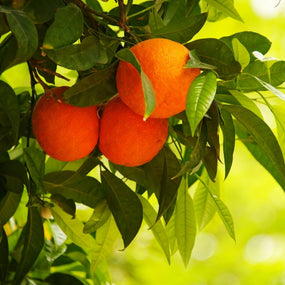
Orange Trees
0 products
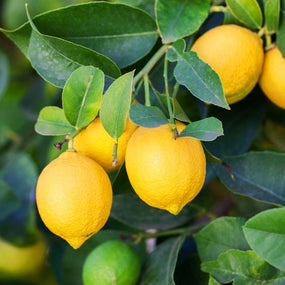
Lemon Trees
1 products
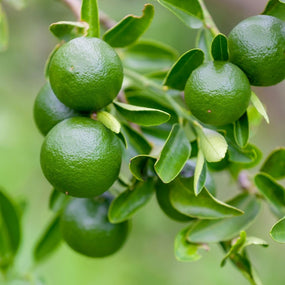
Lime Trees
1 products
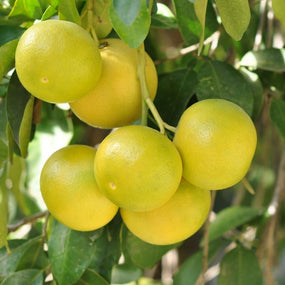
Grapefruit Trees
0 products
Tangerine Trees
0 products
Mandarins
0 products
Enjoy fresh citrus at home with patio-friendly trees.
Citrus trees bring more than fruit—they bring scent, shine, and that “I can’t believe this grows here” feeling.
When placed near a gathering space, they become instant conversation starters, and in bloom, they can perfume the air in a way few other edible plants can.
If you’re shopping for a high-impact plant that earns its space, citrus hits the sweet spot between ornamental and edible.
This collection is built around container-friendly citrus, which makes care simpler and more flexible—especially for shoppers outside the warmest growing regions.
A container lets you control soil drainage, move the tree for better sun, and protect it from frost by bringing it indoors when temperatures drop.
It also makes citrus realistic for renters, patio gardeners, and anyone who wants fruit without committing to an in-ground orchard space.
Dwarf citrus trees can produce standard-sized fruit on smaller plants, which is exactly what you want for patios and bright indoor rooms.
That smaller size also makes pruning, pest scouting, and harvesting easier—so your “homegrown citrus” plan stays fun instead of fussy.
For many shoppers, this is the most practical way to grow citrus year after year: one great pot, one great sunny spot, and a seasonal indoor/outdoor routine.
Get glossy foliage, fragrant blooms, and real fruit on compact trees.
Citrus trees are evergreen in spirit and appearance—glossy leaves, clean structure, and a naturally “tidy” look that reads upscale in containers.
Many popular indoor-friendly citrus choices are selected specifically for their manageable size, fragrance, and ability to fruit in a pot with the right light.
And when blooms open, they’re not just pretty—they’re part of what makes citrus such a sensory plant to live with.
Light drives performance, including flowering and fruiting.
For potted citrus, extension guidance commonly recommends at least 6 hours of direct sunlight daily (and preferably more, often 8–12 hours), with a bright south-facing window as a strong winter option.
If your indoor light is limited, supplemental lighting is often recommended to keep growth steady and reduce winter leaf drop.
Expect steady, moderate growth when the tree is happy—especially once it’s established in a pot that isn’t constantly waterlogged or chronically dry.
Container size, drainage, and fertilizing rhythm all influence vigor, but the “big levers” stay the same: strong light, well-drained potting mix, and consistent watering habits.
Over time, you’re building a long-lived patio tree that can bloom and fruit repeatedly with a predictable care routine.
Place them in the sun for easy overwintering and better harvests.
Give citrus the sunniest spot you have—full sunlight is widely recommended for best growth and production.
Outdoors, that often means an open, bright location; indoors, it means your brightest room and best window exposure.
When you can’t meet light needs naturally in winter, plan on a grow light rather than hoping the tree “pushes through.”
Spacing matters most for in-ground citrus, but it’s still a useful context for shoppers planning a warm-zone planting.
A common guideline is to plant citrus 6–8 feet from buildings/structures and about twice that distance between trees to avoid future crowding and pruning issues.
For containers, the equivalent “spacing rule” is airflow and access—leave room around the pot so foliage dries faster, and pest checks/pruning stay easy.
For overwintering, plan your “move-in day” before the first real cold snap.
Guidance commonly suggests bringing container-grown citrus inside as nighttime temperatures drop into the lower 40s °F range, which helps avoid cold stress and leaf drop.
Set the tree in a bright, stable spot away from drafts, and expect a short adjustment period if it sheds some leaves during the transition.
Keep care simple with bright light, smart watering, and timely pruning.
Watering citrus is about “moist, not wet,” especially in containers where drainage can make or break the root system.
Indoors in winter, many guides recommend watering only when the top portion of soil has dried, because overwatering is a common cause of yellowing leaves and decline.
Always prioritize a pot with drainage and a well-drained mix so your watering routine stays forgiving.
Pruning is usually minimal, but timing matters.
Extension guidance commonly recommends pruning citrus in late winter or early spring, focusing on removing dead/diseased wood and lightly thinning for airflow rather than heavy shaping.
That simple approach helps keep the canopy healthier and can support better overall performance without stressing the plant.
Pests can show up quickly when citrus is moved indoors, so a quick inspection before bringing the tree inside is a best practice.
Common indoor issues include aphids, scale, and spider mites, which are often managed with insecticidal soap and improved airflow/light consistency.