
Butterfly Bushes for Long-Lasting Blooms & Pollinator Appeal
Big summer flower spikes that bring pollinators and color for months.
Butterfly bushes are the “summer headline” shrub, fast-growing, sun-loving, and packed with fragrant flower spikes that can bloom from summer into fall in many climates. They’re especially good when you want that high-impact look without complicated care: plant in full sun, keep the soil well-draining, and you’ll get a steady show that helps borders feel lively when the heat is on.
Here’s the smart, responsible way to plant them: blooms form on new growth, so pruning in early spring helps control size and pushes bigger flower production, but it’s also worth checking local guidance, because Buddleja davidii is considered invasive or restricted in some regions. When in doubt, choose sterile or low-fertility varieties and keep spent flowers tidy to reduce seed spread, so you get the beauty without creating problems beyond the garden.
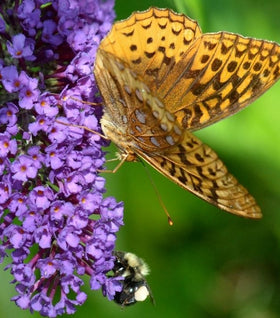
Black Knight Butterfly Bush
$69.95
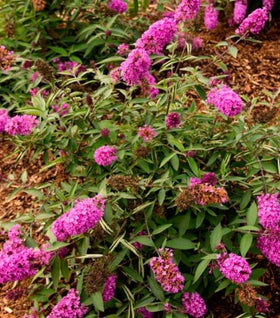
Flutterby Petite® Tutti Fruitti Butterfly Bush
$79.95
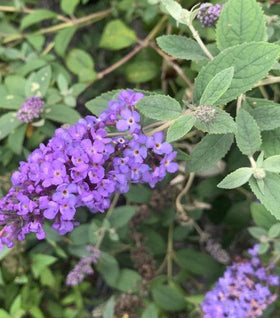
Flutterby Petite® Blue Heaven Butterfly Bush
$79.95

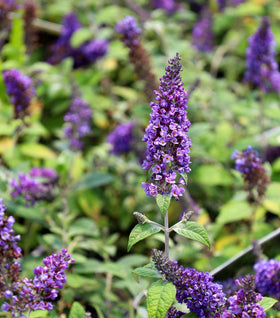
Lo & Behold® 'Blue Chip Jr.' Butterfly Bush
$99.95


Fast privacy and nonstop summer color.
If you want a shrub that fills space quickly and flowers hard, butterfly bushes deliver. In many gardens, they grow with vigor and can reach a substantial size (often 6–12 feet tall, depending on climate and cultivar), which makes them useful as back-of-border anchors, fence softeners, or fast “green mass” where a bed feels too open.
Their biggest value is timing: while spring shrubs finish and mid-summer perennials start to pause, butterfly bush can keep producing showy flower spikes through the heart of summer and into fall. That long bloom window is exactly what turns a garden from “pretty for a few weeks” into “looks great for months.”
Because these shrubs are strong growers, the best-looking plantings are planned with intention, enough room for mature width, and a pruning plan that keeps plants full and floriferous rather than overgrown. The good news is they’re forgiving: since they bloom on new growth, a confident early-spring prune is usually the difference between “fine” and “wow.”
Bold flower spikes and a pollinator party.
Butterfly bush is known for long, cone-like flower clusters in rich summer colors, often with noticeable fragrance and nonstop motion from visiting pollinators. It’s a high-visibility shrub, perfect for entry beds, patio borders, and anywhere you want blooms that read from the street and feel lively up close.
Mature size and habit vary widely across selections, from compact, dwarf forms to tall, arching shrubs, so you can match the plant to your space instead of forcing a big shrub into a small bed. In colder zones, plants may die back and regrow vigorously in spring, which can actually make them easier to manage while still delivering strong bloom later in the season.
Growth rate is often described as fast, which is great when you want results quickly, but it also means you should plan spacing and pruning with the end in mind. When plants have room, sun, and airflow, they tend to look fuller, bloom better, and stay healthier, especially in humid summers.
Plant it in full sun, with good drainage, for strong blooms.
Full sun is the bloom-maker here. With bright light, the butterfly bush develops sturdier growth and heavier flowering; in shade, it typically blooms less and can look looser. If your goal is maximum flower power, give it your sunniest real estate.
Soil should drain well—avoid sites that stay soggy, especially in winter, because wet conditions can lead to decline and root issues. If you have heavier clay, improving drainage (with berms, raised beds, or amended soil) is one of the best investments you can make for long-term performance.
For spacing, use mature width as your guide: larger forms may need several feet between plants, while compact/dwarf types can be planted closer for a fuller look sooner. If you’re building a drift, keep the spacing consistent, so the planting reads as one intentional mass rather than a collection of random shrubs.
Easy pruning, smarter choices, better results.
Pruning is simple and high-impact because flowers form on new wood. A common best practice is pruning in early spring to control size and encourage vigorous new growth that produces bigger bloom clusters; deadheading can also help keep flowering going and reduce unwanted seedlings.
Water regularly during establishment, then shift to deep, less frequent watering as roots expand (site dependent). Many butterfly bushes handle heat and some drought once established, but they’ll flower best with reasonable moisture during extended dry spells—especially in their first couple of seasons.