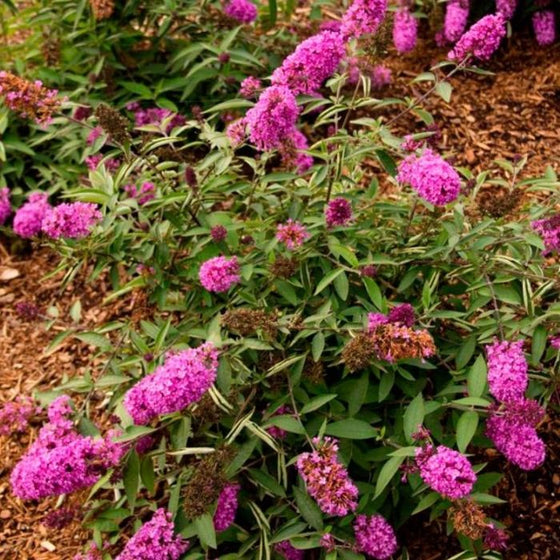

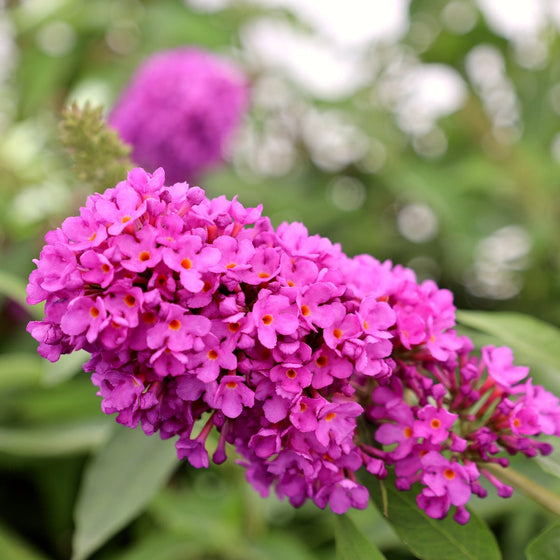


Images Depict Mature Plants
Flutterby Petite® Tutti Fruitti Butterfly Bush
Buddleia 'Podaras#13' PP22177
Flutterby Petite® Tutti Fruitti is a really smart butterfly bush choice for homeowners who want the look and pollinator appeal of Buddleja without committing to a big sprawling shrub. I like it for patio pots, small sunny borders, and front-of-bed pollinator plantings where every plant needs to stay in scale. The compact size is a big advantage, and the pink blooms keep the garden feeling active for a long stretch of the season.

Save Up to 25% On Your Order! Limited Time Only!
Discount Applied Automatically At Checkout
📦 Free shipping on orders over $99.
Delay shipping by leaving us a message at Checkout.
Share:



Compact Pink Color for Pollinator Gardens and Patio Pots
A Dwarf Butterfly Bush With Big Seasonal Color
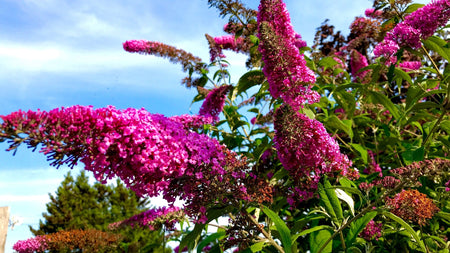
Flutterby Petite® Tutti Fruitti Butterfly Bush gives homeowners the pollinator appeal of a butterfly bush in a much more manageable size. This compact cultivar produces bright pink to fuchsia-pink flower spikes above soft silver-green to gray-green foliage, creating a lively summer look without taking over the bed. The bloom color is cheerful and saturated, making it especially useful in sunny borders, entry plantings, and patio containers where smaller shrubs need to work hard visually. Instead of disappearing in the landscape, this one brings a bright, energetic presence from the warm season well into fall.
It also blooms for an impressively long stretch. Sources describe flowering from late spring or early summer into early fall, often continuing until frost when spent blooms are clipped. That long season gives homeowners a compact shrub that keeps producing color after many spring shrubs have finished, helping smaller gardens stay active for much longer. For gardeners who want a smaller flowering shrub that still performs like a major summer feature, this cultivar checks that box.
Perfect for Small Gardens, Borders, and Containers
One of the biggest strengths of Flutterby Petite® Tutti Fruitti is scale. It typically matures at about 24 to 30 inches tall and wide, which makes it dramatically easier to place than older standard butterfly bushes that can become large, rangy shrubs. This smaller size makes it ideal for narrow beds, townhouse gardens, mixed perennial borders, and foundation plantings where a full-size butterfly bush would quickly feel oversized. It also makes the plant a much more realistic option for decorative containers on porches, patios, and sunny terraces.
Its habit is dense and compact rather than loose and sprawling, so it blends well with coneflowers, salvias, rudbeckias, lantana, and other sun-loving perennials. You can use it in repeating drifts through a pollinator border, as a low-flowering accent in front of taller shrubs, or as a container centerpiece with trailing companions along the edge. That flexibility is a major selling point for homeowners who want a shrub with flower power but do not want to redesign the whole bed around one vigorous plant.
Pollinator Appeal Without the Oversized Habit
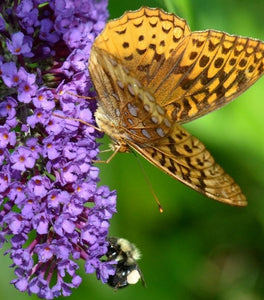
Like other butterfly bushes, Flutterby Petite® Tutti Fruitti is highly attractive to butterflies and hummingbirds, making it a strong choice for gardeners trying to create a more active pollinator-friendly landscape. The fragrant flower spikes bring movement and color at exactly the time of year when many pollinator gardens are building momentum. In a small space, that kind of wildlife value matters even more because every plant has to earn its place.
Another important advantage is that the Flutterby series has been bred to be sterile and non-seeding, which helps distinguish it from older Buddleja davidii types that are known for reseeding. For homeowners who love butterfly bush but want a cultivar bred for better garden behavior, this is a meaningful benefit. It lets the plant deliver bloom and pollinator value while fitting more comfortably into modern small-space landscapes and container displays.
Easy-Care Performance in Full Sun
Flutterby Petite® Tutti Fruitti performs best in full sun and well-drained soil. Once established, it is heat-tolerant and drought-tolerant, though container-grown plants will naturally need more regular watering than those planted in the ground. It is also described as deer and rabbit-resistant, which adds to its usefulness in landscapes where browsing pressure is a concern. Like many butterfly bushes, top growth may die back in colder climates and regrow from the roots in spring.
Pruning is straightforward because butterfly bush flowers on new growth. The best time to cut it back is early to mid-spring, which encourages fresh stems and strong flowering in the same season. Deadheading spent blooms can help extend flowering even longer. For homeowners who want a compact flowering shrub with strong summer color, pollinator appeal, and easier placement than traditional butterfly bush, this cultivar offers a very practical solution.
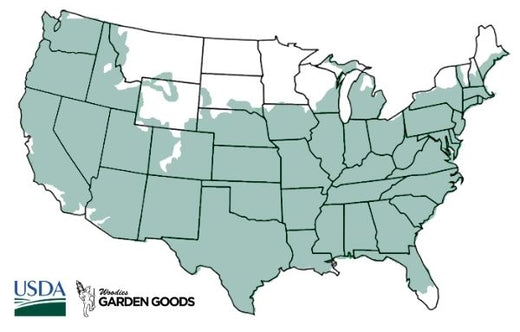
| Hardiness Zone: | 5-9 |
|---|---|
| Mature Height: | 24 to 30 Inches |
| Mature Width: | 24 to 30 Inches |
| Sunlight: | Full sun |
| Bloom Time / Color: | Late spring or early summer into fall; bright pink to fuchsia-pink flowers |
| Soil Condition: | Average to fertile, well-drained soil |
| Water Requirements: | Moderate during establishment; drought tolerant once established |
| Wildlife Value: | Attracts butterflies, hummingbirds, and pollinators |
| Resistance (deer/disease/drought/etc.): | Deer resistant, rabbit resistant, heat tolerant, drought tolerant once established |
| Landscape Uses: | Containers, small gardens, mixed borders, pollinator gardens, low hedge, patio plantings |
How to Care for Flutterby Petite® Tutti Fruitti Butterfly Bush
Be sure to read our planting instructions to ensure a healthy and happy Flutterby Petite® Tutti Fruitti Butterfly Bush for years to come!

How should I plant Flutterby Petite® Tutti Fruitti Butterfly Bush?
Plant Flutterby Petite® Tutti Fruitti in full sun and well-drained soil, whether you are placing it in the ground or in a patio container. For in-ground planting, dig a hole two to three times as wide as the root ball but no deeper than the root ball itself, then set the plant with the top of the root ball level with or slightly above the surrounding soil. That helps keep the crown from sitting too wet. If you are planting it in a container, use a well-drained potting mix and a pot with drainage holes. Its compact mature size makes it especially well suited to pots and small-space displays, but containers dry faster than garden soil, so placement and watering consistency matter more. In borders, allow enough spacing for the shrub to reach its full rounded size without crowding neighboring perennials.

How often should I water Flutterby Petite® Tutti Fruitti Butterfly Bush after planting?
Water deeply right after planting and keep the soil evenly moist during establishment. In the ground, that usually means deep watering once or twice a week at first, adjusted for rainfall and heat. Once the roots are established, this plant becomes much more drought-tolerant. Container-grown plants will need more frequent checking because pots dry out faster, especially in summer sun. Monrovia advises watering when the top 3 inches of soil are dry, which is a useful practical guide for container care and hot-weather maintenance. Good drainage remains important because butterfly bush does not like wet, soggy soil.

When should I fertilize Flutterby Petite® Tutti Fruitti Butterfly Bush?
Fertilize lightly in early spring if needed, using a balanced slow-release fertilizer for flowering shrubs or containers. This plant generally does not need heavy feeding, and too much fertilizer can encourage excess leafy growth instead of the balanced compact habit most homeowners want from a dwarf butterfly bush. This is an inference based on general butterfly bush culture and the cultivar’s moderate growth habit. In many landscapes, healthy soil, mulch, and moderate feeding are enough. For container-grown plants, a light seasonal feeding can help support continuous bloom, but it is still better to underfeed than overpush soft growth.

When and how should I prune Flutterby Petite® Tutti Fruitti Butterfly Bush?
Prune Flutterby Petite® Tutti Fruitti in early to mid-spring. Butterfly bush flowers on new growth, so spring pruning encourages fresh stems and flowering in the same season. In colder climates, wait until the risk of hard winter damage has passed and then remove any dead top growth as new growth begins. During the season, clip spent flower spikes to encourage more bloom through fall or even until frost. Because this is already a compact cultivar, pruning usually needs to be light and focused on cleanup and shaping rather than aggressive size control.