
Iris Plants for Elegant Blooms, Vivid Color & Lasting Garden Beauty
Easy-care perennials that bring crisp structure and unforgettable spring color.
If you want a perennial that looks “designed” the moment it wakes up, iris plants are the move. That upright, sword-like foliage gives your beds instant structure—clean lines that make everything around them look more intentional, then the blooms roll in with color that reads from the driveway. Most irises shine from mid-spring into early summer (with some types blooming earlier or later, and certain rebloomers giving you a second round), so you can use them to bridge that sweet spot between early bulbs and full summer borders. Give them strong light, great drainage, and a little breathing room, and they’ll reward you with bigger clumps and better flowering over time.
What I love most is how flexible they are for real landscapes: tuck them along foundations for crisp edging, line a walkway for a “garden-gate” moment, or mass them in sunny borders to create a repeating rhythm that looks high-end without being high-maintenance. The best long-term results come from simple habits: avoid soggy soils for rhizome types, keep beds clean to reduce pest and disease pressure, and plan to divide when clumps get crowded so blooms stay strong. And because homes often share space with pets, it’s smart to plant thoughtfully: irises can be toxic if chewed, with the highest concentration in rhizomes and bulbs. Wherever you plant them, you’re backed by the We Grow Together Promise, so you can garden with confidence, not guesswork.
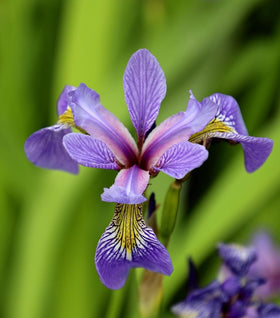
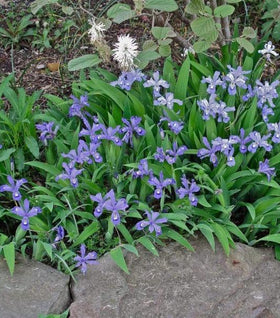
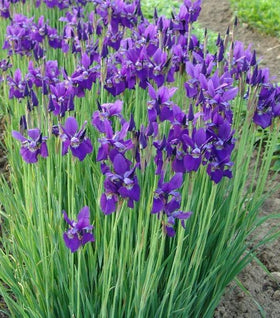

Turn borders into spring color.
Iris plants are one of the fastest ways to make a landscape look finished because they deliver both shape and show: vertical foliage for structure, then dramatic blooms that pop in late spring for many common garden types. In mixed beds, that means they “hold the line” even when other perennials are still filling in, and they pair beautifully with shrubs, ornamental grasses, and cottage-garden favorites. When you plant them in repeating groups, you get a professional designer effect, rhythm, cohesion, and a clear seasonal moment, without needing a complicated planting plan.
This collection can include different iris groups (rhizome and bulb types), which is a big advantage for shoppers: you can extend bloom by mixing forms and bloom periods, and you can match the right iris to the right spot, drier, sharply drained beds for many rhizomatous irises, or more consistently moist areas for moisture-tolerant types like many Siberian-style selections. That flexibility is why irises work for homeowners who want curb appeal and for landscapers who need reliable, repeatable performance.
Irises also pull their weight beyond flowers. Many form substantial clumps over time, which helps fill space and reduce “mulch-only” zones, and some types tolerate challenging conditions, such as periodic moisture or heavier soils (when matched correctly). That makes them useful in practical designs, along a swale, near a downspout-adjacent bed (with planning), or as a strong-edged planting at the front of a sunny border where you want clean lines all season.
If you’re planting for impact, think in clusters: three to seven rhizomes or plants in a pocket gives you a fuller look faster, while still leaving room for airflow (a quiet but important detail for keeping foliage healthier). And if you’re building a cutting garden, iris blooms can be a showpiece moment in spring arrangements, bold, architectural, and unmistakable.
Get bold blooms and clean structure.
Iris flowers come in a wide range of colors and forms, from classic “bearded” styles with ruffled falls to elegant beardless looks that feel lighter and more naturalistic. Many garden irises bloom in May in a big flush, while others are earlier, later, or even capable of reblooming under good conditions. The foliage is just as valuable: sword-shaped leaves create a crisp, upright fan that reads as intentional structure even when the plant isn’t flowering.
Mature size depends on type, but most fall into an easy-to-design-with range: roughly 12–36+ inches tall for many commonly grown garden irises, with clumps widening over time. Some selections reach 3–4 feet and create a taller vertical note, while dwarf types stay compact for edging and small-space beds. As clumps expand, they naturally create more stems, up to the point they get crowded, which is your cue to divide for renewed vigor.
Growth is steady rather than “runaway” in most ornamental garden settings, but irises do appreciate room and sunlight. Proper spacing and good drainage reduce the risk of common problems like soft rot and leaf diseases, and they also help the plant build strong rhizomes or bulbs that fuel next year’s bloom. If you’ve ever had irises that leafed out but didn’t flower well, overcrowding and light are two of the first things to check.
Seasonal interest doesn’t stop when blooms fade. After flowering, keeping the foliage healthy through the summer helps the plant store energy for next year. You can deadhead flower stalks for a tidier look, but let the leaves keep working until they naturally decline later in the season, especially if you’re aiming for stronger blooms the following spring.
Place them where they thrive.
Most irises perform best with plenty of sun, think 6–8 hours for strong flowering, though some types tolerate part shade, especially in hotter climates or in “bright shade” situations. The biggest make-or-break factor is drainage for many rhizome irises: they dislike sitting wet, and consistently soggy beds raise the risk of soft rot. If your soil is heavy, consider a raised bed, a slope, or amending for better drainage.
For spacing, plan on about 12–18 inches between many bearded iris rhizomes (wider for taller types, a bit closer for dwarfs) so plants can size up without immediately competing. That spacing also improves airflow, which helps reduce foliar disease pressure. For a “filled-in” look, plant in groups, then expect that you’ll divide sooner as clumps knit together.
Use irises strategically: line sunny walkways, frame mailboxes, anchor foundation beds with crisp foliage, or mass them in borders for a strong spring focal point. Moisture-tolerant types can be excellent near ponds and rain-garden edges, but be selective: yellow flag iris (Iris pseudacorus) is widely reported as invasive in parts of the U.S., with restrictions/concerns in multiple states, so it’s best avoided unless you’ve verified local guidance.
Simple care, bigger bloom years.
Planting technique matters with irises, especially rhizome types: good drainage, good air movement, and avoiding conditions that keep the crown overly wet are key long-term success factors. Many bearded irises prefer their rhizomes set shallow (often with the top near or slightly exposed) so they can warm in the sun. This supports flowering and helps prevent rot that can occur when beds stay too damp.
Watering is straightforward: keep new plantings consistently moist while they establish, then aim for “even but not soggy,” adjusting based on your soil and the iris type. Fertility is usually light; many irises respond best to balanced or low-nitrogen feeding in early spring (and sometimes after bloom for rebloomers), because excessive nitrogen can push leafy growth at the expense of flowers and increase rot risk in poorly drained beds.
Pruning and cleanup are about setting up next year’s show. Remove spent flower stalks after bloom, keep beds free of dead foliage, and watch for classic issues like iris borer damage (streaking/wilting as larvae tunnel) that can open the door to bacterial soft rot. Sanitation, removing and destroying infested or rotting material rather than composting it, goes a long way toward preventing repeat problems.
Division is your “reset button” for better flowering. Many rhizomatous irises are divided just after flowering or in mid/late summer, and a common cadence is every 3–5 years (or sooner if bloom drops and clumps get tight). Replant the healthiest pieces, discard any that are soft or foul-smelling, and give the refreshed planting space. Those small steps often produce a noticeable jump in vigor the next season.