
Birch Trees for Distinctive Bark, Graceful Form & Fall Color
Peeling bark, airy shade, and golden fall color—fast.
Birch trees are the kind of “instant character” you can plant—light, graceful canopies overhead, fluttery foliage that casts soft shade, and bark that stays interesting even when the garden goes quiet. This collection leans into the classics people want for four-season beauty: river birch (including selections known for exfoliating bark and better heat tolerance), plus white-barked types where they’re a good fit, and multi-stem clump forms that look like living sculpture in modern and cottage landscapes. Expect quick juvenile growth, a clean silhouette as the tree matures, and that signature fall finish—often buttery yellow to warm gold—before the bark takes center stage again in winter.
At Garden Goods Direct, every birch is nursery-grown and zone-ready, with honest height/spread, growth rate, and siting guidance to make success simple. Choose clump forms for instant architecture, single-stem specimens for allees or statement entries, and improved cultivars bred for vigor and leaf quality. We ship fast and back your order with our "We Grow Together" Promise so you can buy birch trees online with confidence.
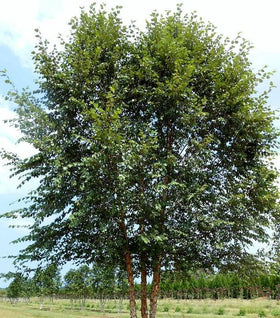
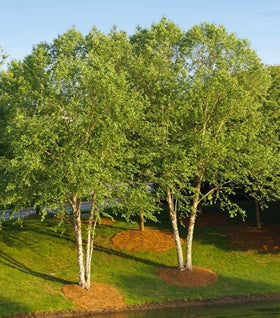
Heritage River Birch
As Low As $98.95
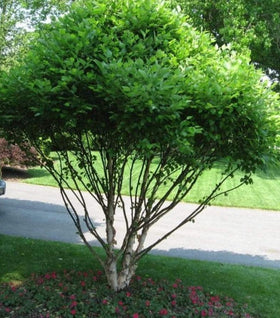
Build a landscape with year-round texture.
Birch trees earn their keep in every season, which is why they work so well as specimen trees, backdrop shade, and “anchor points” in designed landscapes. Spring brings fresh green leaves and discreet catkins; summer delivers airy shade that doesn’t feel heavy; fall turns the canopy golden; and winter shows off bark that can peel, curl, and glow against evergreens or snow. If you want a tree that looks intentional in January—not just July—birch is a high-impact choice.
They’re also surprisingly versatile in style. A single-stem birch reads elegant and architectural, while a clump (often 3–5 stems) adds movement and depth—perfect near patios, in front-yard islands, or at the edge of a woodland where you want a natural look that still feels designed. River birch, in particular, is widely used for its distinctive exfoliating bark and adaptability compared with more heat-sensitive white-barked birches.
It’s worth matching “bark goals” to long-term durability. Many white-barked birches are more vulnerable to bronze birch borer than non-white-barked species, and stressed trees are the ones most likely to be attacked. Choosing more resilient species/cultivars for your climate—then planting them correctly—often matters more than any single product or treatment later.
Choose bark color, canopy shape, and mature size.
Birch “flowers” are understated, but their form is anything but. You’re shopping for canopy shape (single-trunk vs. clump), bark character (peeling, exfoliating, or bright white), and the mature footprint that fits your space. Many landscape birches fall into a medium-size range and can be trained to keep a tidy canopy—ideal when you want shade and presence without the overwhelming scale of the largest hardwoods.
The bloom window is typically spring, with catkins opening around April–May for widely planted types like river birch (timing shifts by region and weather). Catkins aren’t the show—bark and canopy are—but knowing bloom timing helps you plan early-season care and scouting, especially in years when spring heats up fast.
Growth rate is often described as fast, particularly early on, which is why birch can transform a newer landscape quickly. That speed is a big benefit—just remember it also means you should plan spacing for the mature spread, not the sapling size on planting day, and give the tree a root zone that won’t bake in summer heat.
If you’re considering non-native white-barked birches (like silver birch in some regions), check local guidance—some birches can self-seed readily and may be considered invasive or undesirable in certain areas. The safest approach is to choose region-appropriate types and keep an eye on seedlings if you’re planting near natural areas.
Plant them where they thrive, not just where they fit.
Birches reward smart placement. Many references emphasize full sun to light/dappled shade and consistently moist, well-drained soil—plus the idea that birches like their roots cool and their leaves in good light. In warmer climates, a location that avoids late-day heat buildup (think: east- or north-facing exposure or afternoon shade) can reduce stress and help the tree resist pests.
Spacing depends on the mature width and whether you’re planting a single tree or building a grove effect, but “give it room” is the winning rule. For medium-to-large birches like river birch, landscape guidance commonly recommends wide spacing—often on the order of 35 feet between medium-sized trees for long-term canopy health —and keeping substantial distance from other large trees/structures when mature spread is expected. If you’re using clumps, treat the whole clump like one wide tree when you plan distances.
Birches also play well in functional designs. River birch is frequently used where moisture is present (or where occasional wet feet happen) and can be a strong choice for rain-garden edges or low spots that stay more consistently damp—while still appreciating light and airflow. On drier sites, plan for mulch and irrigation support during heat waves; birch decline is often a stress story first, pest story second.
Finally, think ahead about maintenance access. If you need to scout for leafminers, treat a pest issue, or prune safely, you’ll want working room around the tree—another reason not to squeeze birch into narrow strips between pavement and a wall. “Right plant, right place” is a big part of keeping birch low-drama over time.
Keep care easy with the right timing.
Birches are not complicated, but they do have a “golden rule”: reduce stress. Keep them watered during establishment and dry spells, maintain a mulch ring to moderate soil temperature and conserve moisture, and avoid damaging the trunk with mowers or trimmers. Healthy, vigorous birches are far less likely to succumb to major pests like bronze birch borer, which preferentially attacks weakened trees.
Pruning timing is one of the biggest confidence moves. Many guides recommend pruning birch during dormancy (late fall through winter), and avoiding early spring cuts that can cause heavy sap “bleeding.” It’s also commonly advised to avoid pruning during the warm season when borers are active and may be attracted to fresh wounds. Keep pruning light—remove dead or damaged branches, improve structure, and preserve the natural form.
Know the key cautions so you can act early. Bronze birch borer symptoms can include thinning foliage, dieback beginning in the upper canopy, and characteristic exit holes; prevention focuses on keeping trees vigorous and choosing more resistant birches for your region. Birch leafminers can cause blotchy browning between leaf surfaces, often showing up early in the season; outbreaks vary by year and species, so early identification helps you decide whether intervention is warranted.
Disease-wise, leaf spots and cankers can occur, especially when leaves stay wet and airflow is poor. Good spacing, avoiding overhead irrigation where practical, and prompt cleanup of fallen leaves (when disease is present) can reduce recurrence. If you’re in a hot, humid region, favor heat-tolerant birch choices (like river birch types) and prioritize that “cool roots” strategy—because climate fit is the simplest form of disease and pest prevention.