
Assorted Perennials for Lasting Color, Texture & Garden Beauty
A rotating mix of tough, beautiful perennials to solve garden gaps fast.
This collection is for the real-life gardener moment: you’ve got a spot that looks unfinished, a bed edge that needs polish, or a planting that’s missing that “something.” Miscellaneous perennials are the grab bag that makes gardens better, groundcovers that knit soil together, clumpers that add clean shape, and bloomers that bring color in the weeks you need it most. Because the assortment can rotate, it’s also a smart place to discover plants you might not have searched for by name, those reliable, hardworking perennials that quietly become favorites once you see how they perform in your yard.
Here’s how I think about it: pick for the job first, then for the look. Need coverage? Reach for a groundcover-style perennial. Need structure? Choose a tighter clumping habit. Want seasonal pop? Look for varieties known to bloom in spring, summer, or fall—because perennials don’t all peak at the same time, and that’s how you build a garden that stays interesting all season. And because perennials are a broad category, it’s also wise to check any cautions per plant, especially if pets are part of the landscape—since some ornamentals can cause problems if chewed. You’re backed by the We Grow Together Promise.
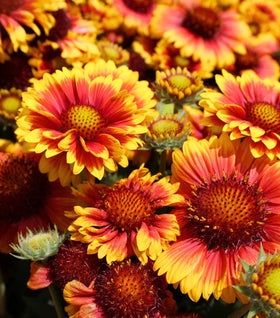
Arizona Sun Blanket Flower
As Low As $18.95

Ascot Rainbow Euphorbia
As Low As $20.95
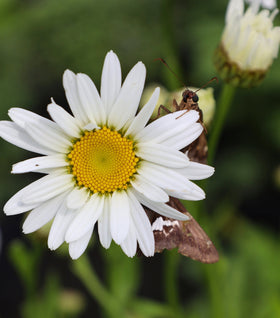

Bleeding Hearts Heliopsis
$29.95


Butterfly Blue Pincushion Flower
$18.95
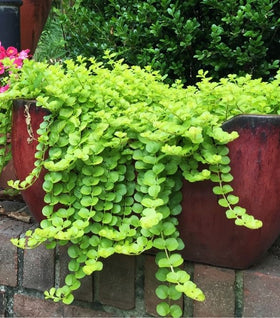


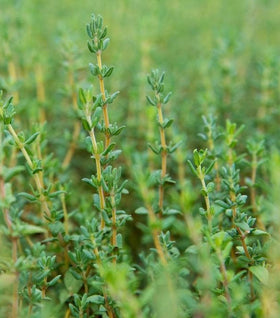


Epimedium Sulphureum
$27.95
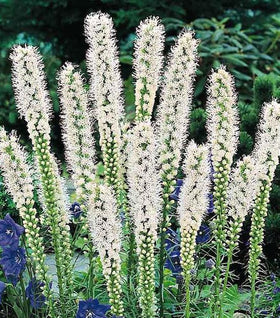


Gateway Joe Pye Weed
As Low As $32.95


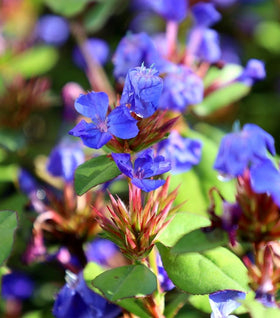
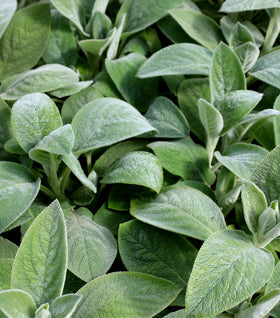
Helen von Stein Lamb’s Ear
As Low As $26.95


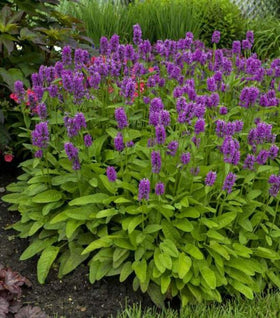
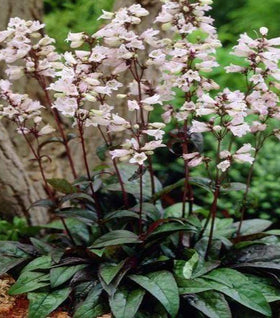

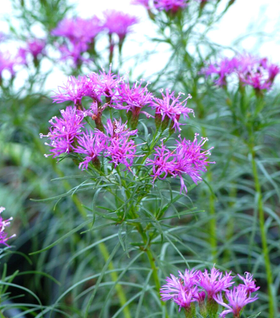
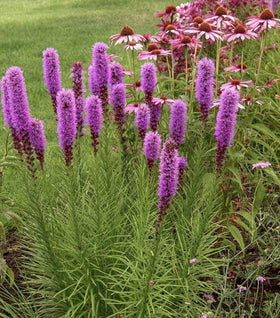
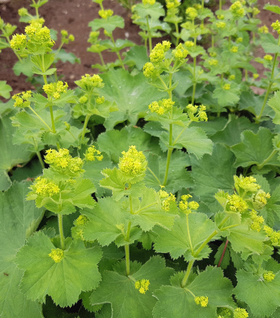
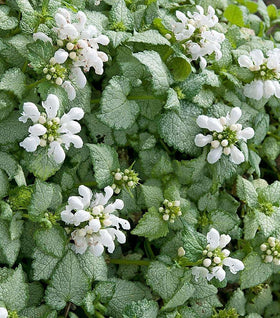


Lily of the Valley
As Low As $19.95


New York Ironweed
$28.95


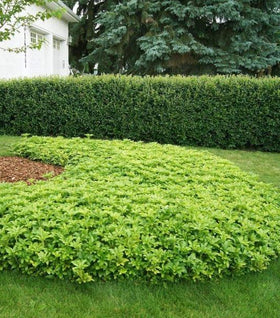
Pachysandra (Japanese Spurge)
As Low As $18.95
Solve garden gaps with reliable return color.
Miscellaneous perennials are the fastest way to turn “empty space” into “finished garden,” because you’re shopping by function as much as by beauty. This collection is especially useful when you need a dependable filler between shrubs, a living edge along a walkway, or a plant that can handle the day-to-day reality of home landscapes. Since the lineup can include multiple growth habits and bloom seasons, it’s a practical way to build continuity—spring interest flowing into summer color, then late-season texture, without rebuilding a bed from scratch.
Perennials also earn trust because they’re designed to return year after year. Once established, many perennial types settle into a repeatable cycle: growth, bloom (if applicable), and a rest period, then return the next year with greater presence. That “returns every year” performance is exactly what helps homeowners and landscapers justify planting upgrades: less replanting, greater lasting impact, and a garden that improves over time rather than resetting every season.
Because this is a mixed category, think of it as a solution shelf. If you need something that spreads to cover soil, stays in a tidy clump, or shines in containers near your entry, you’ll typically find options that meet those goals. The key is matching the habit to the site so the plant does the work you want, without creating extra maintenance later.
Groundcovers to bloomers - choose your look.
Expect variety: different foliage textures, plant shapes, and “moments” throughout the season. Some perennials in a mixed assortment are chosen for blooms, while others are chosen because their foliage makes the bed look designed, even when nothing is flowering. That’s how great borders feel intentional, color is the headline, but texture is what keeps the garden looking good every day in between.
Bloom windows in a collection like this can range widely, from spring through fall, because the category isn’t tied to a single genus or bloom time. That’s a feature if you use it on purpose: place early bloomers where you’ll see them from the kitchen window in spring, use mid-summer performers where you entertain, and let late-season bloomers carry your beds into fall. The result is a landscape that looks “in season” longer, not just during one peak week.
Mature size and growth rate will vary by plant, so it helps to shop with a simple rule: pick a plant that fits the space at maturity, not just at planting day. Some options will be compact and slow-and-steady; others may spread or bulk up faster. When you match the plant’s natural habit to the job, edge, fill, soften, or accent, you get a better-looking bed with fewer “why is this taking over?” surprises.
Sun or shade options for every corner.
A miscellaneous perennial mix is ideal for yards that aren’t one lighting condition all day. Many perennial options thrive in full sun, while others perform best in part shade or shade, so you can solve a sunny curbside bed and a shaded side-yard border without forcing the wrong plant into the wrong spot. If you’re filling multiple areas, sort your choices by light first (sun vs shade), then by habit (clump vs spread), and you’ll get stronger results with less trial and error.
Spacing is where success becomes predictable. Because habits vary, spacing ranges will vary too, but the principle stays the same: give plants enough room for airflow and mature width so they stay healthier and look better. Tighter spacing can create a faster “filled-in” look, while slightly wider spacing often reduces disease pressure and keeps each plant’s natural shape crisp.
Use these perennials strategically: edging along paths, softening the front of shrub beds, covering bare soil under taller plantings, or creating a container-ready “green base” you can refresh with seasonal accents. A mixed category like this is also great for solving odd spots—narrow side beds, awkward transitions, or areas that need texture more than flowers, because you can choose the right tool without being locked into one plant type.
Simple perennial care, season after season
Perennial care is usually straightforward when you match the plant to the site: establish roots with consistent watering, then shift to a steadier, lower-input routine. Many perennials prefer well-drained soil, and common problems often come from the same handful of causes: too much water, too little light, or crowding that reduces airflow. Start with the right placement, and care becomes a short checklist instead of a constant project.
Pruning timing also depends on the plant, but many perennials share a similar rhythm: tidy up old growth in late winter to early spring before new growth starts, then deadhead or trim during the season if you want a cleaner look or extended bloom. In mixed beds, this keeps everything looking intentional, especially in high-visibility areas like entry plantings and foundation borders.