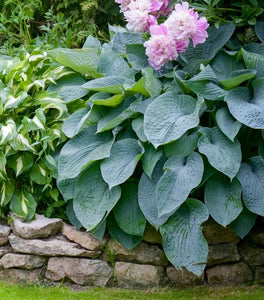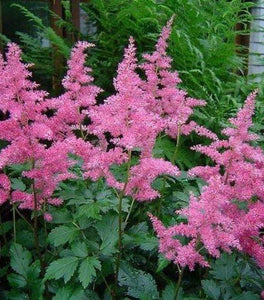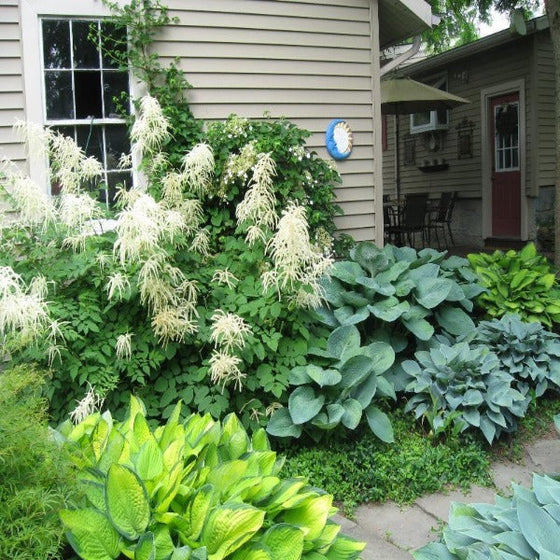

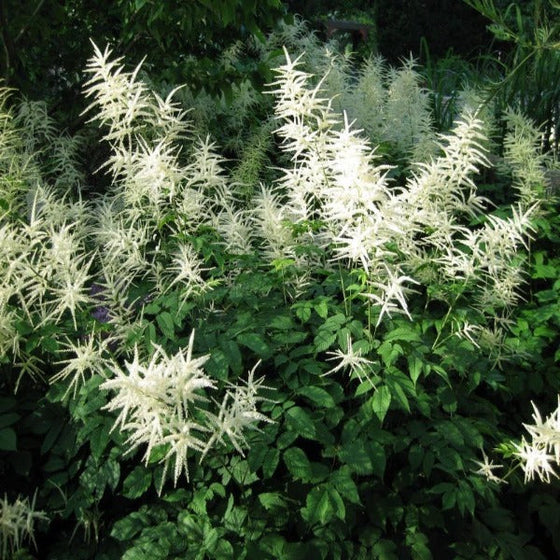
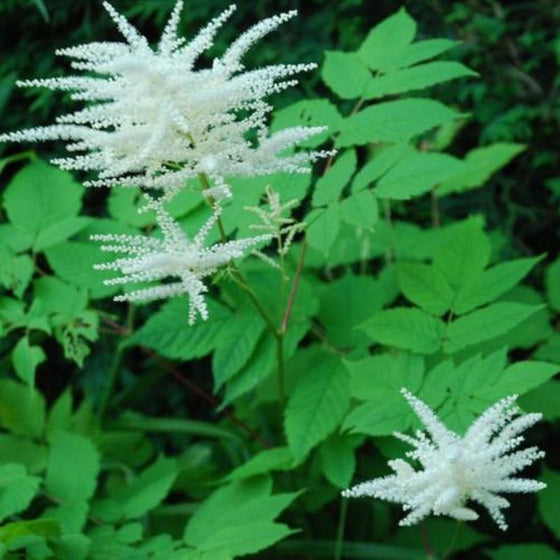


Images Depict Mature Plants
Goatsbeard (Aruncus dioicus)
Aruncus dioicus
Goatsbeard is a great plant when a shade garden needs height, softness, and a little drama. The white plumes brighten woodland beds like an oversized astilbe, and the ferny foliage keeps the planting full after bloom. Give it rich soil and steady moisture, and it becomes a dependable deer-resistant anchor for shaded borders, moist garden edges, and naturalized perennial beds.

15% OFF SITEWIDE, USE CODE 'FALLPLANT15'
📦 Free shipping on orders over $99.
Delay shipping by leaving us a message at Checkout.
Share:


A Tall Native Shade Perennial with Airy White Flower Plumes
Creamy White Plumes for Moist Woodland Gardens
Goatsbeard is a bold, clump-forming perennial grown for its large fern-like foliage and airy cream-white flower plumes that rise above the plant in late spring to early summer. The flowers have a soft, feathery look that gives shaded garden beds a bright, elegant lift just when many woodland perennials are settling into their summer foliage.
Aruncus dioicus is often compared to astilbe because of its plume-like flowers, but it grows larger and has a more natural woodland presence. It is a strong choice for gardeners who want a native-style perennial with height, texture, and a graceful flowering display in moist, partly shaded spaces.
Ferny Foliage and Early Summer Flowers with Natural Texture
The dark green compound foliage gives Goatsbeard a full, shrub-like look through the growing season. Its divided leaves create a soft texture that pairs beautifully with hostas, ferns, heuchera, astilbe, brunnera, ligularia, woodland phlox, and shade-tolerant grasses. Even after bloom, the foliage helps fill space and add depth to the shade garden.
In early summer, the plant produces branched plumes of tiny cream to white flowers. Male and female flowers occur on separate plants, and flower appearance may vary slightly, with male plants often appearing showier and female plants sometimes producing softer, more pendent plumes. Either way, the effect is bright, natural, and well suited to woodland-style planting.
A Strong Anchor for Shade Borders, Woodland Beds, and Moist Garden Edges
Goatsbeard works best where it has room to mature. Use it in the middle or back of shade borders, along woodland paths, near moist garden edges, in naturalized beds, or as a bold companion to large foliage plants. Its height makes it useful where a bed needs vertical structure without using a shrub.
This perennial is especially effective as a backdrop for lower-shade plants. The white plumes brighten darker corners, while the foliage creates a lush background for blue, burgundy, chartreuse, and deep green companions. In the right location, Goatsbeard can make a shaded planting feel fuller, softer, and more intentional.
Deer Resistant, Pollinator Friendly, and Best with Steady Moisture
Goatsbeard is generally considered deer-resistant, making it useful in shade gardens where deer often browse softer foliage plants. Deer resistance can vary by location and pressure, but this plant is a strong lower-risk choice for moist woodland beds and shaded borders.
The flowers can support pollinators and add seasonal wildlife value to the garden. Goatsbeard is not drought-tolerant and performs best in moist, fertile, organically rich soil. In hot climates or brighter exposures, consistent moisture and afternoon shade are especially important to prevent stress, browning, or leaf scorch.
Easy Care When Planted in the Right Spot
Plant Goatsbeard in part shade to shade with rich, consistently moist, well-drained soil. It can tolerate more sun in cooler climates if moisture is steady, but in warmer areas, it should be protected from hot afternoon sun. Amending the soil with compost at planting helps create the organic woodland conditions this perennial prefers.
Water regularly after planting and continue watering during dry spells. Mulch helps conserve moisture and keep roots cooler. Cut old stems back in late winter or early spring before new growth appears, and divide mature clumps only when needed, since Goatsbeard is slow to establish and appreciates being left undisturbed.
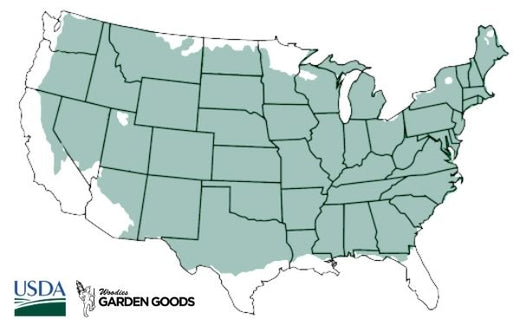
| Hardiness Zone: | 4-8 |
|---|---|
| Mature Height: | 4 to 6 Feet |
| Mature Width: | 2 to 4 Feet |
| Sunlight: | Part shade to shade; tolerates full sun in cooler climates with consistent moisture |
| Soil | Moist, fertile, organically rich, well-drained soil |
| Water | Water regularly after planting; prefers consistent moisture and is not drought tolerant |
| Bloom Time / Color | Late spring to early summer; cream to white plume-like flowers |
| Ornamental Features | Tall white plumes, ferny foliage, woodland texture, bold shade-garden structure |
| Wildlife Value | Flowers attract pollinators and beneficial insects |
| Resistance | Generally deer resistant; tolerates moist soils; not drought tolerant |
| Landscape Uses | Shade borders, woodland gardens, moist garden edges, naturalized beds, back borders, pollinator-friendly shade plantings |
How to Care for Goatsbeard (Aruncus dioicus)
Be sure to read our planting instructions to ensure a healthy and happy Goatsbeard Plants for years to come!
-v1746122505096.png?92x91)
How should I plant Goatsbeard?
Plant Goatsbeard in part shade to shade with moist, fertile, well-drained soil. Choose a location with enough room for the plant to reach its mature size, since Aruncus dioicus can become a large, shrub-like perennial over time. Morning sun or filtered light is ideal, especially in warmer regions. Dig a hole about twice as wide as the root ball and just as deep. Set the crown level with the surrounding soil, backfill with soil improved with compost, and water thoroughly. Mulch around the plant to help conserve moisture, but keep mulch from piling directly against the crown.
-v1746122547844.png?89x84)
How often should I water Goatsbeard after planting?
Water Goatsbeard deeply after planting, then keep the soil consistently moist while roots establish. During the first growing season, check the soil regularly and water when the top few inches begin to dry. Goatsbeard is not drought tolerant, so even established plants may need supplemental water during hot or dry periods. Consistent moisture helps prevent leaf browning and supports fuller foliage and better flowering. Avoid waterlogged soil, but do not let the plant dry out for long stretches.
-v1746122567927.png?90x89)
When should I fertilize Goatsbeard?
Fertilize Goatsbeard in spring with compost or a balanced slow-release fertilizer if soil fertility is low. This plant performs best in organically rich woodland-style soil, so compost is often the best way to feed gently while improving moisture retention. Avoid heavy high-nitrogen feeding, which can encourage soft growth. The goal is steady, healthy foliage and strong flowering in rich, moist soil rather than forced growth.

When and how should I prune Goatsbeard?
Prune Goatsbeard after the foliage has died back in fall or in early spring before new growth emerges. Cut old stems close to the ground to make room for fresh spring growth. Spent flower plumes can be removed after bloom if you prefer a tidier look. You can also leave them for a more natural woodland effect. Mature clumps can be divided in spring if needed, but Goatsbeard is often best left undisturbed unless it has outgrown its space.