
Assorted Shrubs for Color, Privacy & Lasting Landscape Structure
A rotating mix of shrubs to solve garden gaps with structure and seasonal color.
This collection is where you go when you’re shopping by need, not just by name. Maybe you’re filling an awkward corner, building a quick structure along a fence line, or looking for one “feature shrub” that makes the whole bed feel finished. Because the assortment rotates, you’ll see a mix of evergreen texture, flowering moments, and unique foliage options, perfect for homeowners and landscapers who want a practical solution now, plus the chance to discover something unexpected that performs beautifully in real landscapes.
The best way to shop a mixed shrub collection is to start with site fit: light (sun vs. shade), drainage (fast vs. consistently moist), and mature size (so you’re planting for the future, not just today). Then think maintenance: spring-blooming shrubs are often pruned soon after flowering, while many summer bloomers and many evergreens are shaped in late winter to early spring, timing that helps you keep blooms and keep plants tidy. And because “miscellaneous” can include many plant families, it’s smart to check notable cautions per plant (pet toxicity, invasiveness in certain regions, or common pests) before you lock in your final picks. You’re backed by the We Grow Together Promise.


Amethyst Falls Wisteria Vine
As Low As $49.95
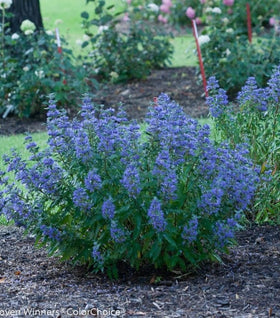
Beyond Midnight® Bluebeard
$109.95


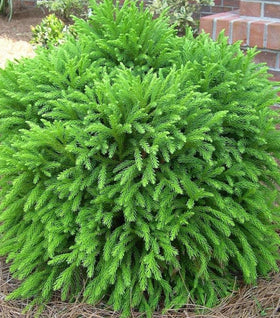


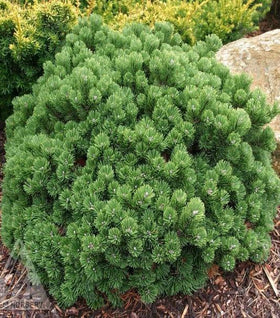
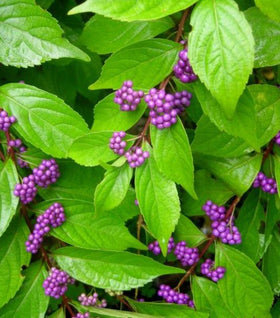


First Editions® Coppertone™ Distylium
$89.95
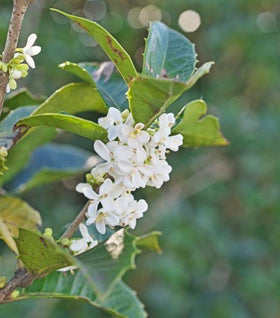

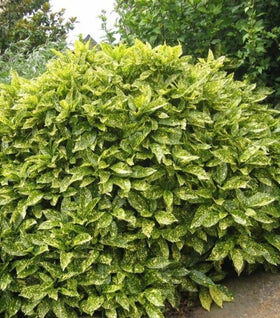


Kramer's Red Heather
As Low As $36.95

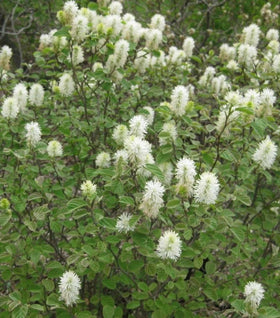
Legend of the Fall® Fothergilla
$119.95

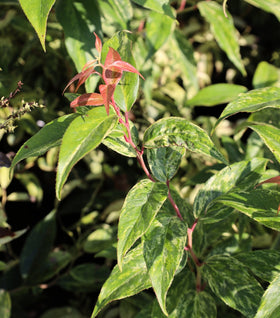
Leucothoe Girard's Rainbow
As Low As $39.95
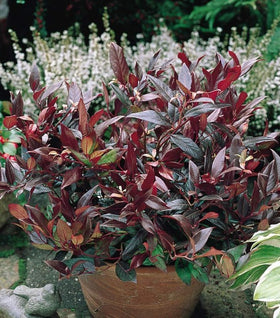

Madison Star Jasmine
As Low As $42.95

Mediterranean Pink Heather
As Low As $36.95
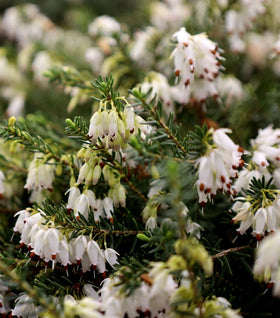
Mediterranean White Heather
As Low As $36.95

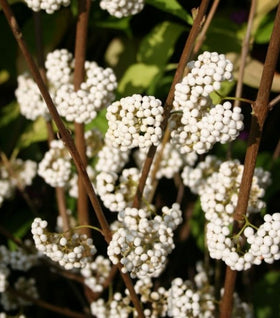
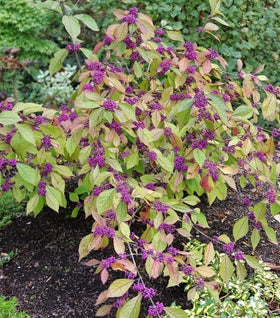
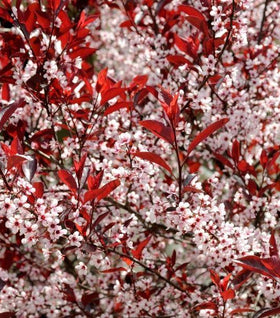


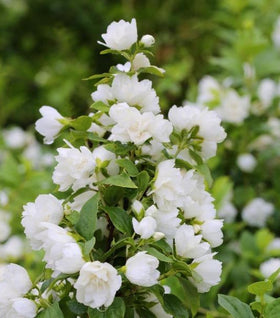



Tri-colored Dappled Willow
As Low As $36.95

Finish beds fast with the right shrub.
A great shrub does one job extremely well: it gives a landscape shape. In a rotating assortment like this, you can typically find shrubs that act as ever-present “bones” (evergreen structure), shrubs that deliver a seasonal show (flowers, berries, or fall color), and shrubs that solve awkward spaces (compact forms for tight foundations, taller forms for screening, or textured fillers for mixed borders). The win is speed—shrubs make a garden look more intentional quickly because they’re visible at eye level and hold their form longer than many perennials.
Because the mix changes, this collection is also a smart way to shop for opportunity. When you see a shrub that fits your light and your space, you can grab it and build around it—using repetition (3–5 plants) for a designed look, or using one standout shrub as a focal point near an entry or patio. This is especially helpful when you’re “patching” a bed: one well-chosen shrub can hide a bare foundation line, soften a fence, or bridge two different planting styles so the whole space reads as one cohesive design.
If you’re planning a hedge or border line from a mixed assortment, spacing is where you control the finished look. Closer spacing gives a faster, fuller mass; wider spacing gives each shrub room to show its natural silhouette and improves airflow. Since airflow influences plant health and helps reduce stress-related disease issues for many shrubs, giving plants enough breathing room is one of the easiest “low-maintenance” upgrades you can make from day one.
Evergreen texture, flowers, and seasonal interest.
In a miscellaneous shrub mix, bloom window and seasonal interest will vary—so it helps to shop by calendar. Some shrubs peak in spring, others in summer, and some earn their keep with evergreen foliage or winter structure even when flowers are finished. That variety is exactly what makes mixed shrub borders feel rich: you’re not betting the whole bed on one bloom week, you’re building a sequence of interest that keeps the landscape attractive across seasons.
Mature size is just as variable, and that’s a feature, if you use it intentionally. Compact shrubs can define edges and foundation lines without blocking windows, while larger growers can serve as privacy anchors or back-of-border structures. The “no regrets” rule is simple: choose a shrub that fits the space at maturity, then use pruning to refine—not to rescue a plant that will always be too big for the bed.
Growth rate will also differ by plant, but establishing success follows the same principles across most shrubs: correct planting depth, thorough watering right after planting, and smart first-year watering focused on the root ball while roots expand into surrounding soil. Most shrub losses happen early from inconsistent watering (too much or too little), so treating year one like “root-building season” is how you get faster growth and better long-term performance.
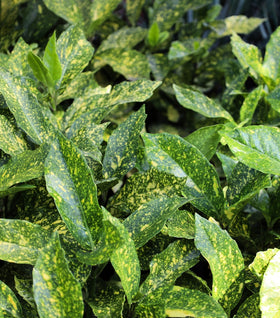
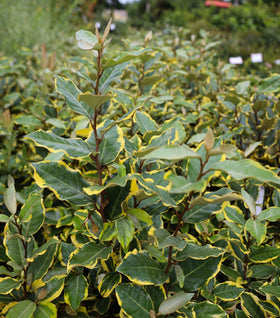
If you’re shopping for leaf color (gold, burgundy, variegation), remember that light drives performance. Many colorful foliage shrubs hold their best color in brighter light, while shade often shifts leaves greener and can loosen growth. The practical move: prioritize the light requirement first, then choose the foliage look you want within that light zone—so the shrub performs like the photos, not like a compromise.
Planting spots that match each shrub’s strengths.
Start every pick with sunlight. Mixed collections usually include shrubs suited to full sun, partial shade, and sometimes deeper shade, so your best results come from sorting your choices by site light first. When you match light correctly, shrubs grow denser, flower more reliably, and resist stress better, which means less pruning “fixes” later and fewer pest/disease headaches tied to weak growth.
Next, decide whether your site is “drains fast” or “holds moisture.” Many shrubs prefer moist, well-drained soil; fewer thrive with wet feet. If you’re unsure, watch the area after a heavy rain: if water lingers, choose moisture-tolerant shrubs or improve drainage (e.g., a berm, a raised bed, or soil structure). Getting drainage right up front is one of the most reliable ways to avoid root problems and increase survival.
Spacing should be planned around the mature width and your design goal. For a full, continuous look (like a hedge or mass planting), you’ll space closer, still leaving enough airflow to keep plants healthy. For a more “specimen” look, give shrubs the room they need to develop their natural form. Either way, make sure you can access plants for watering during establishment and for seasonal pruning; maintenance is easier when the planting plan leaves you room to work.
Finally, use shrubs where they solve real problems: screening along a fence, softening hard corners, building a layered foundation, or anchoring a mixed border behind perennials. When you place shrubs as structure first (and decoration second), the landscape stays attractive even when flowers aren’t in play—and the whole planting looks more intentional year-round.
Easy care that keeps mixed plantings thriving.
The first-year care routine is the biggest success lever: water well after planting, mulch to conserve moisture, and focus watering at the root ball while roots establish. Many shrub failures come from inconsistent watering in the first few months, so “steady moisture, not soggy soil” is the goal, adjusting for rainfall and drainage.
Pruning is where mixed collections require a simple decision: does it bloom on old wood or new wood? A reliable rule of thumb is to prune spring-blooming shrubs soon after they flower (since many set buds on old wood), while late winter to early spring is a common window for pruning many other shrubs when structure is easier to see. When in doubt, prune lightly and time major shaping to protect bloom.
Fertilizing is often optional, not automatic. Many extension resources emphasize that proper siting and planting matter more than heavy feeding; once shrubs are established, fertilize only when there’s a clear need (poor growth, known nutrient deficiency, or soil test guidance). Over-fertilizing can create soft growth that’s more vulnerable to pests and stress, so “less, but smarter” is typically the best approach.