
Loropetalum Shrubs for Purple Foliage & Vibrant Pink Blooms
Evergreen color and early-spring blooms that make landscapes look instantly upgraded.
Loropetalum (Chinese fringe flower) is one of the quickest ways to make a bed look “designer” before the rest of the landscape even wakes up. Those strap-petaled, fringe-like blooms appear late winter into early spring (timing varies by region), and many selections offer rich foliage color, often purple, so the shrub keeps earning its keep long after flowering. I love it for foundations, borders, and color blocks where you want evergreen presence with a real seasonal moment, not just a green backdrop. Put it in the right light, and you get a stronger bloom and better leaf color, which is exactly the kind of performance homeowners and landscapers want from a shrub that’s meant to anchor the scene.
The confidence play is simple: give it sun (or sun with afternoon relief), keep the soil on the acidic side, and make drainage a non-negotiable. Once established, it’s noted as drought-tolerant, but it won’t tolerate “wet feet,” and alkaline soils can cause chlorosis, two avoidable issues that come down to site choice. If you ever need to shape it, prune after the main spring bloom so you keep next season’s flower potential and give it time to recover. With the We Grow Together Promise behind you, loropetalum becomes a dependable, repeatable shrub you can use year after year for year-round color and early-season impact.
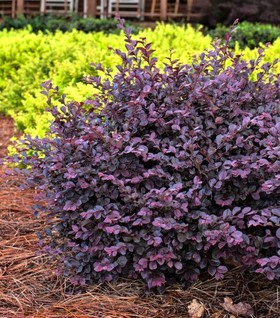
First Edition® Crimson Fire™ Loropetalum
$109.95
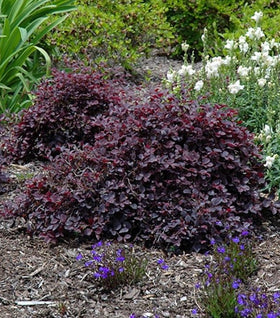

Instant color for evergreen foundations.
Loropetalum is a standout “base layer” shrub because it delivers both structure and color without needing flowers to do all the work. Many forms are evergreen to semi-evergreen, and the rounded-to-vase shape with arching branches makes beds look fuller and more intentional, especially along foundations and fence lines. If you’ve got a landscape that feels flat in winter, loropetalum adds depth and contrast immediately, then layers on bloom as the season turns.
This collection is especially useful because loropetalum covers multiple roles: compact mounds for the front of beds, mid-size shrubs for massing, and larger selections that can become screen-worthy accents. That range lets you keep a consistent “evergreen color story” across the yard while adjusting size to the space, one of the easiest ways to make a landscape feel cohesive instead of random.
If your goal is fast visual payoff, plant in small drifts (3–5 shrubs) rather than single dots. Repetition makes the foliage color read as a designed feature, helping the early-season bloom feel like a planned moment rather than a one-off surprise. In tighter spaces, choose smaller varieties and let the natural form shine rather than forcing a big shrub into constant pruning.
Fringe blooms and bold foliage you can count on.
Bloom timing is one of loropetalum’s biggest advantages: many references describe flowering from late winter to early spring, with peak bloom running into early spring depending on region, and some cultivars offering additional bloom later in the year. Those fringe-like petals are the signature, lightly scented clusters that read as delicate up close but still create a strong “first color” moment in the landscape.
Mature size varies widely by variety, which is exactly why loropetalum works in so many designs. You’ll find forms that stay around 1–3 feet for edging and containers, and others that can mature much larger, often 6–8 feet wide and tall for the species, with some capable of reaching small-tree size in ideal conditions. The planning takeaway is simple: pick the mature footprint you actually have, and your shrub stays beautiful without becoming a pruning project.
Growth rate can range from moderate to fast, depending on selection, with guidance noting that new growth may vary significantly by cultivar. That means you can choose “tight and tidy” for small beds or “fills in faster” for bigger borders, without changing your whole plant palette. And because foliage color and density often improve with better light, placement is a design decision and a performance decision.
Sun-smart placement for the best color.
For best flowering and leaf color, most guidance points to full sun with some afternoon partial shade, especially in hotter climates, rather than deep shade. More light typically means better bloom and stronger foliage color, while low light can reduce show and loosen the habit. If you’re planting for maximum purple foliage or the brightest contrast, give loropetalum your best light and avoid the dim corners.
Soil is where long-term success gets decided. Loropetalum is commonly described as preferring rich, moist, well-drained, acidic soils, and it’s noted as intolerant of alkaline conditions (chlorosis can develop when pH is too high). If your soil is naturally alkaline, amending or using containers/raised beds can make performance dramatically more predictable.
Spacing should match the mature width of the variety you choose, with enough room for airflow and for the plant’s natural arching form. As a practical approach, plan wider spacing for larger growers so you’re not forced into constant shearing, and use tighter spacing only when you’re intentionally building a mass and you’ve selected a compact cultivar designed for it.
Easy shaping without losing next year’s bloom.
Loropetalum is wonderfully low-maintenance when you prune at the right time. Multiple sources emphasize waiting until after the main spring flowering to prune to maximize blooms, since flower buds are associated with older wood and early-season growth. Prune too early, and you’re often removing the show you planted it for.
If you need to reduce size, focus on selective cuts that preserve a natural silhouette rather than a uniform “hedge haircut.” Guidance from extension-style resources suggests pruning soon after flowering (often no later than late June in warm climates), so the plant has time to recover and set buds later in the season. This timing also helps you avoid stressing the plant during the hottest part of summer.
The biggest watch-outs are site-related and preventable: root rot in poorly drained soils, chlorosis in neutral-to-alkaline soils, and occasional pests like mites and aphids. There’s also mention of bacterial gall in some regions, which can cause branch dieback, another reason to keep plants vigorous with proper siting and to prune out problems promptly with clean tools.