
Dianthus Plants for Fragrant Blooms & Long-Lasting Garden Color
Fragrant, tidy bloom mounds that make borders look instantly finished
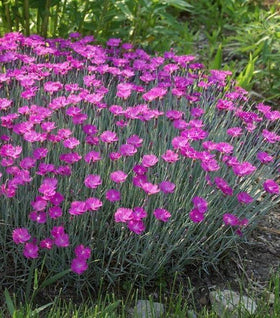
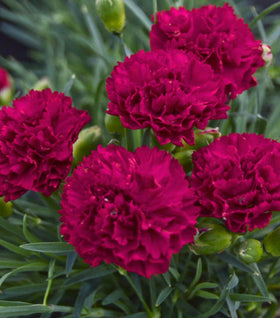
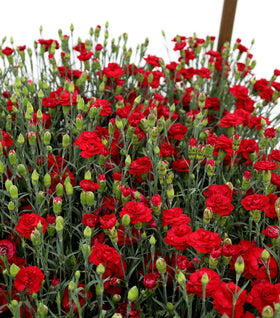
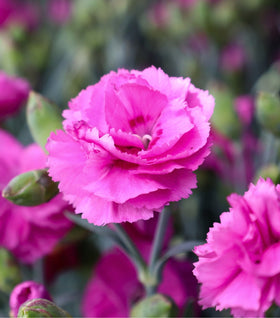
Dianthus—often called “pinks”—is one of those plants that quietly makes everything around it look more intentional. The flowers have that classic fringed-petal look and a clove-like fragrance, and the foliage stays neat and grassy-blue green, so even when blooms pause, the plant still reads clean in the landscape. Many perennial dianthus bloom from spring into early summer, and with deadheading, a number of types will rebloom intermittently later in summer (and sometimes beyond), which is exactly what you want for a long season of curb appeal without a complicated routine.
Here’s the best part: dianthus rewards “simple and sunny.” Give it at least six hours of sun, keep the crown from sitting wet, and space plants so air can move through—those three steps do more for success than any fancy inputs. Deadhead to keep blooms coming, then lightly trim after flowering (or in spring) to refresh the mound and encourage tidy regrowth. We back your planting success with the We Grow Together Promise.

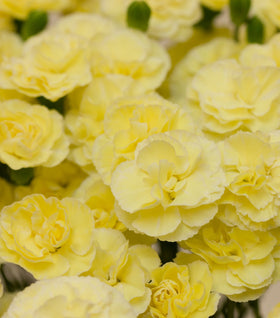
Odessa Yellow Bling Bling Dianthus
$26.95
Add fragrance and crisp edging that looks professional.
Dianthus is a top pick when you want a border to look “edited” and polished, with low mounds, fine-textured foliage, and blooms that sit right at eye level near paths, patios, and entry beds. That tidy habit makes it ideal for foundation lines and the front of mixed borders, where you need plants that hold their shape instead of flopping into walkways.
It’s also a natural fit for rock gardens and gravel-style plantings, because most perennial dianthus prefer well-drained soils and perform best when roots aren’t kept constantly wet. If you’ve got a sunny spot that drains quickly, or a bed where you’re intentionally keeping irrigation light, dianthus tends to thrive with that “don’t overdo it” approach.
Containers love dianthus, too, especially when you want fragrance right where people sit. The key is the same: sun, drainage, and avoiding soggy potting mix. In pots, you get a concentrated punch of bloom and scent that can make small outdoor spaces feel finished and inviting.
Expect classic blooms, blue-green foliage, and repeat color.
Bloom timing depends on the type, but a common pattern is spring through early summer, with many selections capable of additional flowering when spent blooms are removed. Regular deadheading helps redirect energy into new buds, extending the display and keeping the plant looking fresh instead of “done for the year.”
Mature size varies across the category, from compact edging mounds to taller forms—but most landscape uses center on plants that stay relatively low and wide, building a tidy cushion of foliage with flowers held above on wiry stems. That scale is why dianthus is so easy to tuck into designs: it adds color and fragrance without blocking sightlines to bigger perennials and shrubs behind it.
Growth rate is typically moderate, with the best performance coming from the right site rather than heavy feeding. In poorly drained soils, plants are more prone to decline (including dieback from the center), so “fast fill” should be planned through smart spacing and repeating groups rather than crowding plants too tightly.
Plant in full sun and let drainage do the hard work.
For strong flowering, plan on full sun; at least six hours is a reliable benchmark, and use partial shade only as a heat-relief tool in the warmest climates. Too much shade often reduces blooms and can increase moisture-related issues around the crown, so bright exposure is the simplest path to dense foliage and better color.
Soil drainage is the make-or-break detail. Dianthus is widely recommended for well-drained soils (often neutral to slightly alkaline and somewhat gritty), and wet winter soils are often cited as a reason plants struggle or fail. If your site is heavy clay, consider amending broadly, planting on a slight mound, or using containers/raised beds where drainage is easier to control.
Spacing should support airflow and keep the crown healthy. A practical range for many plantings is about 12–18 inches apart, with crowns planted level with the soil surface (not buried), and avoiding heavy mulching right up against the stems. This spacing-and-air approach helps reduce crown rot risk and keeps plants looking cleaner longer.
Keep blooms coming with deadheading and a light trim.
Deadheading is the easiest way to stretch the season: remove faded flowers before seed set and you’ll often get more blooms and a neater mound. For larger plantings, shearing can be a time-saver after a flush of bloom; think of it as a “haircut” to reset the plant and encourage fresh growth and repeat flowering.
Pruning timing stays simple: deadhead during bloom, then lightly trim after flowering (or in spring) to keep plants compact and remove tired growth. Avoid constant overhead watering and overwatering in general; too much moisture is linked to yellowing foliage and root/crown problems, while a steadier, not-soggy routine supports healthier plants.
Know the common watch-outs so you can prevent them with culture: slugs/snails in shadier spots, and diseases like rust, powdery mildew, and crown rot, often tied to poor drainage, crowding, or humid, low-airflow conditions. Start with sun, spacing, and drainage, and you’ll sidestep most issues before they begin.