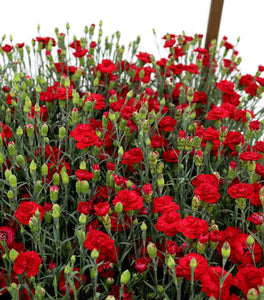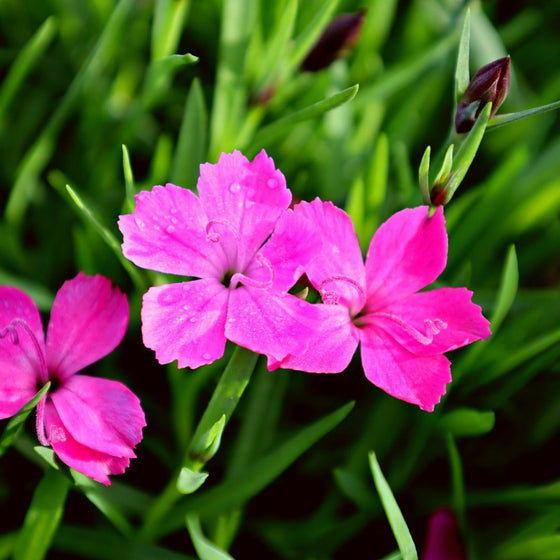
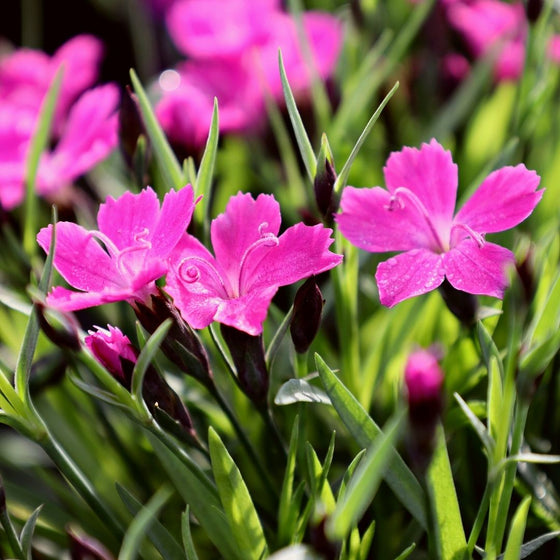


Images Depict Mature Plants
Kahori Dianthus
Dianthus 'Kahori'
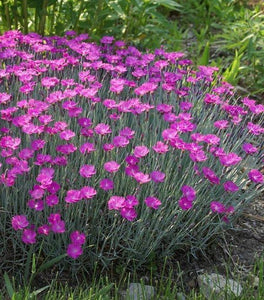
Kahori Dianthus is a great example of a small perennial doing a big job in the landscape. The bright pink flowers, evergreen blue-green foliage, and compact habit make it incredibly useful along edges, in rock gardens, and anywhere a bed needs a clean finished look. Add in the fragrance and deer resistance, and this is an easy plant to recommend for homeowners who want reliable color without extra fuss.

15% OFF SITEWIDE, USE CODE 'FALLPLANT15'
📦 Free shipping on orders over $99.
Delay shipping by leaving us a message at Checkout.
Share:Recommended Add-Ons


Fragrant Color for Crisp Garden Borders
A Compact Dianthus with Big Garden Appeal
Kahori Dianthus is the kind of perennial that makes a planting bed look finished. Its compact, mounding habit stays neat and intentional, while bright pink blooms rise just above blue-green evergreen foliage to create a clean, colorful effect that fits beautifully into borders, edging, rock gardens, and small-space plantings.
For homeowners who want long-lasting color without a sprawling or unruly plant, Kahori is an easy favorite. It offers a polished look that works in both formal and relaxed landscapes, adding texture and bloom power without overwhelming nearby plants.
Bright Pink Flowers with a Sweet Fragrance
One of the standout features of Kahori Dianthus is its fragrant bloom display. The flowers are vivid pink with a cheerful presence that reads clearly from a distance, but the light clove-like fragrance is what makes the plant especially enjoyable up close near walkways, patios, and entry beds.
That combination of color and scent gives Kahori more personality than many low-growing perennials. It adds charm to everyday planting areas and helps turn small garden spaces into something more memorable during the blooming season.
Evergreen Foliage That Keeps Beds Looking Tidy
Even when Kahori is not in flower, its narrow blue-green foliage continues to earn its place in the landscape. The evergreen habit helps maintain structure and definition through much of the year, which is especially valuable in edging, front-of-border placements, and areas where a clean garden outline matters.
That year-round foliage makes Kahori more useful than many short-lived bloomers, which disappear visually after flowering. It contributes both softness and order, helping the surrounding planting design feel fuller and more complete.
Perfect for Edging, Rock Gardens, and Sunny Containers
Kahori Dianthus is especially effective where a low, mounded plant is needed to soften stone, line a walkway, or brighten the front of a sunny planting bed. It performs beautifully in rock gardens, cottage-style borders, and even containers where its neat habit and saturated flower color can be appreciated at close range.
Its versatility is a major selling point. This is a perennial that can be tucked into many different design styles without looking out of place, making it an easy add-on plant for gardeners building layered combinations or refreshing high-visibility areas.
Deer Resistant, Easy to Grow, and Low Maintenance
Kahori Dianthus is also valued for being deer-resistant, which makes it especially useful in landscapes where browsing is a concern. It prefers full sun and well-drained soil, and once established, it is relatively easy to care for, needing only light grooming to stay fresh and reblooming.
For gardeners who want a colorful, fragrant perennial that stays compact and dependable, Kahori offers a strong mix of beauty and practicality. It is the sort of plant that works hard in the landscape while still feeling bright, refined, and rewarding.
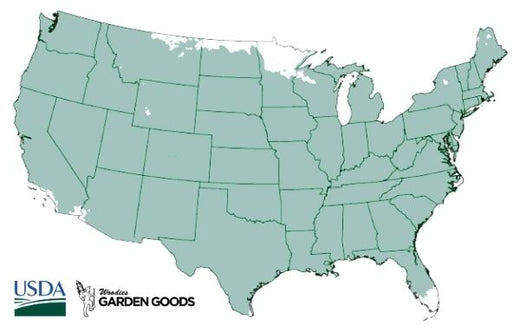
| Hardiness Zone: | 4-9 |
|---|---|
| Mature Height: | 8 to 10 inches |
| Mature Width: | 10 to 14 inches |
| Sunlight: | Full Sun |
| Water Requirements: | Moderate; water regularly during establishment |
| Soil | Well-drained soil; prefers average to sandy or gravelly soil |
| Bloom Time / Color | Late spring into summer; fragrant bright pink flowers |
| Ornamental Features | Fragrant blooms, compact mounding habit, blue-green evergreen foliage |
| Wildlife Value | Attracts butterflies and other pollinators |
| Resistance (deer/disease/drought/etc.) | Deer resistant; drought tolerant once established |
| Landscape Uses | Edging, borders, rock gardens, cottage gardens, containers, front-of-bed plantings |
How to Care for Kahori Dianthus
Be sure to read our planting instructions to ensure a healthy and happy Kahori Dianthus plant for years to come!
-v1775508603993.png?92x91)
How should I plant Kahori Dianthus?
Plant Kahori Dianthus in a full sun location with well-drained soil. This perennial performs best where it receives strong light and does not sit in heavy, wet ground. Dig a hole slightly wider than the root ball and plant it so the crown sits level with the surrounding soil, then backfill and water thoroughly. Space plants to allow airflow and room for the mounded habit to develop. A light layer of mulch can help reduce weeds, but keep mulch away from the crown so excess moisture does not collect around the base of the plant. Kahori is especially effective along bed edges, in rock gardens, and in sunny container combinations.
-v1775508627807.png?89x84)
How often should I water Kahori Dianthus after planting?
Water Kahori Dianthus deeply right after planting, then continue watering regularly during the establishment period. In most landscapes, this means checking the soil a couple of times each week and watering when the top layer begins to dry. The goal is to keep the soil lightly and evenly moist while roots settle in. Once established, Kahori becomes more drought tolerant and usually needs less frequent watering. It is better to avoid constantly wet soil, especially in dense or poorly drained sites, because dianthus prefers drier conditions over time and performs best when not overwatered.
-v1775508649699.png?90x89)
When should I fertilize Kahori Dianthus?
Fertilize Kahori Dianthus lightly in early spring as new growth begins. A balanced slow-release fertilizer or a light topdressing of compost is usually enough to support healthy foliage and strong blooming without pushing the plant into excessive soft growth. Avoid overfeeding, especially with high-nitrogen products. Too much fertilizer can reduce flower performance and encourage weak growth. In many sunny landscape beds, Kahori needs only modest feeding to stay attractive and productive.

When and how should I prune Kahori Dianthus?
Kahori Dianthus benefits from light grooming rather than heavy pruning. Remove spent flower stems after the first bloom cycle to keep the plant tidy and encourage repeat blooming. This simple deadheading can help extend the display and keep the mound looking fresh. In early spring or after winter damage becomes visible, trim away any browned or tired foliage to make room for new growth. Avoid cutting deeply into the crown. The goal is to refresh the plant and preserve its naturally neat, compact shape rather than force a hard reset.