
Butterfly Weed for Monarch Butterflies & Native Pollinator Gardens
Monarch-friendly summer bloomers that thrive in sun and lean soils
Butterfly weed (asclepias) is one of the most meaningful plants you can add to a landscape: it’s a milkweed, and milkweeds are the host plants monarch caterpillars depend on, while the flowers feed a wide range of pollinators. Expect a vibrant summer bloom window (often late spring through late summer, depending on species and region), with clusters of nectar-rich flowers that turn a regular border into a living, moving habitat. If you’re building a pollinator garden that looks beautiful and does something real, butterfly weed belongs on the short list.
The “secret” is planting it like the tough native it is: give it full sun and well-drained soil, then avoid overwatering and constant fussing. Many Asclepias types develop deep roots (including a taproot for butterfly weed), so they’re drought-tolerant once established but can be slow to settle and often dislike being moved. The We Grow Together Promise is all about helping you get the placement, spacing, and simple seasonal care right—so you get stronger plants, better bloom, and a more dependable monarch patch.

Swamp Milkweed (Asclepias incarnata)
As Low As $19.95
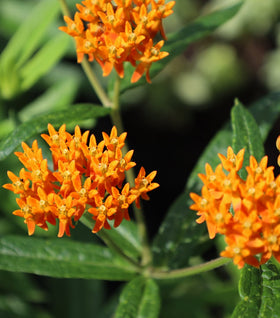


Create a monarch patch that blooms all summer.
Butterfly weed is a high-impact way to turn planting space into habitat: it’s part of the milkweed group (Asclepias), which is closely tied to monarch reproduction, while the blooms support bees, butterflies, and other pollinators. That means you’re not just planting for color, you’re planting for life in the garden, with flowers that actively draw beneficial visitors.
This collection works beautifully in modern “edible ecology” landscapes: sunny borders, cottage gardens, meadow-style beds, and pollinator strips along fences or driveways. Because milkweeds are sun perennials with straightforward needs, they fit both homeowner gardens and professional installations where you want reliable performance with minimal inputs once plants are rooted in.
Butterfly weed also makes planning easier because it behaves like a true perennial: it returns from the crown each year, builds a stronger presence over time, and can self-seed if pods mature and split. If you’d like a naturalized look, that self-seeding can be a feature; if you prefer tidy lines, deadheading and seed-pod removal keep the planting more controlled.
Choose the color, height, and bloom window you want.
Bloom timing varies by species and climate, but many gardeners see butterfly weed and related milkweeds flowering through the warm season, often for weeks at a time. One helpful expectation-setting detail: plants may focus on roots early on, and some sources note that flowering can take time as plants establish, especially when started from seed.
Mature size depends on the type, but butterfly weed (Asclepias tuberosa) is commonly described in that “easy-to-place” range, roughly a couple of feet tall and about a foot or two wide, so it can sit mid-border without swallowing neighbors. Other milkweeds can run taller, and some prefer consistently moist sites (like swamp milkweed), which makes the category flexible across different landscape conditions.
Growth rate is best described as steady rather than explosive: these plants often invest in root development, and established clumps can be long-lived. Because butterfly weed is known for a deep root/taproot, it’s usually happiest when planted where it can stay—choose the spot thoughtfully so you’re not forced to transplant later.
Plant in full sun for maximum pollinator power.
Full sun is the simplest recipe for stronger stems, better bloom, and higher pollinator activity, especially for butterfly weed, which is widely recommended for sunny sites. If you’re trying to build a “destination” for monarchs and butterflies, give these plants the brightest location you can.
Soil drainage matters just as much as sun. Butterfly weed is noted for thriving in average, dry-to-medium, well-drained soils and tolerating poorer, drier conditions once established, so it’s excellent for lean beds, sunny slopes, and areas where overwatered perennials tend to flop. If your soil stays wet, choose moisture-tolerant milkweed types for those zones instead of forcing butterfly weed to struggle.
Spacing is about airflow and future clump size. A practical planning range for many milkweeds is roughly 18–24 inches apart (wider for larger species), which gives plants room to fill in without creating a humid, crowded pocket that encourages pests and disease. Grouping plants in small drifts also makes the habitat “easier to find” for pollinators than single scattered plants.
Keep care simple with smart pruning and caution.
Water consistently while plants establish, then back off, especially for butterfly weed, which is commonly described as drought-tolerant once rooted in. Overwatering and rich, constantly moist soils are the most common reasons these plants look unhappy, so aim for deep, occasional watering in dry spells rather than frequent sprinkling.
For pruning and cleanup, think seasonal and practical: cut back dead stems after frost or in late winter/early spring before new growth, and deadhead if you want fewer volunteers. If you want seed pods for interest or habitat value, let some mature; if you want a cleaner look and less self-seeding, remove pods before they split.
Expect insects; that’s part of the ecosystem you’re building. Aphids and milkweed bugs are common sights on milkweeds, and they often attract beneficial predators and parasitoids that help balance populations; many gardens tolerate them without intervention unless plants are truly stressed. A quick check-and-decide approach works well: healthy plants can usually handle some insect activity.