
Summer-Blooming Trees for Colorful Flowers & Seasonal Beauty
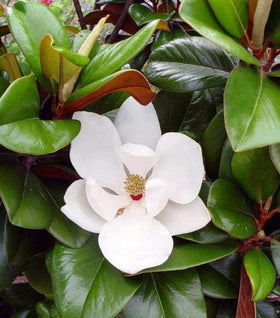
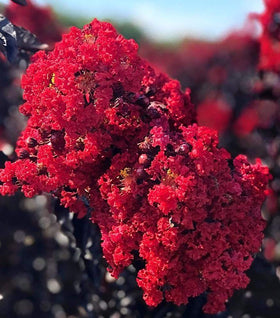
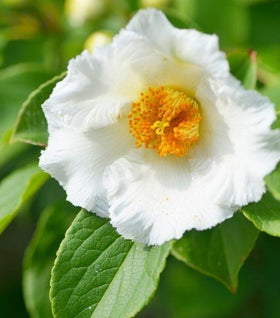
When the heat cranks up, summer blooming trees steal the show. Our lineup is built around proven performers: Crape Myrtle cultivars like ‘Natchez’ (pure white), ‘Dynamite’ and ‘Red Rocket’ (electric reds), ‘Tuscarora’ (coral), and ‘Pink Velour’—all selected for long, repeat flowering, clean foliage, and mildew resistance. Pair that nonstop color with the fragrant, creamy blooms and year-round structure of Southern Magnolias—think ‘Little Gem’, ‘Teddy Bear’, and ‘Claudia Wannamaker’—and you’ve got a landscape that looks intentional from the curb and effortless up close. For a refined twist, Japanese Stewartia adds camellia-like flowers in early summer, fiery fall color, and painterly, exfoliating bark.
Every tree here is nursery-grown, zone-ready, and curated for sun, heat, and humidity—so the summer show you imagine is the one you’ll actually get. We give you honest sizing, bloom windows, spacing, and care tips, then ship fast and back it all with our "We Grow Together" Promise. Ready to add months of color with minimal fuss? Buy summer blooming trees online from Garden Goods Direct and enjoy a season that just keeps blooming.
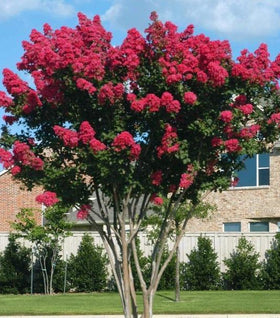
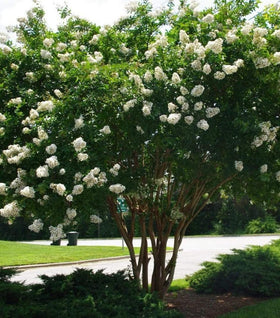
Natchez Crape Myrtle
As Low As $69.95
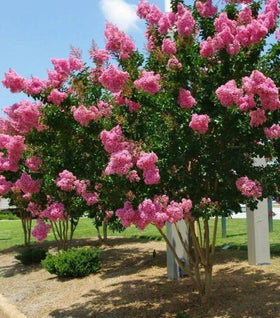
Pink Velour Crape Myrtle
As Low As $38.95
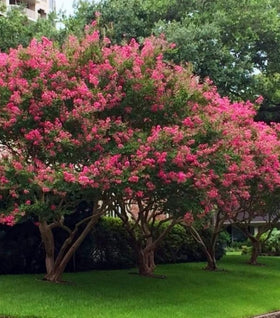

Catawba Crape Myrtle
As Low As $26.95

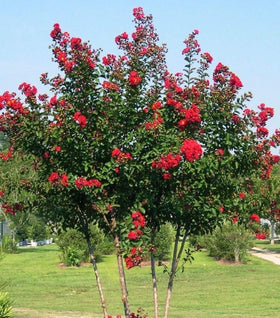


Muskogee Crape Myrtle
As Low As $36.95
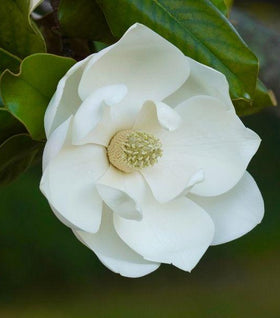
Claudia Wannamaker Magnolia
As Low As $99.95
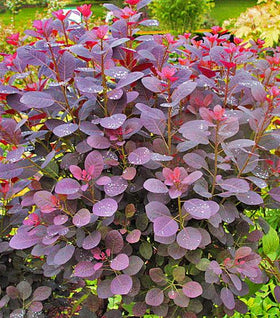

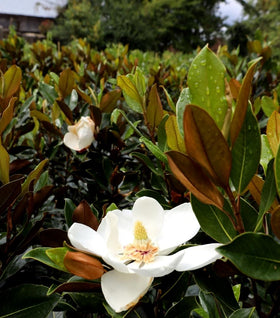

First Editions® Twilight Magic™ Crape Myrtle
$99.95
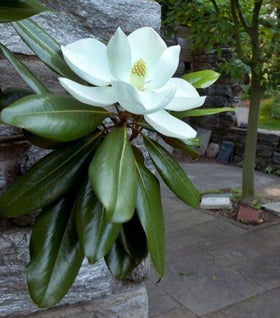
Edith Bogue Magnolia
As Low As $99.95
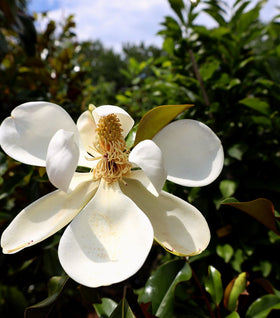
Bracken’s Brown Beauty Magnolia
As Low As $99.95

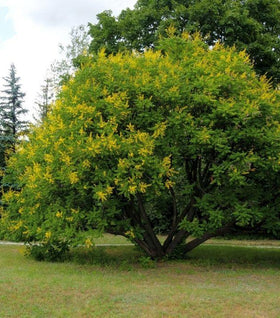
Keep the color show going after spring. Our Summer Blooming Trees lineup centers on Crape Myrtle (Lagerstroemia) for its long, repeat flowering, while Magnolias offer fragrant, pollinator-friendly flowers. Rounding out the set, the Golden Rain Tree lights up mid–to–late summer with sunny panicles, and the Southern Magnolia provides huge, lemony-white blooms throughout warm weather.
Choose compact forms, such as Little Gem Magnolia for small urban lots and containers, or full-sized trees to anchor front yards and patio edges. Many Crape Myrtle cultivars feature exfoliating bark, colorful new growth, and fall interest, giving you multi-season value beyond the summer flowers.
Growth Habits & Seasonal Interest of Summer Flowering Trees
Expect continuous or repeat waves of bloom from mid-summer into fall (variety dependent). Crape myrtles provide color blocks from white to coral, pink, red, and purple, often with handsome bark and rich fall foliage. Stewartia forms a rounded vase topped with white Camellia-like flowers, adored by butterflies and bees.
Architecturally, these trees shine beside walkways, along driveways, and as patio companions—providing dappled shade without a heavy canopy. Many selections are heat- and drought-tolerant once established, keeping foliage clean and flowers coming during hot spells.
Landscape Uses & Functional Benefits of Summer Blooming Trees
Use summer bloomers to bridge the color gap between spring perennials and fall foliage. Line a drive with uniform crape myrtles for a long seasonal corridor, mass Magnolias in sunny borders for a pollinator waystation, or feature Stewartia as a light, see-through screen that still allows air to move across the patio. The golden rain tree offers seasonal shade, plus seed lanterns for textural interest; the Seven-Son Flower adds fall-wildlife value after the flowers fade.
Pair summer bloomers with evergreen backdrops (arborvitae, cryptomeria) and sun-loving perennials (catmint, salvia, coreopsis) to create layered, low-maintenance beds that look intentional from curb to close-up.
Maintenance & Durability Advantages
Success is simple: give these trees full sun (6–8+ hours) and well-drained soil. Plant with the root flare at or slightly above grade, backfill with native soil, water deeply, and mulch 2–3 inches (off the trunk). During the first growing season, maintain consistent moisture; once established, most picks show excellent heat and drought resilience.
Prune crape myrtles after the main bloom to encourage a second flush (skip the “crape murder”—only remove crossing wood and spent panicles). For Stewartia and magnolias, light structural pruning in late winter helps keep the frames graceful and blooming. Feed in early spring with slow-release fertilizer or compost if growth lags; otherwise, these are low-input performers built for summer.