
Coreopsis Plants for Long-Lasting Color & Pollinator Gardens
Sun-soaked, long-blooming color that keeps pollinators coming back
Coreopsis—often called tickseed—is the definition of a “plant it and smile” perennial: cheerful daisy-like blooms, a long flowering season, and a naturally bright look that makes borders feel fresh from early summer onward. Many coreopsis thrive in full sun and well-drained soil, and once established, they’re widely described as drought-tolerant—perfect for hot edges, mailbox beds, and big sunny sweeps where you want color without constant attention.
This collection is all about dependable performance: generous bloom, simple care, and that easy, meadow-friendly texture that mixes beautifully with grasses and other sun perennials. The best results come from a light, practical routine—deadhead to keep flowers coming, and consider a midseason shear to encourage a fresh flush later on. Some types are also known to be shorter-lived, which is why occasional division (spring or fall) is a smart “keep it strong” habit. With the We Grow Together Promise, you’re backed by clear planting and care guidance so your color lasts and your clumps stay vigorous.
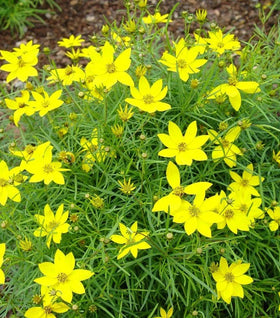
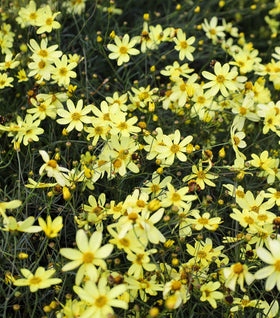
Moonbeam Coreopsis
As Low As $29.95


Fill sunny beds with long-blooming, low-fuss color.
Coreopsis is a go-to for homeowners and landscapers because it’s built for repeat bloom in real-life conditions, full sun, summer heat, and the kind of busy weeks when watering isn’t perfect. Many guides describe tickseed as low-maintenance and pollinator-friendly, making it a strong “foundation bloomer” for sunny borders and curb-appeal beds.
It shines in mass plantings. Instead of one plant acting as a lone “dot,” coreopsis is at its best in drifts that create a bright ribbon of color through the garden, especially when paired with contrasting textures like ornamental grasses or upright salvias. That repeating pattern is what makes a planting look designed, not accidental.
Coreopsis is also a smart pick for budget-friendly renovation projects. Because wide varieties bloom for a long season and handle leaner soils, you can refresh an entire bed with fewer plant types—then let repetition do the heavy lifting for a cohesive look.
Pick the bloom look, mature size, and season-long impact.
Coreopsis covers a range of sizes and habits, from compact mounds to taller clumps—use that flexibility to place it exactly where you need it (front edging, mid-border fill, or sunny “connector” plantings between shrubs). A simple way to plan is by mature width and airflow, not by pot size, so clumps can fill in without getting crowded.
Bloom season is one of its biggest strengths. Coreopsis is widely praised for long-lasting summer color, and many gardeners extend the show further by consistent deadheading. If you love a bed that stays bright through the hottest stretch of the year, tickseed is one of the easiest ways to keep that momentum going.
In this collection, the featured types bloom from mid-June through August—an ideal window for peak summer color when many landscapes need reliable, repeatable bloom.
Plant in full sun and space for healthier foliage.
Coreopsis generally performs best in full sun with well-draining soil, and many sources note it doesn’t need heavy feeding to do well, especially once it’s established. Leaner, sunnier conditions often produce sturdier growth and better flowering than rich, overly watered beds.
Spacing depends on the variety, but a practical range for many garden plantings is 10–18 inches apart, with wider spacing for larger, mature clumps. This spacing helps plants knit into a full look while keeping air moving through the foliage, which is useful for reducing powdery mildew pressure during humid spells.
Coreopsis also adapts well to containers when drainage is strong—handy for patios, sunny entries, and “portable color” near outdoor living spaces. Just remember that pots dry faster than in-ground beds, so watering checks need to be a bit more regular in peak heat.
Keep blooms coming with deadheading and an easy cutback.
Deadheading is the simplest way to keep coreopsis flowering: remove spent blooms regularly to encourage new buds and extend the season. If the planting looks tired mid-to-late summer, many guides recommend shearing plants back (often up to about half) to trigger fresh growth and another wave of flowers.
Division is your long-term performance tool. Some coreopsis, especially certain types, are noted as shorter-lived perennials, and dividing every couple of years (early spring or fall) can help maintain vigor and keep flowering strong.
Pests and diseases are usually minor, but powdery mildew can appear, particularly when plants are crowded or foliage stays damp. The best prevention is cultural: full sun, base watering instead of overhead, and enough spacing for airflow.