


Images Depict Mature Plants
Cranberry Cocktail Dianthus
Dianthus 'Cranberry Cocktail'
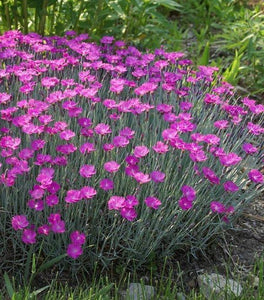
Dianthus Cranberry Cocktail is one of those perennials that gives you a lot for a small footprint. I like it because the flowers are richly colored and fragrant, the foliage stays neat and evergreen, and the whole plant fits beautifully at the front of a sunny bed or tucked into a patio pot. When homeowners want something compact, cheerful, and dependable with that classic dianthus look, this one is easy to recommend.

Save Up to 25% On Your Order! Limited Time Only!
Discount Applied Automatically At Checkout
📦 Free shipping on orders over $99.
Delay shipping by leaving us a message at Checkout.
Share:

Fragrant Evergreen Color for Sunny Borders and Containers
Bold cranberry-red blooms that stand out in spring and beyond
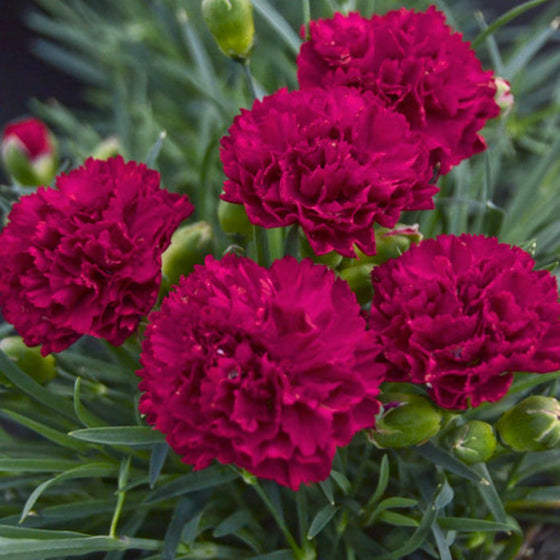
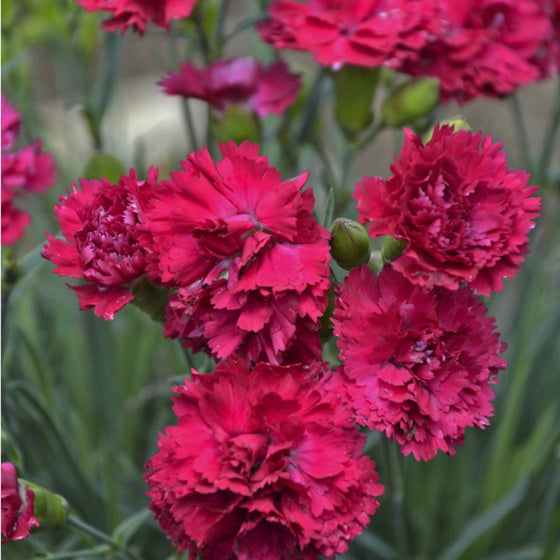
Also known as Fruit Punch® ‘Cranberry Cocktail’ Dianthus, this compact perennial offers fragrant, double magenta-red blooms over a tidy mound of blue-green evergreen foliage. The blooms are strongly colored, nicely fringed, and fragrant, which gives this perennial more than just visual value. It is the kind of plant that immediately brightens the front of a bed, draws attention along a walkway, and adds a more polished, high-color finish to spring and early summer planting combinations.
It is also valued for its potential to rebloom. After the main flush in late spring to early summer, gardeners can often encourage additional flowering later in the season with light deadheading and good growing conditions. That longer performance window makes Cranberry Cocktail especially useful for homeowners who want a perennial that keeps working after the first wave of color has passed.
Compact evergreen habit that keeps the bed looking finished
Cranberry Cocktail forms a dense, tidy mound of blue-green to gray-green evergreen foliage, providing texture and structure even when not in bloom. That low, cushion-like habit makes it especially useful at the front of borders, in edging, and in rock garden-style plantings where a neat shape matters just as much as flower power. Instead of disappearing after bloom, it continues to help the planting look intentional and well-defined.
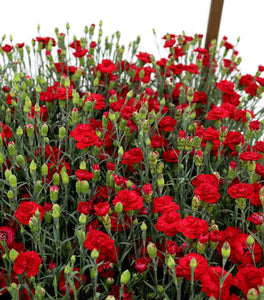
Its size is another major advantage. Mature plants are commonly listed around 8 to 10 inches tall and roughly 12 to 14 inches wide, making them easy to work into smaller beds, sunny foundation edges, and mixed containers. For gardeners who want a flowering perennial that stays compact and orderly without constant cutting back, this dianthus offers a very user-friendly footprint.
Excellent for borders, edging, rock gardens, and patio pots
Dianthus Cranberry Cocktail is especially effective in spaces where homeowners want strong color without a sprawling habit. It shines in sunny border fronts, edging strips, gravel gardens, and rock gardens, where the compact evergreen mound and bright flowers can be appreciated up close. It also works beautifully in containers, either as a feature on its own or mixed with other sun-loving plants where fragrance and flower color add extra appeal near porches, patios, and entryways.
Because it stays low and tidy, it combines easily with sedum, lavender, salvia, creeping thyme, and other full-sun companions. It can be used as a repeating accent through a perennial bed or massed for a stronger ribbon of color. That flexibility makes it more than just a novelty bloom plant. It is a practical, perennial design that can anchor the front of a planting while still bringing real floral impact.
Sun-loving and low maintenance when drainage is right
This dianthus performs best in full sun and well-drained soil. Like many pinks, it prefers conditions that are not overly wet, especially in cooler or winter months, and is valued for its ability to handle drought, heat, and even some salt exposure once established. Those traits make it a strong fit for homeowners who want color and fragrance without choosing a perennial that needs constant pampering.
It is also commonly noted as deer-resistant and attractive to pollinators such as bees and butterflies. With light grooming after bloom and sensible siting, it tends to stay neat and productive. For gardeners seeking a compact perennial with fragrance, evergreen foliage, strong flower color, and dependable garden performance, Cranberry Cocktail is a compelling choice.
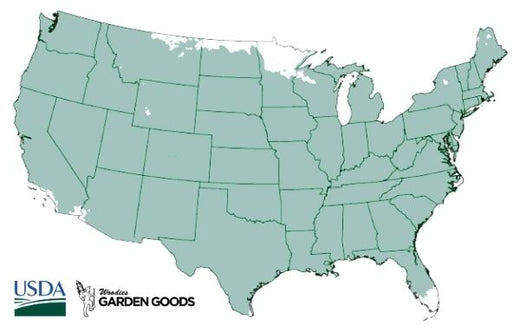
| Hardiness Zone: | 4-9 |
|---|---|
| Mature Height: | 8 to 10 Inches |
| Mature Width: | 12 to 14 inches |
| Sunlight: | Full Sun (best flowering) |
| Water Requirements: | Regular water during establishment; low to moderate water once established |
| Soil | Well-drained, lean to average soil; neutral to slightly alkaline preferred |
| Bloom Time / Color | Late spring to early summer with possible fall rebloom / cranberry-red to magenta-red |
| Wildlife Value: | Attracts Honey Bees & Butterflies |
| Resistance (deer/disease/drought/etc.) | Deer resistant, drought tolerant, heat tolerant, salt tolerant |
| Landscape Uses: | Borders, edging, rock gardens, containers, small gardens, mass planting |
How to Care for Cranberry Cocktail Dianthus
Please read our planting and Care Instructions for the best results with your Dianthus ‘Cranberry Cocktail’ Plants
-v1768240661035.png?92x91)
How should I plant Dianthus Cranberry Cocktail?
Plant Dianthus Cranberry Cocktail in full sun in sharply well-drained soil, setting the crown level with the surrounding grade. Dig a hole wide enough for the root ball, loosen the surrounding soil, and backfill so the plant can settle in without sitting too deeply or staying wet around the crown. Water thoroughly after planting, then keep mulch light and pulled back from the crown so the foliage base stays dry and healthy. This dianthus performs best where air circulation is good and the soil drains quickly, especially in winter and during humid weather.
-v1768240699935.png?89x84)
How often should I water Dianthus Cranberry Cocktail after planting?
Water Dianthus Cranberry Cocktail regularly during the first growing season so the roots can establish well. In most gardens, that means watering deeply when the top layer of soil begins to dry, aiming to keep the soil evenly moist but never soggy. After establishment, this dianthus becomes more drought-tolerant and usually needs only occasional deep watering during prolonged dry spells. It is much better to water thoroughly and let the soil dry slightly between waterings than to keep the plant constantly wet.
-v1768240744642.png?90x89)
When should I fertilize Dianthus Cranberry Cocktail?
Fertilize Dianthus Cranberry Cocktail lightly in early spring as new growth begins if needed. A balanced slow-release fertilizer or a light topdressing of compost is usually enough to support healthy foliage and strong flowering without pushing excessive soft growth. Overfeeding is usually unnecessary, especially in average soil. This perennial tends to perform best when fertility is moderate and drainage is excellent, so a restrained feeding approach usually delivers the best combination of bloom, fragrance, and compact habit.

When and how should I prune Dianthus Cranberry Cocktail?
Prune or shear Dianthus Cranberry Cocktail lightly after the main bloom flush to remove spent flowers and freshen the foliage mound. Deadheading can encourage a tidier appearance and may help stimulate additional bloom later in the season. In early spring, you can also trim away any winter-damaged foliage so new growth comes through cleanly. The goal is not hard pruning, but simple grooming that keeps the plant dense, neat, and ready for repeat performance.