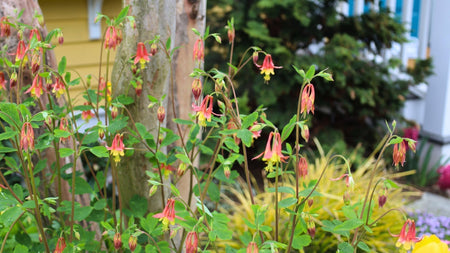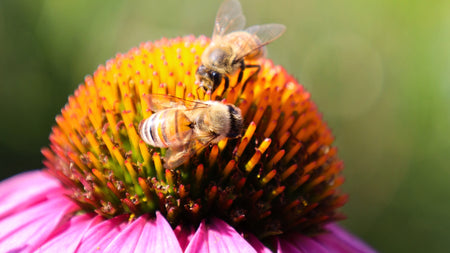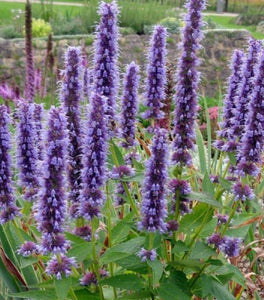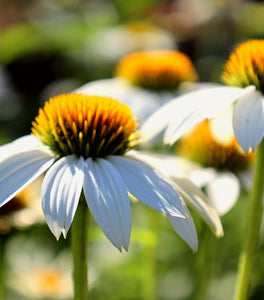


Images Depict Mature Plants
Blue False Indigo
Baptisia Australis
Blue False Indigo is one of those perennials that rewards patience. It may take a little time to settle in, but once established, it becomes a tough, beautiful, shrub-like anchor with blue spring flowers, handsome foliage, and very little fuss. The deer resistance, drought tolerance, and pollinator value make it an easy choice for sunny native gardens, cottage borders, and low-maintenance perennial beds.

15% OFF SITEWIDE, USE CODE 'FALLPLANT15'
📦 Free shipping on orders over $99.
Delay shipping by leaving us a message at Checkout.
Share:Recommended Add-Ons


A Long-Lived Native Perennial with Blue Spring Flowers and Shrub-Like Structure
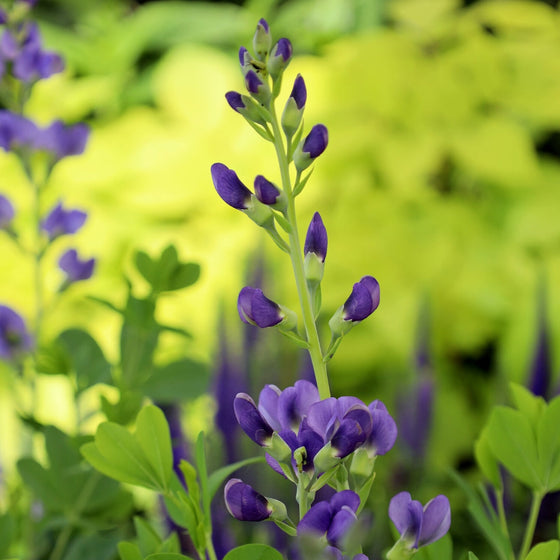
Blue-Purple Flower Spikes on a Durable Native Perennial
Blue False Indigo is a long-lived native perennial grown for its upright blue-purple flower spikes, attractive blue-green foliage, and tough, low-maintenance performance in sunny garden beds. In late spring to early summer, lupine-like blooms rise above the foliage, creating a bold vertical accent that feels both natural and refined.
Baptisia australis is especially valuable because it behaves almost like a small shrub during the growing season. Once established, its sturdy stems and rounded habit give perennial borders, cottage gardens, pollinator beds, and native plantings lasting structure long after the flowers fade. It is a smart choice for gardeners who want a beautiful plant that gets better with age.
Spring Flowers, Blue-Green Foliage, and Decorative Seed Pods
The spring flower spikes are the main show, opening in rich blue to violet-blue tones that stand out beautifully against the plant’s clover-like foliage. The leaves have a soft blue-green cast that keeps the plant attractive through summer, even after bloom has finished.
After flowering, Blue False Indigo develops dark seed pods that can add ornamental texture and interest later in the season. These pods are often valued in naturalistic plantings and dried arrangements. The combination of spring flowers, summer foliage, and late-season pods makes this perennial useful for more than one moment in the garden.
A Strong Anchor for Native Gardens, Borders, and Pollinator Plantings
Blue False Indigo works best as a middle-to-back border plant, a native garden anchor, a cottage garden perennial, or a prairie-style planting companion. Its mature size and rounded habit give it enough presence to fill space without needing constant pruning or staking in the right location.
Plant it with coneflowers, Black Eyed Susans, yarrow, salvia, catmint, coreopsis, ornamental grasses, asters, and other sun-loving perennials for a layered, pollinator-friendly design. Because Baptisia develops a deep root system and dislikes being moved once established, choose its planting location carefully and give it room to mature.
Deer Resistant, Drought Tolerant, and Pollinator Friendly Once Established
Blue False Indigo is a strong choice for low-maintenance sunny landscapes. Once established, it is drought-tolerant and performs well in average to dry, well-drained soils. It also tolerates poor soil and heat, making it useful in tough perennial beds where less resilient plants may struggle.
This plant is generally considered deer-resistant, and its flowers attract bees, butterflies, and other beneficial pollinators. Its native background and durable habit make it a valuable addition to wildlife-friendly gardens, while its refined foliage and flower color keep it attractive enough for more formal mixed borders.
Easy Care with Full Sun, Drainage, and Patience
Plant Blue False Indigo in full sun for the strongest stems, best flowering, and most compact shape. It can tolerate light shade, but too much shade may reduce bloom and cause the plant to open up or need support. Well-drained soil is important, and the plant often performs well without rich amendments once established.
Water regularly during the first growing season to help the roots establish. After that, reduce watering and allow the plant to handle normal dry periods. Avoid frequent transplanting or dividing, since mature Baptisia plants develop deep roots and prefer to stay in place. Cut stems back in late fall after frost or in early spring before new growth emerges.
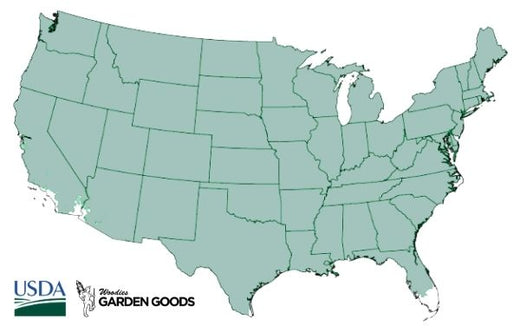
| Hardiness Zone: | 3-9 |
|---|---|
| Mature Height: | 3 to 4 feet |
| Mature Width: | 3 to 4 feet |
| Sunlight: | Full sun to part shade; best flowering and strongest habit in full sun |
| Soil | Average, dry to medium, well-drained soil; tolerates poor soil once established |
| Water | Water regularly after planting; drought tolerant once established |
| Bloom Time / Color | Late spring to early summer; blue to violet-blue flower spikes |
| Ornamental Features | Blue flower spikes, blue-green foliage, shrub-like habit, black seed pods, native garden structure |
| Wildlife Value | Attracts bees, butterflies, and beneficial pollinators |
| Resistance | Generally deer resistant; drought tolerant once established; tolerant of heat and poor soils |
| Landscape Uses | Native gardens, pollinator gardens, cottage gardens, perennial borders, prairie-style plantings, back borders, cut and dried flower gardens |
How to Care for Blue False Indigo
Be sure to read our planting instructions to ensure a healthy and happy Blue False Indigo plant for years to come!
-v1781186661696.png?92x91)
How should I plant Blue False Indigo?
Plant Blue False Indigo in full sun to part shade with well-drained soil. Full sun is best for strong stems, heavier bloom, and a fuller shape. Choose the planting site carefully because Baptisia develops a deep root system and does not like to be moved once established. Dig a hole about twice as wide as the root ball and just as deep. Set the crown level with the surrounding soil, backfill gently, and water thoroughly. Space plants about 3–4 feet apart so the mature clumps have room to develop their natural rounded form.
-v1781186688148.png?89x84)
How often should I water Blue False Indigo after planting?
Water Blue False Indigo deeply after planting, then keep the soil evenly moist while roots establish. During the first growing season, water when the top few inches of soil feel dry, especially during hot or windy weather. Once established, Blue False Indigo is drought tolerant and usually needs little supplemental water in the ground. Avoid constantly wet soil, especially in winter. Good drainage supports healthier roots and stronger long-term performance.
-v1781186703649.png?90x89)
When should I fertilize Blue False Indigo?
Blue False Indigo usually needs little fertilizer. In average garden soil, it often performs well without heavy feeding, especially once its deep root system is established. If soil is very poor, apply a light layer of compost in spring. Avoid high-nitrogen fertilizer, which can encourage soft growth at the expense of the sturdy, natural habit that makes Baptisia so useful in the landscape.

When and how should I prune Blue False Indigo?
Prune Blue False Indigo in late fall after frost or in early spring before new growth emerges. Cut old stems back close to the ground to clear the way for fresh spring growth. You can leave the dark seed pods standing into fall for ornamental interest, or remove spent flower stems earlier if you prefer a tidier look. Mature plants usually do not need regular division and are best left undisturbed once established.