

Planting Native Perennials for Pollinators, Children, and the Future
 By Richard "Woodie" Buller, GGD co-founder with 35+ years in horticulture
Published On: May 4, 2026
Share:
Mother's Day weekend is one of the most meaningful times to plant a garden, because gardening has always been about more than flowers. It is about teaching, nurturing, noticing, and working together. When a mother and child plant something side by side, they are not just filling a bed — they are creating a living classroom and a memory that returns every year.
One of my earliest memories is exactly that. My mother would order plants from a mail-order catalog back in the 70s, and when they arrived, she would let me help plant them in our rural Pennsylvania yard. I didn't know it at the time, but those small moments — digging holes, setting plants in place, watering them in — stuck with me. I've always attributed my love of plants to those days. It wasn't just about the plants. It was about being included, being trusted, and being part of something growing.
That's what makes a pollinator garden such a powerful gift.
Native perennials make that experience even more meaningful. Plants like asclepias, echinacea, agastache, achillea, rudbeckia, asters, and monarda support pollinators, beneficial insects, birds, and the larger food web right outside the door. Biodiversity starts locally, and gardeners can make an immediate difference by planting flowers that provide nectar, pollen, seed, and habitat across the seasons.
A pollinator garden doesn't have to be complicated. Start with sun, well-drained soil, and a simple goal: something blooming from spring through fall. Plant in groups so pollinators can easily find the flowers. Repeat colors and textures so the garden feels designed, not scattered. Leave some seedheads standing in fall and winter so birds can feed and children can see that a garden keeps giving after bloom season ends.
Woodie's Picks: 4 Native Perennials for a Pollinator Garden
Agastache 'Blue Fortune'
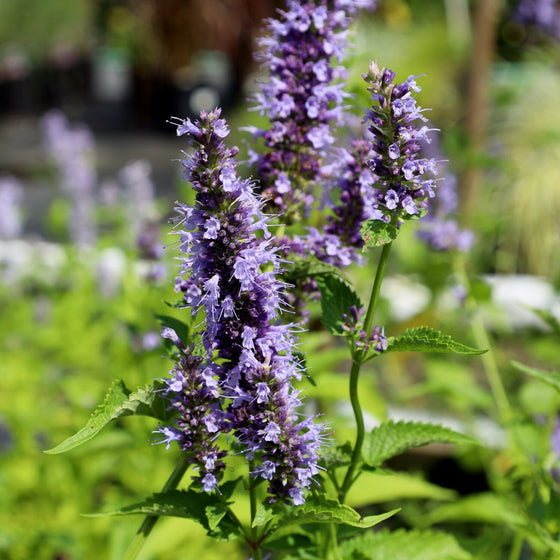
Agastache 'Blue Fortune' is one of my favorite plants for bringing movement and pollinator activity into a sunny border. Its lavender-blue flower spikes rise above fragrant foliage, attracting bees, butterflies, and hummingbirds throughout the warm months. It has a clean, upright habit that works beautifully in pollinator gardens, cottage borders, and mixed perennial beds. Plant it where children can safely watch pollinators up close, and it becomes a gentle lesson in how flowers feed the world.
Echinacea 'Cheyenne Spirit'
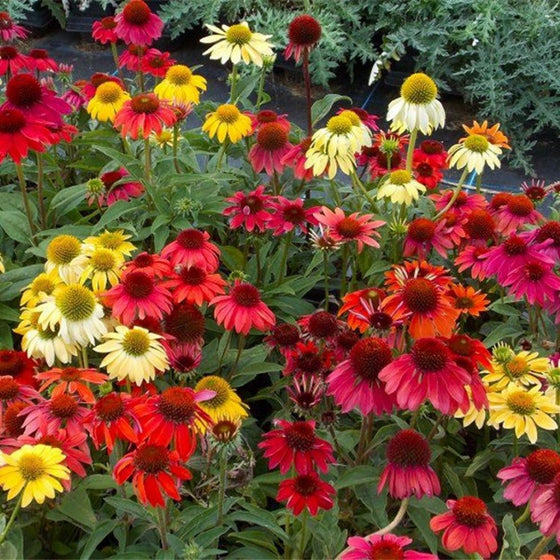
Echinacea 'Cheyenne Spirit' is a wonderful choice for families because it feels joyful and full of discovery. Its blooms appear in a range of warm, sunset-inspired colors, giving children the excitement of seeing what each flower becomes. It performs beautifully in sunny borders and pollinator gardens, and its seedheads can be left standing into fall and winter to feed birds. It's the kind of plant that keeps teaching long after the blooms have passed.
Aster 'Raydon's Favorite'
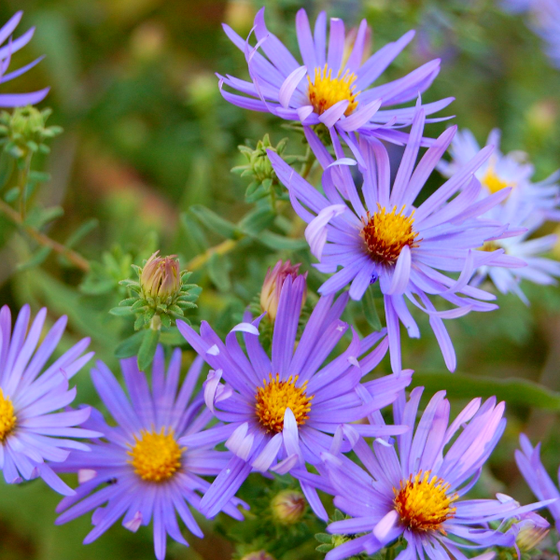
Aster 'Raydon's Favorite' is the plant I'd choose to teach patience. While many flowers peak in summer, this native aster waits until late summer into fall to put on its show, covering itself in violet-blue blooms that are highly attractive to butterflies and other pollinators. It's dependable, easy to grow, and incredibly valuable because it feeds pollinators late in the season when they need it most.
Wild Bergamot
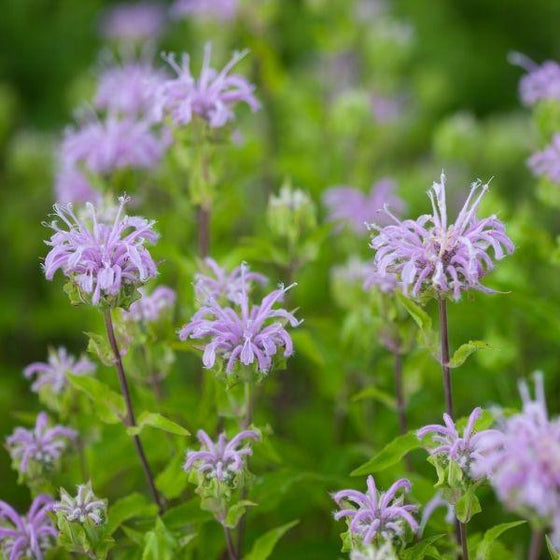
Wild Bergamot (Monarda fistulosa) brings a natural, meadow-like feel into the home landscape. Its soft, tufted blooms attract bees, butterflies, and hummingbirds, while its fragrant foliage adds a sensory experience children won't forget. It fits perfectly into sunny pollinator beds and mixed native plantings, especially when paired with coneflowers, rudbeckia, and ornamental grasses.
Designing a Pollinator Garden Together
The best way to include children is to give them a role. Let them help choose plants, dig holes, place tags, and water. Let them check for butterflies and bees. Let them notice when something blooms, fades, and comes back again.
A simple planting layout works well:
- Place taller plants like Aster 'Raydon's Favorite' and Wild Bergamot toward the back.
- Use Agastache 'Blue Fortune' as a structured middle layer.
- Repeat Echinacea 'Cheyenne Spirit' through the front and middle for color and continuity.
Add rudbeckia, achillea, and asclepias to extend bloom time and create a fuller, more supportive habitat.
What matters most isn't perfection — it's participation.
Woodie's Take
A Mother's Day pollinator garden is more than something you plant. It's something you pass down.
My love of plants didn't come from a book or a class. It came from being in the yard with my mother, planting what arrived in those mail-order boxes. Those moments stayed with me, and they shaped how I see every garden I work in today.
Plant native perennials because they support pollinators. Plant them because they're beautiful. But most of all, plant them together.
Because years from now, the flowers may change… but the memory of planting them side by side won't.