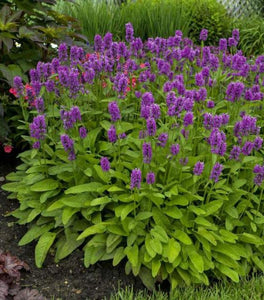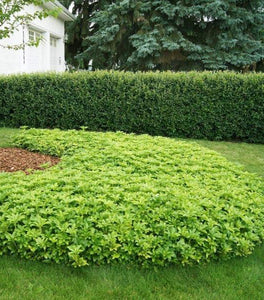


Images Depict Mature Plants
Helen von Stein Lamb’s Ear
Stachys byzantina 'Big Ears'
Helen von Stein Lamb’s Ear is the Lamb’s Ear I’d use when the foliage is the main reason for planting it. The leaves are bigger, softer, and more substantial than regular Lamb’s Ear, and the plant usually stays focused on that silver groundcover look instead of throwing lots of flower stalks. Give it full sun, sharp drainage, and room to spread, and it becomes a dependable deer-resistant edging plant for dry sunny beds, rock gardens, and sensory gardens.

15% OFF SITEWIDE, USE CODE 'FALLPLANT15'
📦 Free shipping on orders over $99.
Delay shipping by leaving us a message at Checkout.
Share:Recommended Add-Ons


A Large-Leaf Lamb’s Ear with Soft Silver Texture and Easy-Care Groundcover Appeal
Oversized Fuzzy Silver Leaves for Sunny Garden Texture
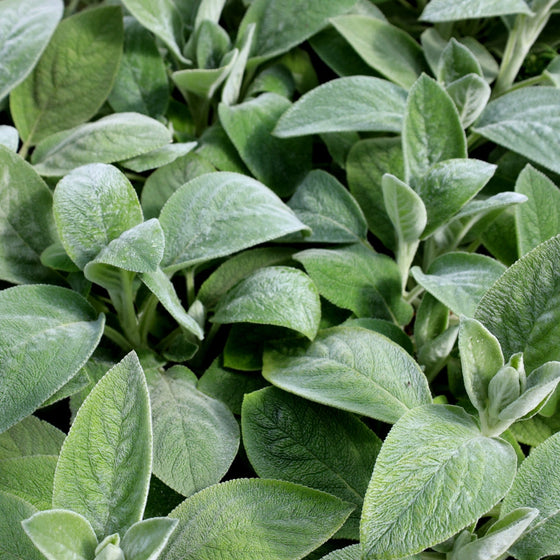
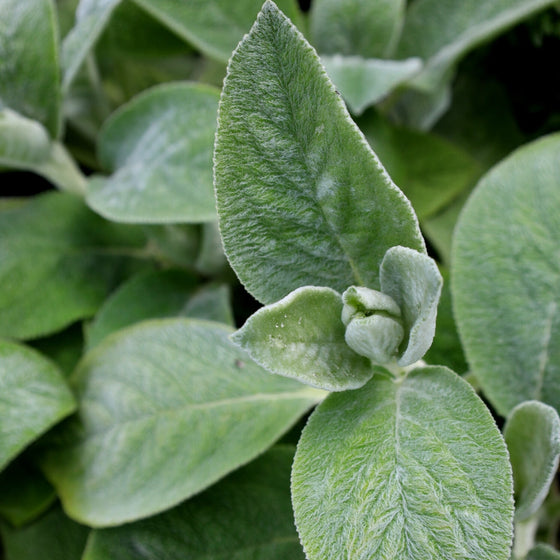
Helen von Stein Lamb’s Ear is a large-leafed Lamb’s Ear selection grown for its soft, fuzzy silver foliage and low spreading habit. Also known as Big Ears Stachys, this perennial creates a velvety mat of oversized leaves that instantly softens sunny borders, walkway edges, rock gardens, and mixed perennial beds.
Unlike standard Lamb’s Ear, Helen von Stein is valued primarily for its foliage rather than flower spikes. The large leaves are noticeably broader and more substantial, giving the plant a fuller, more dramatic texture in the landscape. It is a smart choice for gardeners who want the classic touchable Lamb’s Ear look in a bolder, cleaner, foliage-first form.
A Foliage-First Perennial That Rarely Flowers
Helen von Stein Lamb’s Ear is often described as a rarely flowering or nearly non-flowering cultivar. That makes it especially useful where gardeners want the silver foliage effect without frequent deadheading or unwanted seedlings from flower stalks.
The broad silver leaves provide color and texture through much of the growing season. Their soft, woolly surface reflects light beautifully, helping brighten hot sunny beds and dry garden edges. This foliage also pairs well with purple, blue, pink, white, yellow, and burgundy flowers, making the plant easy to use in many garden styles.
Perfect for Edging, Rock Gardens, Sensory Gardens, and Dry Borders
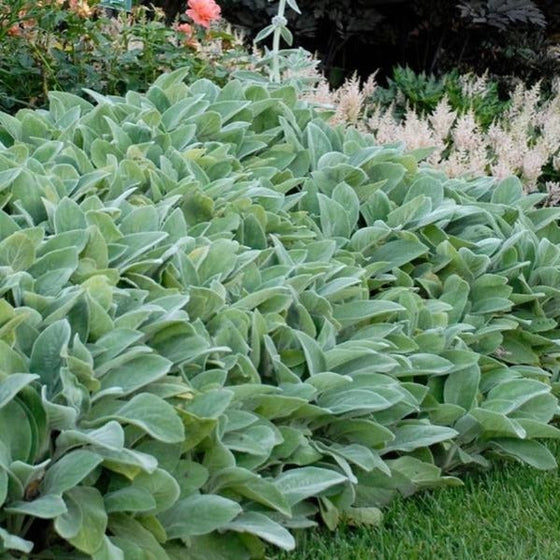
Helen von Stein Lamb’s Ear works beautifully as an edging perennial, low groundcover, sensory garden plant, rock garden accent, or front-of-border foliage plant. Its soft leaves make it especially appealing along paths and patios where the texture can be seen and touched up close.
Use it to soften stone, brick, gravel, retaining walls, and sunny foundation beds. It pairs well with salvia, catmint, lavender, yarrow, sedum, coneflower, Black Eyed Susan, Russian sage, ornamental grasses, and other sun-loving perennials. In mass plantings, the silver foliage creates a cool, calming contrast against brighter summer flowers.
Deer Resistant, Rabbit Resistant, and Drought Tolerant Once Established
Helen von Stein Lamb’s Ear is generally considered deer-resistant and rabbit-resistant, making it a useful option in landscapes where browsing pressure can limit plant choices. The fuzzy, woolly foliage is usually less appealing to deer and rabbits than softer leafy perennials.
Once established, this plant is also drought tolerant and performs well in lean, dry, well-drained soil. It is best suited for sunny sites with good air circulation and good drainage. Avoid wet, humid, or poorly drained locations where woolly foliage can decline, rot, or develop leaf problems.
Easy Care with Full Sun, Drainage, and Light Cleanup
Plant Helen von Stein Lamb’s Ear in full sun to light shade with well-drained soil. Full sun usually produces the best silver color, densest growth, and strongest drought tolerance. In hot climates, light afternoon shade can help reduce stress as long as the soil still drains well.
Water regularly after planting until roots establish, then water sparingly. Avoid overhead watering when possible, because wet foliage can encourage disease in humid weather. Remove damaged or tired leaves as needed, trim the edges if the plant spreads beyond its space, and divide mature clumps when they become crowded or open in the center.
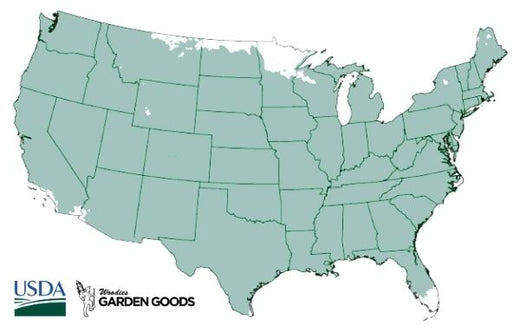
| Hardiness Zone: | 4-9 |
|---|---|
| Mature Height: | 8 to 12 Inches |
| Mature Width: | 16 to 24 Inches |
| Sunlight: | Full sun to light shade; best foliage color in full sun |
| Soil | Average to poor, sandy, gravelly, or well-drained soil; avoid wet heavy soil |
| Water Requirements: | Water regularly after planting; drought tolerant once established |
| Bloom Time / Color | Rarely flowers; grown primarily for foliage; occasional lavender-purple flower spikes may appear |
| Foliage | Semi-evergreen in mild climates; Large, fuzzy, silver-gray to silvery green leaves with a soft woolly texture |
| Ornamental Features | Oversized silver foliage, soft texture, low spreading habit, foliage-first performance |
| Wildlife Value | Flowers, when present, may attract bees and other pollinators |
| Resistance | Generally deer resistant and rabbit resistant; drought tolerant once established; dislikes wet or humid conditions |
| Landscape Uses | Edging, groundcover, rock gardens, sensory gardens, sunny borders, dry slopes, containers, cottage gardens, low-water beds |
How to Care for Helen von Stein Lamb’s Ear
aBe sure to read our planting instructions to ensure a healthy and happy Helen von Stein Lamb’s Ear for years to come!

How should I plant Helen von Stein Lamb’s Ear?
Plant Helen von Stein Lamb’s Ear in full sun to light shade with well-drained soil. Choose a location where the soil does not stay wet after rain or irrigation. Sandy, gravelly, average, or lean soil is often better than rich, heavy soil for long-term performance. Dig a hole about as wide as the root ball and just as deep. Set the crown level with the surrounding soil, backfill gently, and water thoroughly. Space plants about 15–18 inches apart for a fuller groundcover or edging effect.

How often should I water Helen von Stein Lamb’s Ear after planting?
Water Helen von Stein Lamb’s Ear deeply after planting, then keep the soil lightly moist while roots establish. During the first growing season, water when the top few inches of soil feel dry, especially during hot or windy weather. Once established, this plant is drought-tolerant and prefers drier conditions over soggy soil. Avoid frequent overhead watering, especially in humid climates. Good drainage and dry foliage help keep the plant healthier.

When should I fertilize Helen von Stein Lamb’s Ear?
Helen von Stein Lamb’s Ear usually needs little to no fertilizer. It performs well in average to lean soil, and too much fertility can encourage soft growth that is more prone to decline. If growth is weak, apply a light layer of compost in spring. Avoid heavy feeding or rich amendments. Sun, drainage, and airflow are much more important than fertilizer for this silver-leaved perennial.

When and how should I prune Helen von Stein Lamb’s Ear?
Prune Helen von Stein Lamb’s Ear by removing damaged, browned, or tired leaves as needed during the growing season. This keeps the clump looking fresh and helps improve airflow around the foliage. Because this cultivar rarely flowers, deadheading is usually minimal. If flower stalks appear and you prefer a clean foliage look, cut them off at the base. Divide or edge the plant when it spreads beyond its intended space or becomes crowded.