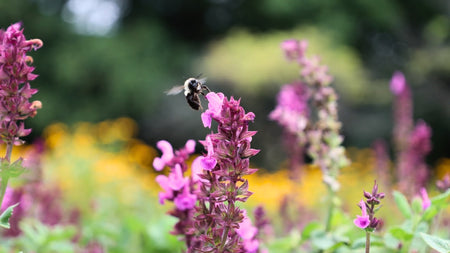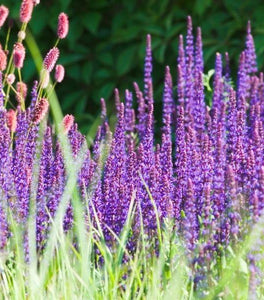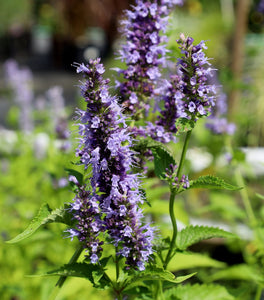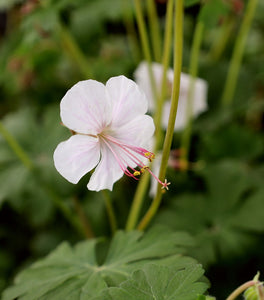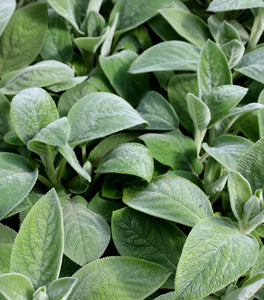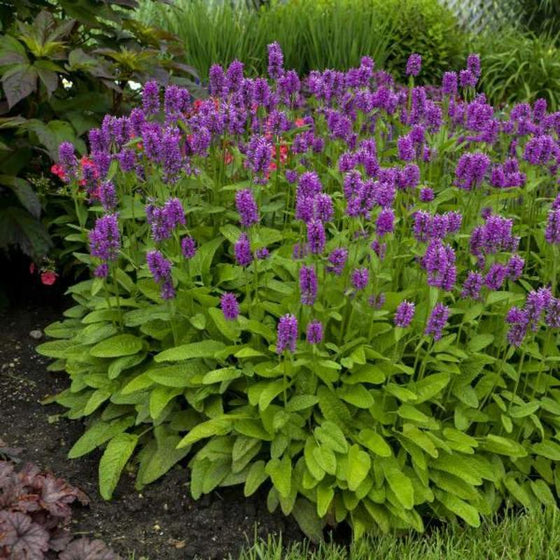
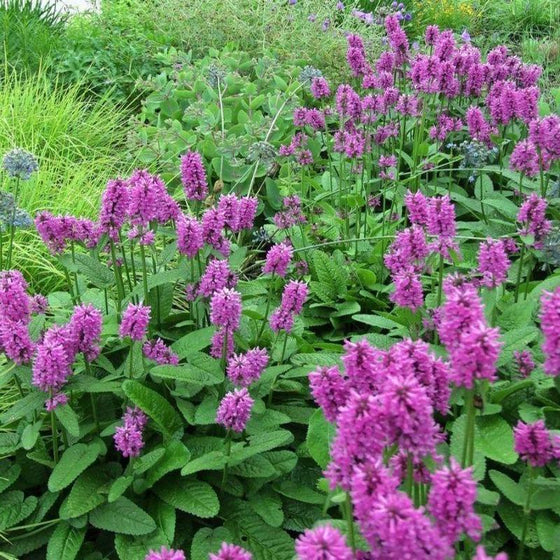
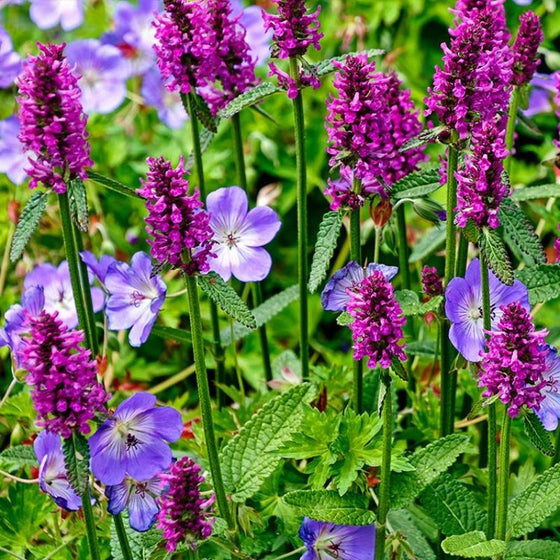
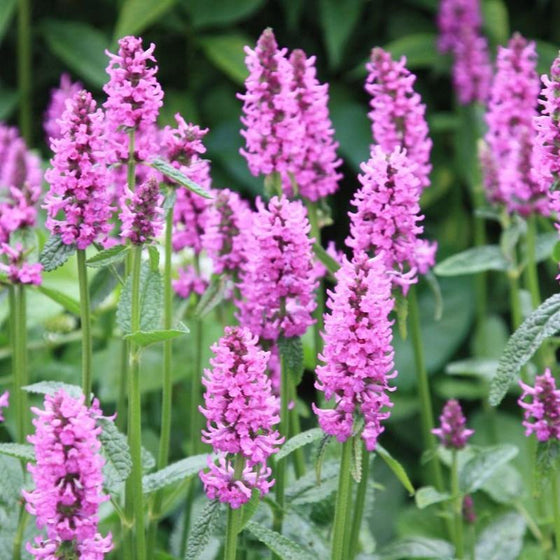


Images Depict Mature Plants
Hummelo Betony
Stachys officinalis ‘Hummelo’
Hummelo Betony is the Stachys to choose when you want flowers, not fuzzy silver foliage. It gives you neat green clumps, upright rose-purple spikes, and a steady stream of pollinator activity without needing much fuss. I like it repeated through sunny borders because the flower spikes create rhythm, and the foliage still looks useful after the bloom show finishes.

15% OFF SITEWIDE SALE
Use Code 'PRIMETIME15' At Checkout
📦 Free shipping on orders over $99.
Delay shipping by leaving us a message at Checkout.
Share:Recommended Add-Ons


A Flowering Betony with Rose-Lavender Spikes and Pollinator Power
Rose-Lavender Flower Spikes Above Tidy Green Foliage
Hummelo Betony is a flowering Stachys cultivar grown for its upright rose-lavender flower spikes, dense green foliage, and long-lasting summer garden color. Unlike Lamb’s Ear, which is grown mostly for fuzzy silver leaves, Hummelo forms tidy clumps of textured green foliage topped with showy vertical blooms.
This makes Hummelo an excellent choice for gardeners who like the durability of Stachys but want flowers and pollinator activity rather than a silver-foliage groundcover. The upright bloom spikes add structure without overwhelming nearby plants, making this perennial especially useful in sunny borders, cottage gardens, pollinator beds, and front-to-middle border plantings.
Summer Blooms That Bring Bees and Butterflies
In summer, Hummelo Betony produces dense spikes of small two-lipped flowers in shades of rose, lavender, pink, and purple. The blooms rise above the foliage on mostly leafless stems, creating a clean vertical effect that looks beautiful repeated through a perennial border.
The flowers are highly attractive to bees, butterflies, and other beneficial pollinators. Their upright shape also makes them excellent for pairing with rounded flowers and softer textures. Use Hummelo with coneflowers, Black Eyed Susan, catmint, salvia, yarrow, coreopsis, bee balm, ornamental grasses, and asters for a layered planting with strong summer-to-fall interest.
Perfect for Sunny Borders, Cottage Gardens, and Pollinator Plantings
Hummelo Betony is easy to place because it offers both neat foliage and noticeable flower color. Use it near the front or middle of sunny perennial borders, along garden paths, in cottage-style beds, in pollinator gardens, or in naturalistic plantings, where repeated flower spikes can create a rhythmic effect.
The foliage forms a dense basal clump that helps fill space even when the plant is not in bloom. This gives Hummelo more season-long garden value than perennials that disappear visually after flowering. Plant in groups for a stronger effect, or weave it among other sun-loving perennials for a softer meadow-style look.
Deer Resistant, Rabbit Resistant, and Drought Tolerant Once Established
Hummelo Betony is generally considered deer-resistant and rabbit-resistant, making it a practical choice for gardens where browsing pressure is a concern. Deer resistance can vary by location and season, but Hummelo is usually a lower-risk perennial compared with many tender leafy plants.
Once established, Hummelo can tolerate some dry conditions, especially in well-drained soil. It performs best in full sun to light shade with average moisture and good drainage. Avoid soggy soil, especially during winter, because good drainage helps keep the clump healthy and long-lived.
Easy Care with Sun, Drainage, and Spent Flower Cleanup
Plant Hummelo Betony in full sun to light shade with well-drained soil. Full sun encourages the strongest flowering and most upright habit, while light shade can be acceptable in warmer climates. Average garden soil is usually fine as long as water does not sit around the crown.
Water regularly after planting until roots establish, then water during extended dry periods as needed. Remove spent flower spikes after the first bloom to encourage a cleaner look and possible rebloom. Cut old foliage back in late winter or early spring before new growth begins.
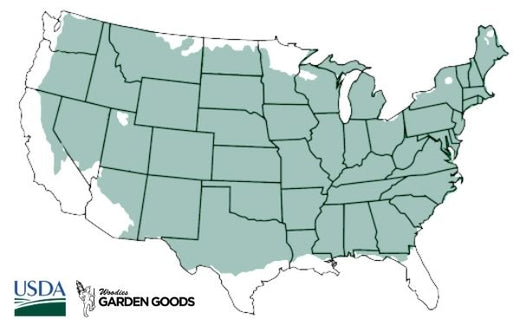
| Hardiness Zone: | 4-8 |
|---|---|
| Mature Height: | 18 to 24 Inches |
| Mature Width: | 18 to 24 Inches |
| Sunlight: | Full sun to light shade; best flowering in full sun |
| Soil | Average, well-drained soil; tolerates dry soil once established |
| Water Requirements: | Water regularly after planting; moderately drought tolerant once established |
| Bloom Time / Color | Summer to early fall; rose-lavender to purple-pink flower spikes |
| Ornamental Features | Upright rose-lavender flower spikes, tidy green clumps, long bloom interest, pollinator appeal |
| Wildlife Value | Attracts bees, butterflies, and beneficial pollinators |
| Resistance | Generally deer resistant and rabbit resistant; drought tolerant once established; dislikes wet soil |
| Landscape Uses | Pollinator gardens, cottage gardens, sunny borders, front-to-middle borders, path edges, mass plantings, naturalistic plantings, cut flower gardens |
How to Care for Hummelo Betony
Before you buy a Hummelo Betony make sure to read about the recommended care instructions to keep this plant healthy and thriving.
-v1781529079229.png?92x91)
How should I plant Hummelo Betony?
Plant Hummelo Betony in full sun to light shade with well-drained soil. Choose a location where the plant receives enough light to produce strong flower spikes and where water drains freely after rain. It works well near the front or middle of a border, along paths, or in pollinator plantings. Dig a hole about as wide as the root ball and just as deep. Set the crown level with the surrounding soil, backfill gently, and water thoroughly. Space plants about 18–24 inches apart so each clump has room to fill out with good airflow.
-v1781529101680.png?89x84)
How often should I water Hummelo Betony after planting?
Water Hummelo Betony deeply after planting, then keep the soil lightly moist while roots establish. During the first growing season, water when the top few inches of soil feel dry, especially during hot or windy weather. Once established, Hummelo Betony can tolerate some dry conditions in well-drained soil. Water during extended drought, but avoid constantly wet soil or poor drainage, especially in winter.
-v1781529120349.png?90x89)
When should I fertilize Hummelo Betony?
Hummelo Betony usually needs little fertilizer in average garden soil. A light spring application of compost or a mild slow-release fertilizer is enough to support healthy foliage and flowering. Avoid heavy feeding, especially with high-nitrogen fertilizer. Too much fertility can encourage soft growth instead of sturdy flower stems and a tidy clumping habit.

When and how should I prune Hummelo Betony?
Prune Hummelo Betony after flowering by cutting spent flower spikes back to the foliage. This keeps the plant tidy and may encourage a lighter second flush of bloom. In late winter or early spring, remove old foliage before new growth begins. If the clump becomes crowded over time, divide it in spring or fall to refresh growth and maintain vigor.