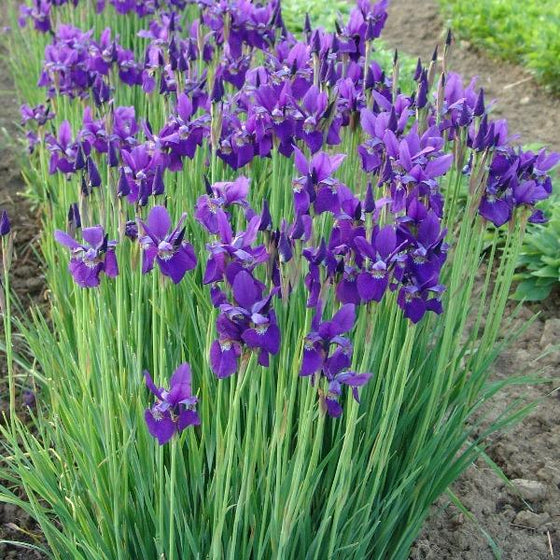
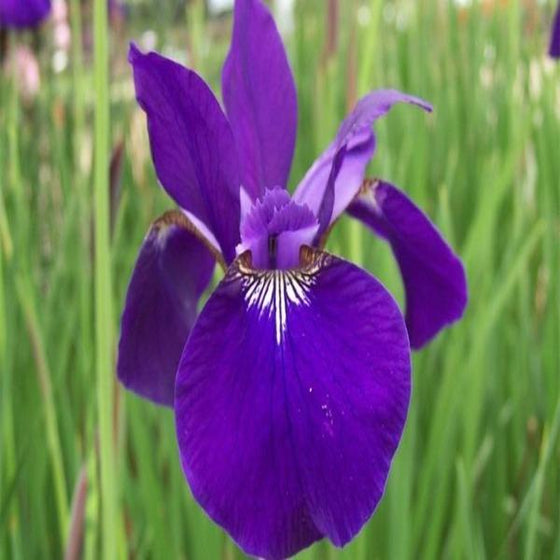
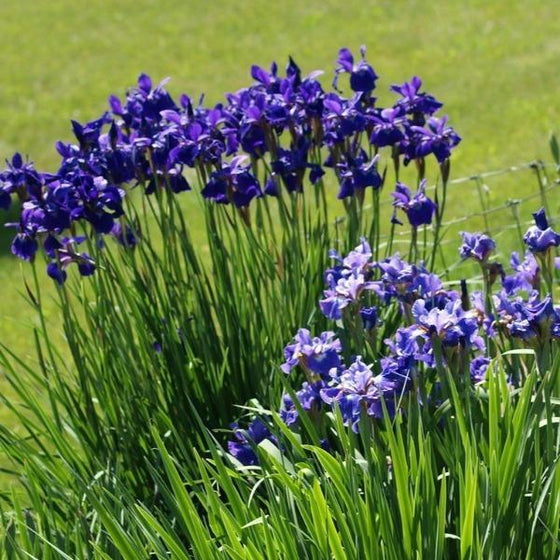


Images Depict Mature Plants
Caesar’s Brother Iris
Iris sibirica 'Caesar's Brother'
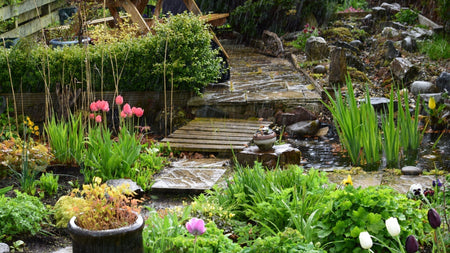
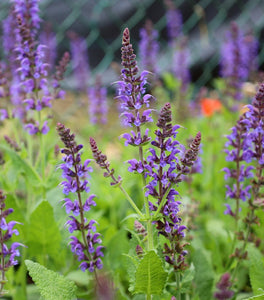
Caesar’s Brother Iris is a classic for a reason. The deep purple flowers are rich and elegant, but the plant does not feel fussy or overdone. I like it in moist sunny borders, near water features, and in drifts with ornamental grasses, salvia, catmint, yarrow, and other perennials that let the purple blooms shine. Just remember that this is a Siberian iris, not a bearded iris—give it moisture, good soil, and room to form a strong clump.

20% Off Sitewide Sale!
Use Code 'CLOSEOUT20' At Checkout
📦 Free shipping on orders over $99.
Delay shipping by leaving us a message at Checkout.
Share:Recommended Add-Ons



Deep Purple Siberian Iris for Elegant Early-Summer Color
A Classic Purple Siberian Iris.
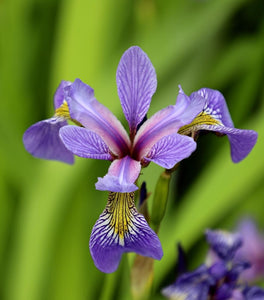
Caesar’s Brother Iris is a beloved Siberian iris grown for its deep violet-purple flowers, graceful beardless form, and refined garden presence. The blooms appear in late spring to early summer, rising above narrow green foliage that gives the plant a clean, upright texture. It is an excellent choice when you want rich iris color without the heavier, more formal look of bearded iris.
Graceful Foliage Beyond the Bloom Season.
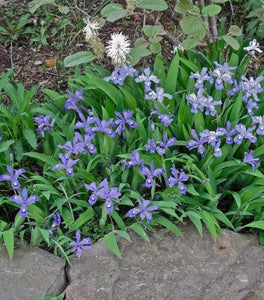
After flowering, Caesar’s Brother continues to earn its place in the garden with attractive, sword-like foliage that resembles an ornamental grass. The narrow leaves create vertical texture in perennial borders, cottage gardens, rain gardens, pond-edge plantings, and meadow-style designs. Use it in groups or drifts for the strongest visual effect, especially where the foliage can contrast with broad-leaved perennials.
Moisture-Loving but Not a Water Iris.
Siberian iris performs best in moist, fertile, well-drained soil. Caesar’s Brother is a great choice for low areas that stay evenly moist, rain gardens with good drainage, and borders near ponds or streams. It can tolerate occasional wetness during the growing season, but it should not be planted in standing water year-round. Think of a moist border plant rather than a true aquatic iris.
Deer Resistant and Pollinator Friendly.
Caesar’s Brother Iris is generally considered deer resistant, making it useful in sunny and partly shaded gardens where browsing pressure is common. The flowers may attract bees, butterflies, and other beneficial pollinators during the bloom season. Its long-lived clumping habit also makes it a dependable perennial for gardeners who want beauty with relatively low maintenance.
Best in Sun, Moist Soil, and Room to Clump.
Plant Caesar’s Brother Iris in full sun to part shade with moisture-retentive, well-drained soil. Full sun encourages the strongest bloom, while afternoon shade can be helpful in hotter climates. Water consistently during establishment and avoid letting young plants dry out. Divide clumps every few years if flowering declines or the center becomes crowded.
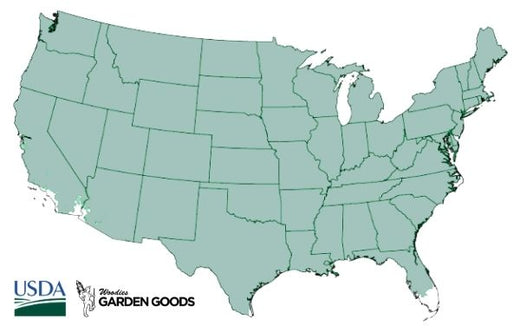
| Hardiness Zone: | 3-9 |
|---|---|
| Mature Height: | 24 to 36 Inches |
| Mature Width: | 18 to 24 Inches |
| Sunlight: | Full sun to part shade |
| Soil | Fertile, moist, well-drained soil; slightly acidic to neutral preferred |
| Water Requirements: | Average to consistent moisture; water well during establishment |
| Bloom Time / Color | Late spring to early summer; deep violet-purple to royal purple flowers |
| Ornamental Features | Deep purple blooms, beardless flower form, grassy foliage, elegant clumping habit |
| Wildlife Value | Flowers may attract bees, butterflies, and other pollinators |
| Resistance | Generally deer resistant; low maintenance when properly sited |
| Landscape Uses | Perennial borders, cottage gardens, rain gardens, moist borders, pond-edge plantings, cut flower gardens, mass plantings, meadow-style plantings, mixed sunny beds |
How to Care for Caesar’s Brother Iris
Before you purchase your Caesar’s Brother Iris, be sure to read the care instructions to keep your plant happy and healthy for years to come!
-v1780583091850.png?92x91)
How should I plant Caesar’s Brother Iris?
Plant Caesar’s Brother Iris in full sun to part shade with fertile, moist, well-drained soil. Choose a site that stays evenly moist during spring and early summer but does not remain flooded all year. Unlike bearded iris, Siberian iris rhizomes should not be left exposed above the soil surface. Dig a hole wide enough to spread the roots and set the plant at the same depth it was growing in the container. Backfill gently, water thoroughly, and mulch lightly to conserve moisture. Keep mulch from piling directly over the crown. Space plants so clumps have room to expand over time.
-v1780583116538.png?89x84)
How often should I water Caesar’s Brother Iris after planting?
Water Caesar’s Brother Iris deeply after planting and keep the soil evenly moist through the first growing season. Consistent moisture is especially important during spring and early summer when the plant is actively growing and forming flower buds. Once established, Caesar’s Brother Iris can handle normal garden conditions, but it performs best with regular moisture. Water during extended dry periods, especially in sunny sites. Avoid both severe drought and soil that stays soggy without drainage.
-v1780583133343.png?90x89)
When should I fertilize Caesar’s Brother Iris?
Fertilize Caesar’s Brother Iris lightly in early spring as new growth begins. Use compost or a balanced slow-release perennial fertilizer to support healthy foliage and strong flowering. Avoid heavy feeding, especially with high-nitrogen fertilizer, which can encourage leafy growth at the expense of flowers. Healthy soil, steady moisture, and full sun are more important than aggressive fertilizing.

When and how should I prune Caesar’s Brother Iris?
Remove spent flower stems after bloom if you prefer a tidy appearance or want to reduce seed formation. Leave the foliage standing through the growing season so it can feed the rhizomes and support next year’s blooms. Cut back old foliage in late fall after frost or in early spring before new growth emerges. Divide clumps every few years if the center becomes thin, flowering declines, or the plant outgrows its space. Division is usually best after bloom or in late summer to early fall.