Images Depict Mature Plants
Peace Rose (Hybrid Tea Rose)
Rosa 'Peace'
Peace Rose is one of those “if you only plant one rose” classics—huge blooms, that buttery yellow with pink edges, and a long-stem look that makes cutting roses feel effortless. Give it full sun, keep your spacing generous, and water at the base with a steady rhythm, and this rose will reward you with repeat blooms that look like they came straight from a florist.

Take 15% OFF SITEWIDE
Use Coupon Code: MADNESS15
📦 Free shipping on orders over $99.
Delay shipping by leaving us a message at Checkout.
Share:


Peace Rose for Classic Color, Long-Stem Blooms, and Timeless Garden Beauty
Iconic Yellow Blooms With Pink Edges That Never Go Out Of Style
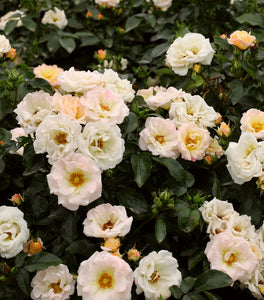
Peace Rose is the definition of a classic. The blooms are large, elegant, and instantly recognizable—soft buttery yellow petals kissed with warm pink edges that look hand-painted. Each flower opens with a refined hybrid tea form, making it feel both romantic and polished in the landscape. If you want one rose that reads as “the real thing,” Peace is the rose most gardeners picture when they imagine a timeless rose bed.
That color blend also makes it incredibly easy to design with. It pairs beautifully with lavender, catmint, salvia, boxwood, and crisp white perennials, and it looks equally at home in a cottage border or a more formal garden. Plant it where you’ll see the blooms up close, because the subtle color shifts are part of the charm—no two flowers look exactly the same as they open and mature.
Long-Stem Hybrid Tea Flowers Made For Cutting And Sharing
Peace is a hybrid tea rose, meaning it produces the classic long-stem blooms perfect for vases and bouquets. A single stem can look like a florist arrangement all by itself. The plant blooms in flushes from late spring into fall, so you’ll have recurring cycles of buds, blooms, and new growth that keep the garden looking active all season long.
If you love cutting roses, Peace makes it easy: the more you cut (or deadhead), the more the plant is encouraged to produce fresh stems. Place it where it’s convenient to harvest—near a path or garden gate—and you’ll use it more often. It’s the kind of rose that turns your yard into your own little flower shop.
A Strong, Upright Rose Bush That Looks Polished In Sunny Beds
Peace Rose typically grows into an upright, bushy shrub around 4–6 feet tall and 3–4 feet wide, depending on climate and care. It’s substantial enough to stand alone as a specimen, but it also looks fantastic in a small grouping where the repeating blooms create a classic rose garden look. Dark green foliage provides a clean backdrop that makes the warm bloom colors pop.
For the best performance, give Peace full sun and enough spacing so air can move through the plant. That combination supports stronger flowering and cleaner leaves. If you’ve had roses that looked sparse or struggled, the fix is often simply better light, better spacing, and a steady first-year watering plan—Peace responds beautifully when those basics are in place.
Better Blooming And Health With Smart Watering, Feeding, And Airflow
Peace Rose rewards consistent care but doesn’t require complicated care. Water deeply at the base, not overhead, and allow a slight dry-down between waterings, so roots grow deeper and stronger. A mulch ring helps keep moisture more even and reduces weeds, but keep mulch off the canes and crown so the base stays dry and airy.
Feed in spring as growth begins and again after the first big bloom flush to keep energy high for repeat flowering. Avoid pushing too much nitrogen, which can create lots of leaves and fewer blooms. With full sun, good drainage, and sensible spacing, Peace becomes a dependable, repeat-blooming centerpiece that looks like you’ve been growing roses forever.
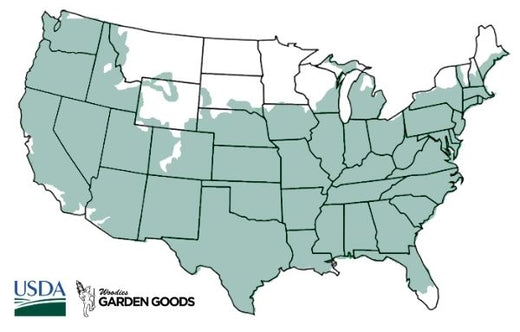
| Hardiness Zone: | 5-9 |
|---|---|
| Mature Height: | 4 to 6 feet |
| Mature width: | 3 to 4 feet |
| Classification: | Hybrid Tea Rose |
| Sunlight: | Full sun |
| Bloom Time / Color: | Late spring through fall; yellow with pink edges |
| Soil | Fertile, well-drained soil; slightly acidic to neutral preferred |
| Wildlife Value | Attracts bees and beneficial pollinators when blooming |
| Resistance | Not reliably deer resistant; better disease performance with sun + airflow; moderate drought tolerance once established |
| Landscape Uses | Cut flower gardens, rose beds, sunny borders, foundation plantings, specimen shrub, classic formal gardens |
| Fragrance | Mild Sweet |
How to Care for Peace Rose
Before you buy a Peace Rose, read the recommended care instructions to keep this plant healthy and thriving.

How should I plant Peace Rose?
Plant Peace Rose in full sun with well-drained soil and good airflow. Dig a hole about twice as wide as the root ball and set the plant so the top of the root ball sits level with the surrounding soil. Backfill with native soil, water deeply to settle, and shape a shallow watering ring to help water soak into the root zone. Add a 2–3-inch mulch layer to conserve moisture and reduce weeds, keeping it a few inches away from the canes. If your soil stays wet, plant slightly high or improve drainage first. A strong start—sun, drainage, and consistent watering—sets Peace up for better blooms and fewer problems.

How often should I water Peace Rose after planting?
Water deeply right after planting, then continue with a deep soak about once per week during the first growing season. In hot weather, sandy soil, or windy locations, increase to twice per week. Deep watering encourages deeper roots, which improves bloom consistency and heat tolerance. After establishment, water during extended dry spells and during heavy bloom cycles when the plant is working hard. Always water at the base rather than overhead to keep foliage drier and healthier. The goal is steady root-zone moisture, not constantly wet soil.

When should I fertilize Peace Rose?
Fertilize in early spring as new growth begins, using a rose fertilizer or a balanced slow-release fertilizer. This supports strong canes and sets the stage for heavy flowering. Water after feeding so nutrients move into the root zone and don’t sit on dry soil. Feed again after the first major bloom flush to encourage repeat flowering through summer. Avoid heavy late-season fertilizing, which can push tender new growth when the plant should be slowing down. Consistent, moderate feeding produces the best flowers.

When and how should I prune Peace Rose?
Prune Peace Rose in late winter or early spring before active growth begins. Remove dead or damaged wood first, then thin crossing branches and weak canes to open the plant for airflow. Make cuts just above outward-facing buds to encourage a balanced, vase-like shape. During the season, deadhead spent blooms to promote rebloom and keep the plant tidy. Avoid harsh pruning during extreme heat. A thoughtful annual prune, plus light in-season cleanup, keep Peace producing the long-stem hybrid tea blooms it’s famous for.