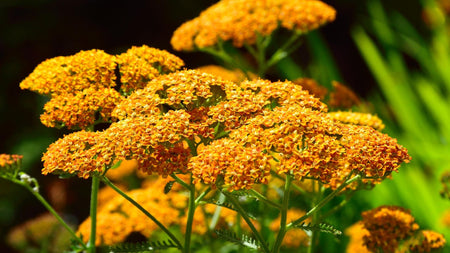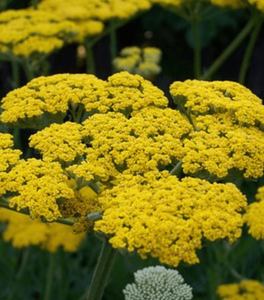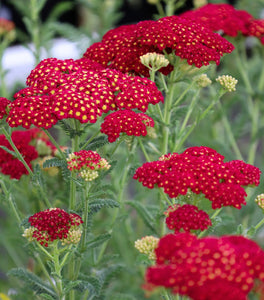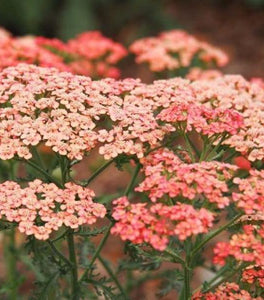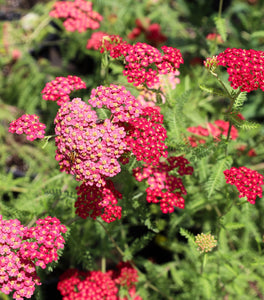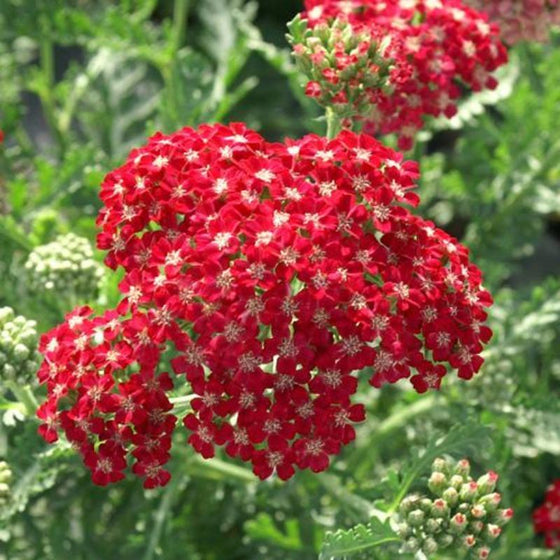


Images Depict Mature Plants
Pomegranate Yarrow
Achillea millefolium Pomegranate
Pomegranate Yarrow is a great choice when you want strong summer color without adding a high-maintenance perennial to the garden. The deep red flowers have real presence in a sunny border, and the plant offers the added benefits gardeners most seek: pollinator appeal, deer resistance, drought tolerance once established, and useful cut flowers. I like it best planted in groups where that rich red color can repeat through the garden and tie together other sun-loving perennials.

20% Off Sitewide Sale!
Use Code 'CLOSEOUT20' At Checkout
📦 Free shipping on orders over $99.
Delay shipping by leaving us a message at Checkout.
Share:Recommended Add-Ons


Rich Red Color for Sunny, Low-Maintenance Gardens
Deep red blooms with summer staying power.
Pomegranate Yarrow brings rich crimson-red flower clusters to the garden, creating a bold color statement in sunny borders, cottage gardens, and pollinator plantings. The flattened flower heads rise above finely cut foliage, giving the plant a classic yarrow look with a deeper, more dramatic flower color.
A compact perennial with a strong garden presence.
This Achillea forms a tidy, upright clump that fits easily into mixed perennial beds, front-to-middle border plantings, and massed drifts. Its flower stems add height and movement without overwhelming nearby plants, making it useful for both informal garden designs and more structured landscape plantings.
A pollinator favorite for sunny spaces.
Pomegranate Yarrow is a strong choice for butterfly gardens, bee-friendly borders, and beneficial insect plantings. The broad, flat flower clusters make excellent landing pads for pollinators, helping bring life and movement to the garden through the warmest months of the year.
Tough, drought-tolerant, and deer-resistant.
Once established, this red yarrow handles heat and dry conditions well, especially in full sun and well-drained soil. The aromatic, fern-like foliage also makes it a perennial deer typically avoid, giving homeowners a colorful option for sunny areas where browsing pressure can be a concern.
Beautiful in the garden and as a Cut Flower.
Pomegranate Yarrow is excellent for fresh-cut flowers and dried floral arrangements. Deadheading spent blooms can encourage a tidier look and help support additional flowering, while the plant’s durable habit makes it a practical choice for low-maintenance perennial gardens.
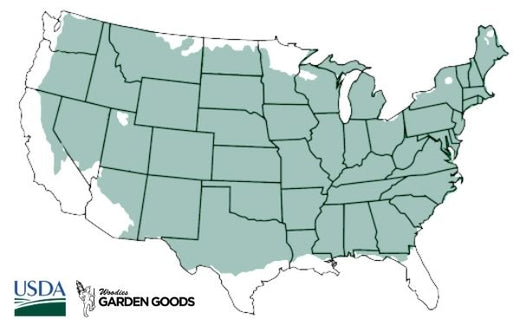
| Hardiness Zone: | 4-8 |
|---|---|
| Mature Height: | 18 to 24 inches |
| Mature Width: | 18 to 24 inches |
| Sunlight: | Full Sun |
| Soil | Well-drained soil; performs well in average, dry, sandy, or lean soils |
| Water | Water regularly after planting; drought tolerant once established |
| Bloom Time / Color | Summer into early fall; deep red to crimson-red flowers, often with lighter centers as blooms age |
| Ornamental Features | Deep red flower clusters, long bloom season, fine-textured foliage, compact upright habit |
| Wildlife Value | Attracts butterflies, bees, and other pollinators |
| Resistance | Deer resistant, drought tolerant once established, heat tolerant, and generally low maintenance |
| Landscape Uses | Pollinator gardens, cottage gardens, sunny borders, mass plantings, cut flower gardens, dried arrangements, dry gardens, slopes, rock gardens, meadow-style plantings |
How to Care for Pomegranate Yarrow
Be sure to read our planting instructions to ensure a healthy and happy Pomegranate Yarrow for years to come!
-v1777381205390.png?92x91)
How should I plant Pomegranate Yarrow?
Plant Pomegranate Yarrow in a full sun location with well-drained soil. Choose a site that receives at least 6 hours of direct sun each day, and avoid low, wet spots where the roots may sit in standing water. Dig a hole about twice as wide as the root ball and place the plant so the crown sits level with the surrounding soil. Backfill, firm the soil gently, water deeply, and space plants about 18 to 24 inches apart to allow for mature growth and good air circulation
-v1777381222675.png?89x84)
How often should I water Pomegranate Yarrow after planting?
Water Pomegranate Yarrow regularly during the first growing season while the root system becomes established. Keep the soil lightly moist after planting, but avoid overwatering because yarrow performs best when drainage is sharp and the soil is not constantly wet. Once established, Pomegranate Yarrow becomes drought tolerant and usually needs less supplemental water than many flowering perennials. During long periods of heat or drought, water deeply as needed to support healthy foliage and continued flowering.
-v1777381237793.png?90x89)
When should I fertilize Pomegranate Yarrow?
Fertilize Pomegranate Yarrow lightly in spring if your soil is very poor, or top-dress with a small amount of compost. This perennial does not need heavy feeding and often performs best in lean to average garden soil. Avoid high-nitrogen fertilizers or overly rich soil, which can encourage weak, floppy growth instead of strong flower stems. A light, balanced approach helps maintain a compact habit, sturdy stems, and dependable bloom performance.

When and how should I prune Pomegranate Yarrow?
Prune Pomegranate Yarrow in early spring by cutting away old, dry stems before new growth begins. This helps clean up the plant, improves appearance, and gives the fresh spring foliage room to emerge. During the bloom season, deadhead spent flowers to keep the plant looking tidy and encourage additional flowering. After the first major flush of blooms, you can cut the plant back by about one-third to one-half to refresh the foliage and promote a neater second round of growth.