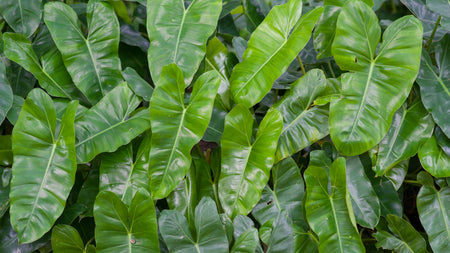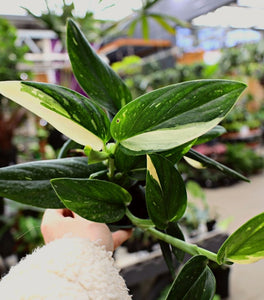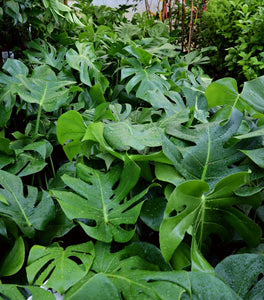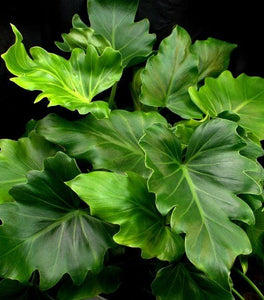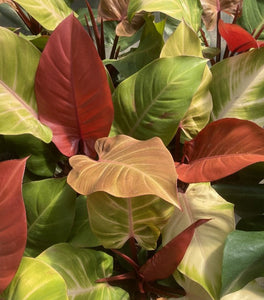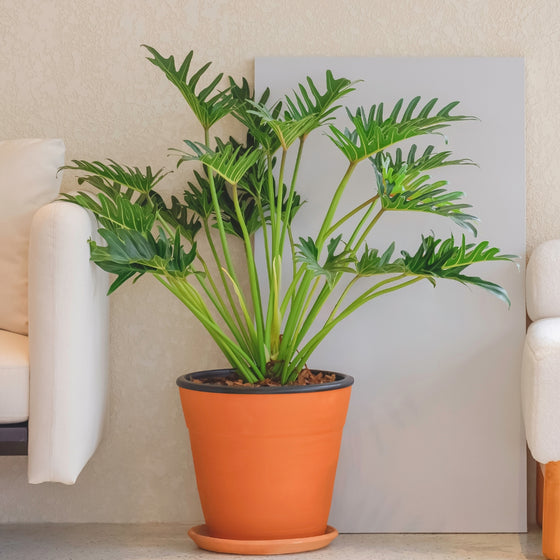
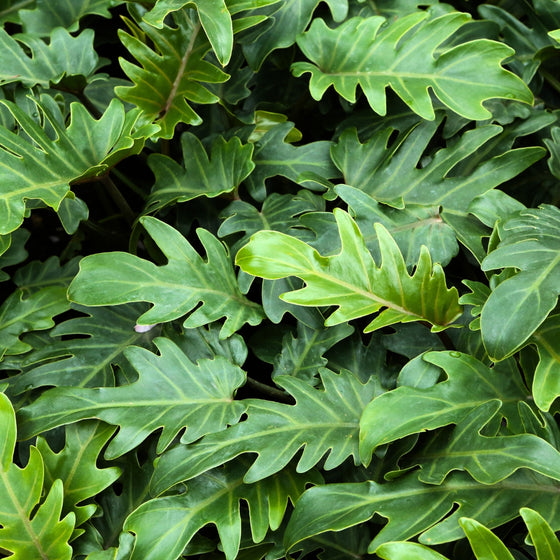


Images Depicted Range in Maturity & Container Size
Pots & Decorations Not Included Unless Otherwise Stated
Philodendron Xanadu
Thaumatophyllum xanadu
I love Philodendron Xanadu because it gives indoor gardeners a lush tropical houseplant look without a complicated care routine in return. The deeply lobed, green foliage feels bold, polished, and full of life, and the clumping habit makes it easier to style than many sprawling indoor plants. If you want an easy-care foliage plant for bright indirect light that can anchor a living room, office, or favorite corner with real presence, this is a houseplant I’d feel great recommending again and again.

15% OFF WITH CODE PLANTING15
Save 15% Off Your Entire Order! Limited time.
📦 Free shipping on orders over $99.
Share:

Lush Philodendron Xanadu for Bold Indoor Tropical Style
Deeply Lobed Foliage That Makes a Room Feel Finished
Philodendron Xanadu is the kind of houseplant that changes a room's visual energy the minute it arrives. Its glossy, deeply cut leaves give it a rich tropical look, but the shape stays neat and controlled rather than sprawling into a vine. That makes it especially appealing for indoor gardeners who want dramatic foliage without the climbing poles, trailing stems, or constant reshaping that some other aroids demand. The leaf form feels architectural, layered, and full, so even a single plant can make a quiet corner look styled and intentional.
As the plant matures, the foliage becomes more textured and more defined, creating a denser, more polished look over time. The leaves are typically medium to deep green with a smooth sheen that catches natural light beautifully, which helps the plant read as fresh and healthy even when paired with simple décor. If you are looking for a leafy houseplant that feels tropical, substantial, and refined all at once, Philodendron Xanadu delivers that effect in a way that feels elevated rather than fussy. It is a strong choice for plant lovers who want visual fullness, long-lasting foliage interest, and an indoor plant that reads as both lush and well-composed.
A Statement Houseplant for Living Rooms, Offices, and Entryways
One of the strongest selling points of Philodendron Xanadu is how easily it works into real interior spaces. Because it grows in a clumping, self-heading form, it naturally builds a rounded, mounded silhouette that looks excellent in decorative floor pots, elevated baskets, or low-profile planters on stands. It has enough presence to anchor a room, but it usually keeps a more organized footprint than many oversized tropical houseplants. That makes it a smart fit for living rooms, home offices, reading corners, bedrooms with strong filtered light, and welcoming entry spaces where a leafy focal point adds warmth and softness.
This is also a useful plant for design-minded homeowners who want foliage that complements many decorating styles. Philodendron Xanadu works beautifully with modern interiors, earthy organic rooms, warm wood tones, contemporary minimalism, and tropical-inspired spaces. Its bold leaf shape contrasts nicely with fine-textured plants, upright snake plants, or softer trailing houseplants, so it layers well into mixed plant groupings. At the same time, it is attractive enough to stand alone as a single-feature plant. If your goal is to make a room feel more alive, grounded, and visually complete, this houseplant brings strong styling value without demanding an overly complicated care setup.
Easy-Care Tropical Growth for Confident Indoor Gardeners
Philodendron Xanadu has earned its popularity because it offers high visual reward without being delicate. It adapts well to typical indoor conditions, prefers a simple watering rhythm, and does not require daily attention to look good. Give it bright indirect light, a well-draining potting mix, and a container with drainage, and it settles in as a dependable foliage plant. It usually performs best when the top layer of soil is allowed to dry slightly between waterings, which helps reduce the risk of soggy roots while still supporting steady growth. That balance makes it approachable for newer plant owners and satisfying for experienced indoor gardeners alike.
It is also a forgiving plant for households that want a tropical style without a high-maintenance routine. Average home humidity is often acceptable, though the plant tends to look fuller and grow more vigorously when humidity is moderate to somewhat elevated. It does not need constant pruning, and routine care mostly comes down to watering thoughtfully, rotating the pot for even growth, and feeding during the active growing season. Because the growth habit is naturally dense and upright-mounded, Philodendron Xanadu keeps a tidy appearance with less intervention than many vining houseplants. For plant lovers looking for a lush indoor plant that feels substantial, grows with character, and fits a realistic care schedule, this is an excellent everyday tropical choice.
A Great Choice for Gifting, Beginner Confidence, and Practical Households
Philodendron Xanadu makes a strong gift plant because it combines visual wow factor with a care profile that feels manageable. It looks generous and impressive right away, so it has the presence people want when sending a plant for a housewarming, birthday, office celebration, or thank-you gift. At the same time, it is not so finicky that the recipient feels intimidated. That balance of beauty and practicality is part of what makes this plant so easy to recommend. It gives plant lovers a lush, tropical look and a confident starting point for building an indoor plant collection.
For households with children or pets, the main practical note is placement. Like other philodendron relatives in the aroid family, Philodendron Xanadu is not considered pet-safe and should be kept out of reach of curious cats, dogs, and young children who may chew foliage. That does not make it off-limits for family spaces, but it does mean placement matters. A plant stand, plant corner, bright office, or well-lit room with controlled access is often the best solution. When positioned thoughtfully, it offers the visual richness of a premium foliage plant while still fitting into everyday life. For beginner plant owners, gift buyers, and anyone seeking a handsome indoor tropical with lasting appeal, Philodendron Xanadu checks a lot of boxes.
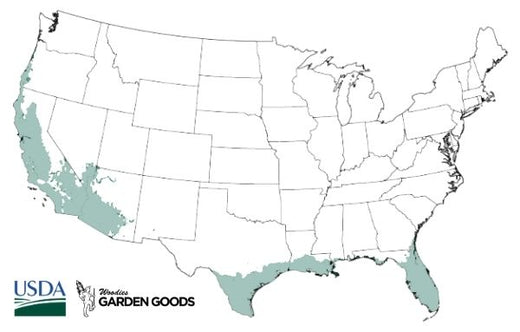
| Hardiness Zone: | 9-11 |
|---|---|
| Mature Height: | Typically 2 to 4 feet tall |
| Mature Width: | 3 to 4 feet wide |
| Sunlight: | Bright indirect light to medium indirect light; avoid harsh direct sun |
| Foliage Color / Texture | Glossy deep green leaves with broad lobes and a lush tropical texture |
| Soil Condition: | Rich, well-draining indoor potting mix or chunky aroid mix with good aeration |
| Water Requirements: | Water when the top 1 to 2 inches of soil feel dry; keep evenly moist but never soggy |
| Humidity | Average household humidity is usually workable; moderate to higher humidity supports fuller growth |
| Pet Safety | Not pet-safe |
| Best Uses Indoors | Floor pot focal point, bright office plant, living room accent, tropical styling, layered houseplant grouping |
How to Care for Philodendron Xanadu
Be sure to read our planting instructions to ensure a healthy and happy Xanadu Philodendron for years to come!

How should I pot Philodendron Xanadu?
Pot Philodendron Xanadu in a container with at least one drainage hole and choose a pot only about 1 to 2 inches wider than the current root ball. Use a loose, well-draining indoor mix, ideally amended with bark, perlite, or another aerating ingredient, so the roots get oxygen and excess water can drain easily. Set the plant at the same depth it was growing before, then firm the soil gently rather than packing it tightly. After potting, water thoroughly until excess drains away, empty any saucer, and place the container in bright indirect light so the plant can re-establish without staying overly wet.

How often should I water Philodendron Xanadu?
Water Philodendron Xanadu when the top 1 to 2 inches of soil feel dry to the touch, rather than on a fixed calendar. In brighter light and active growth, that may mean watering more often, while cooler rooms or lower-light spaces usually slow the drying time. When you do water, soak the root zone evenly until water runs through the drainage hole, then let the excess drain completely. Avoid keeping the soil constantly soggy, because overwatering is far more likely to cause trouble than letting the surface dry slightly between waterings.
-v1773406164965.png?90x89)
When should I fertilize Philodendron Xanadu?
Fertilize Philodendron Xanadu during the active growing season, typically spring through early fall, when the plant is putting on fresh leaves. A balanced liquid houseplant fertilizer diluted to a rate every 4 to 6 weeks usually works well, especially if the plant is growing in bright indirect light. Hold back or reduce feeding during winter when growth naturally slows, and the plant uses fewer nutrients indoors. Too much fertilizer can lead to salt buildup or stressed roots, so steady, moderate feeding is usually better than heavy applications.

When and how should I prune Philodendron Xanadu?
Prune Philodendron Xanadu to remove yellowing, damaged, or aging leaves, and do a more thorough cleanup in spring or early summer if you want the plant looking especially fresh for the growing season. Use clean, sharp pruners and cut individual leaves back at their bases rather than shearing the whole plant. This plant naturally forms a dense, clumping shape, so pruning is usually more about grooming than reshaping. Removing a few tired outer leaves, cleaning up spent foliage, and wiping dust from the healthy leaves often does more for appearance than aggressive cutting ever would.