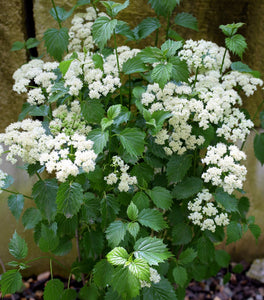
Images Depict Mature Plants
Leatherleaf Viburnum
Viburnum rhytidophyllum
Leatherleaf Viburnum is a great plant when a landscape needs more substance. The oversized textured leaves give it a bold look right away, the spring flowers soften it up beautifully, and the size makes it really useful for privacy and screening. It is one of those shrubs that can do the practical work of a hedge while still bringing enough texture and seasonal interest to feel special.

15% OFF, USE CODE 'MIDSUMMER15'
Does NOT Apply to 'BOGO' Products
📦 Free shipping on orders over $99.
Delay shipping by leaving us a message at Checkout.
Share:

Bold Evergreen Texture for Screens and Borders
A Large Viburnum with Strong Landscape Presence
Leatherleaf Viburnum is a substantial shrub that brings immediate texture and structure to the landscape. Its broad, leathery leaves, upright multi-stemmed habit, and dense branching make it especially useful where homeowners want a plant that can anchor a bed, fill a border, or build a meaningful evergreen screen.
This is not a delicate shrub that disappears into the background. It has a bolder, more architectural feel that helps planting plans look fuller and more established, especially in larger residential landscapes where scale matters.
Oversized Foliage with Distinctive Texture
One of the biggest reasons to plant Leatherleaf Viburnum is the foliage. The long, dark green leaves have a thick, leathery texture and a strongly puckered surface, giving the plant a unique look even when it is not in bloom. The lighter undersides add another layer of interest as the foliage shifts in the wind.
That leaf texture gives the shrub real visual weight throughout the year. It adds depth and contrast to mixed borders and works especially well near finer-textured evergreens, ornamental grasses, or flowering shrubs that benefit from a stronger evergreen backdrop.
Fragrant White Flowers and Seasonal Berry Interest
In late spring, Leatherleaf Viburnum produces large flat clusters of creamy white to white flowers that bring a softer, brighter look to the shrub. The blooms are lightly fragrant and provide an elegant contrast against the dark textured foliage, giving the plant a more decorative side without sacrificing its practical screening value.
After flowering, the fruit begins red and matures to glossy black, extending the ornamental season into fall. That berry progression adds another dimension to the plant, making it feel like more than just a foliage shrub.
Excellent for Privacy Screens, Hedges, and Windbreaks
Leatherleaf Viburnum is especially effective when planted in groups. Its size, density, and broad habit make it a strong option for privacy screens, informal hedges, windbreaks, and background borders where year-round coverage and presence matter more than a tightly clipped look.
Because it offers both foliage mass and seasonal bloom, it gives homeowners more value than a plain green hedge. It can soften a property edge, create separation between outdoor spaces, or serve as a dependable evergreen wall with more texture and personality.
Evergreen Beauty with Practical Toughness
Leatherleaf Viburnum performs best in full sun to partial shade and in well-drained soil with regular moisture during establishment. In warmer parts of its range, it is evergreen, while in colder areas, it often behaves as semi-evergreen. Once established, it becomes more tolerant of dry conditions and is a dependable large shrub for everyday landscape use.
For homeowners who want a viburnum with bolder foliage, fragrant spring flowers, and serious screening value, Leatherleaf Viburnum is an excellent choice. It brings scale, texture, and four-season usefulness to the garden in a way few shrubs can match.
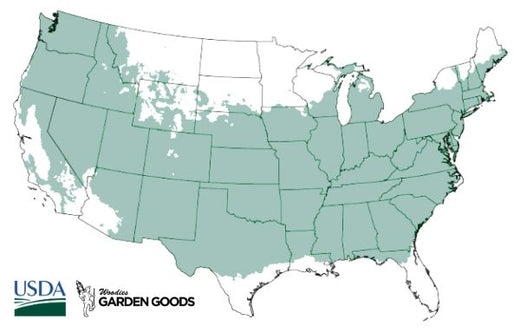
| Hardiness Zone: | 5-8 |
|---|---|
| Mature Height: | 6 to 10 feet |
| Mature Width: | 6 to 8 feet |
| Sunlight: | Full sun to partial shade |
| Soil: | Well-drained soil; prefers average to moist acidic soil |
| Water: | Moderate; water regularly during establishment |
| Foliage: | Dark green |
| Bloom Time / Color: | Late spring; creamy white flower clusters |
| Ornamental Features: | Large leathery dark green foliage, textured leaves, fragrant blooms, red fruit maturing to black |
| Wildlife Value: | Flowers support pollinators; fruit adds wildlife value |
| Resistance (deer/disease/drought/etc.): | Tolerates some drought once established; generally low-maintenance |
| Landscape Uses: | Privacy screen, hedge, windbreak, background border, specimen shrub, evergreen structure |
How to Care for Leatherleaf Viburnum
Be sure to read about the recommended care instructions to keep your Leatherleaf Viburnum happy and Healthy for Many Years
-v1775679539986.png?92x91)
How should I plant Leatherleaf Viburnum?
Plant Leatherleaf Viburnum in a location with full sun to partial shade and well-drained soil. Dig a hole about twice as wide as the root ball and no deeper than the root ball itself, then set the shrub so the top of the root ball is level with the surrounding soil. This helps the roots establish properly and avoids issues caused by planting too deeply. Backfill with native soil, water thoroughly, and apply mulch around the root zone to help retain moisture and reduce weeds. Keep mulch a few inches away from the stems. If planting multiple shrubs for a screen or hedge, allow enough room for their mature width so they can fill in naturally without crowding.
-v1775679565267.png?89x84)
How often should I water Leatherleaf Viburnum after planting?
Water Leatherleaf Viburnum deeply right after planting, then continue watering regularly during the establishment period. In most landscapes, that means a deep soaking once or twice per week depending on heat, rainfall, and soil drainage. The goal is to keep the root zone evenly moist while the shrub develops a strong root system. Once established, Leatherleaf Viburnum can handle short dry periods better, but it still performs best with occasional deep watering during extended drought. Deep watering is better than frequent shallow watering because it encourages stronger roots and more resilient growth.
-v1775679580128.png?90x89)
When should I fertilize Leatherleaf Viburnum?
Fertilize Leatherleaf Viburnum in early spring if needed, especially if growth is weak or the soil is lean. A balanced slow-release fertilizer for shrubs is usually enough, and compost can also help improve soil structure and support steady healthy growth. Avoid overfeeding with rich fertilizers. In many landscapes, proper siting, drainage, and consistent establishment watering are more important than aggressive feeding. The goal is healthy foliage, good bloom production, and steady long-term growth.

When and how should I prune Leatherleaf Viburnum?
Leatherleaf Viburnum usually needs only light pruning to remove dead, damaged, or awkward branches and to shape the plant if needed. Late spring, just after flowering, is often the best time for more noticeable pruning so you do not remove the next season’s flower buds unnecessarily. If used as a screen or large background shrub, selective thinning is usually better than hard shearing. This preserves the plant’s natural texture and layered branching while helping it stay dense and attractive over time.