Images Depict Mature Plants
Chindo Viburnum
Viburnum awabuki 'Chindo'
Chindo Viburnum is one of those shrubs that does a lot of work in the landscape without looking like a utility plant. I like it because it gives you fast-evergreen privacy, but you also get glossy foliage, fragrant flowers, and ornamental berries that make it feel like a real garden shrub rather than just a screen. For homeowners looking for a fast-growing hedge, a strong evergreen backdrop, or a larger shrub with year-round polish, this is a really dependable choice.

Save Up to 25% On Your Order! Limited Time Only!
Discount Applied Automatically At Checkout
📦 Free shipping on orders over $99.
Delay shipping by leaving us a message at Checkout.
Share:

A Fast-Growing Evergreen Viburnum With Fragrant Blooms And Privacy-Screening Power
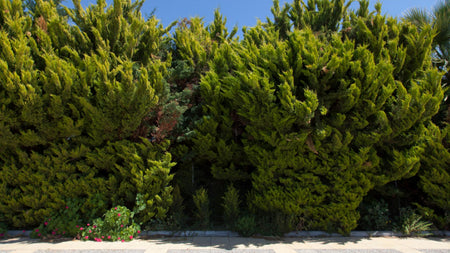
A Dense Evergreen Shrub That Creates Privacy Fast
Chindo Viburnum is one of those shrubs that solves a major landscape problem quickly and attractively. Its fast growth rate, dense branching, and evergreen foliage make it especially useful for privacy hedges, backyard screening, and soft property borders where homeowners want year-round coverage without the stiffness of a formal wall of conifers. It grows with enough substance to create a real visual barrier while still looking lush and ornamental.
That combination of speed and beauty is one of the biggest reasons gardeners choose it. Whether planted in a row for privacy or as a single large focal shrub, Chindo Viburnum adds strong evergreen structure to the landscape in a relatively short time. For homeowners looking for a fast-growing privacy shrub that still feels polished and attractive, this is an excellent choice.
Glossy Evergreen Foliage Keeps The Landscape Looking Full
One of the standout features of Chindo Viburnum is its handsome foliage. The leaves are large, glossy, and dark green, giving the shrub a lush appearance year-round. That rich evergreen color helps the plant hold visual weight in the landscape and makes it especially effective in mixed borders, foundation plantings, and screens where the goal is to keep the garden looking full in every season.
This foliage also gives Chindo more ornamental appeal than many basic screening shrubs. Even when it is not in bloom or berry, it still reads as a high-value plant. For homeowners who want a privacy shrub that contributes strong texture and evergreen beauty in addition to function, Chindo Viburnum delivers.
Fragrant White Flowers And Ornamental Berries Add Seasonal Interest
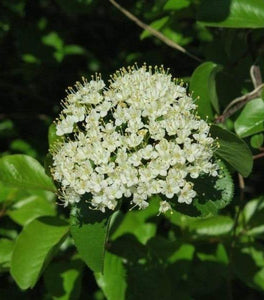
In spring, Chindo Viburnum produces clusters of fragrant white flowers that brighten the shrub and add another layer of appeal beyond its foliage. The bloom display is attractive enough to enjoy up close near patios, walkways, and outdoor living spaces, while still fitting beautifully into larger hedges and screens. The fragrance gives the shrub a more garden-worthy feel than many privacy plants offer.
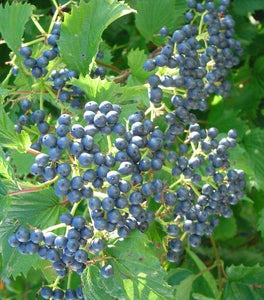
Later in the season, ornamental berries develop, adding another season of interest. These berries also support wildlife, which makes Chindo a useful choice for gardeners who want an evergreen screen that offers ecological value as well as privacy. That progression from flowers to fruit helps the plant feel like a true four-season contributor rather than just a background shrub.
Adaptable, Low Maintenance, And Easy To Grow
Chindo Viburnum grows well in full sun to partial shade and adapts to a range of well-drained soils. Once established, it becomes more drought-tolerant and needs relatively little day-to-day attention beyond occasional deep watering in dry weather, yearly feeding, and light pruning to maintain shape. This makes it especially appealing for busy homeowners who want a strong screening shrub without a high-maintenance routine.
Its versatility is another major advantage. It can be used as a hedge, screen, specimen, or mixed-border anchor depending on the property and design goals. For homeowners looking for an evergreen viburnum with fast growth, fragrant flowers, and dependable year-round structure, Chindo Viburnum is a really strong choice.
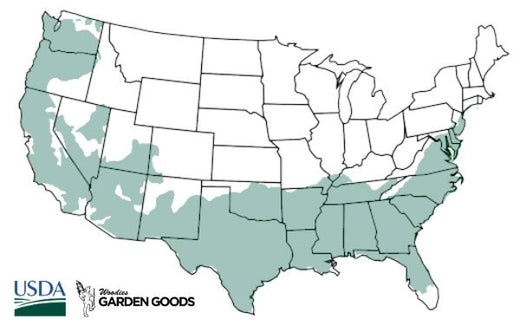
| Hardiness Zone: | 7-9 |
|---|---|
| Mature Height: | 12 to 15 feet |
| Mature Width: | 8 to 10 feet |
| Sunlight: | Full sun to partial shade |
| Bloom Time / Color: | Spring; fragrant white flowers |
| Soil Condition: | Any well drained soil |
| Water Requirements: | Keep consistently moist during establishment; less frequent once mature |
| Wildlife Value: | Ornamental berries support wildlife |
| Resistance (deer/disease/drought/etc.): | More drought tolerant once established |
| Landscape Uses: | Privacy hedge, screen, specimen shrub, mixed border, evergreen backdrop |
How to Care for Chindo Viburnum
Make sure to read about the recommended care instructions to keep Chindo Viburnum healthy and thriving for years to come!

How should I plant a Chindo Viburnum?
Plant Chindo Viburnum in a location with full sun to partial shade and well-drained soil. Dig a hole twice as wide and just as deep as the root ball, set the shrub so the top of the root ball is level with the surrounding soil, then backfill with a mix of native soil and compost if desired. Water deeply after planting and apply a 2- to 3-inch mulch layer around the base, keeping mulch a few inches away from the stems. If you are planting a hedge or privacy screen, space the shrubs about 5 to 8 feet apart. That spacing allows them to fill in well over time while still leaving enough room for healthy growth and airflow. It is a very good option for homeowners who want a dense evergreen screen without waiting too long for coverage.

How often should I water a Chindo Viburnum after planting?
During the first growing season, keep the soil consistently moist so Chindo Viburnum can establish a strong root system. Deep watering once or twice a week is usually a good starting point, especially during warm or dry periods. Watering deeply at the base is better than frequent shallow watering because it encourages better root development. Once established, Chindo becomes more drought-tolerant and usually needs less frequent supplemental water. During prolonged heat or dry weather, deep watering helps maintain the plant’s dense foliage and overall vigor. Checking the top few inches of soil before watering is a good way to avoid both dryness and overwatering.

When should I fertilize a Chindo Viburnum?
Fertilize Chindo Viburnum in early spring just as new growth begins to emerge. A balanced slow-release fertilizer works well and supports healthy foliage, strong roots, and good flowering. One application in spring is usually enough, though an additional mid-summer feeding may help if growth is slow or the shrub appears nutrient deficient. Organic matter such as compost or well-rotted manure can also be used to enrich the soil naturally. Avoid over-fertilizing, since too much nitrogen can encourage excess leafy growth at the expense of flowers and berries.

When and how should I prune a Chindo Viburnum?
Prune Chindo Viburnum in late winter or early spring before new growth begins. Start by removing any dead, damaged, or diseased branches, then lightly shape the plant if needed to maintain its natural upright form. If you are using it as a hedge or screen, light trimming of the outer growth will help encourage denser branching. Avoid cutting too deeply into older wood. Light maintenance pruning through the growing season can also be used to remove wayward growth and keep the shrub looking neat. Regular but moderate pruning usually produces the best long-term shape and density.